





In this blogpost:
Bains froids et croissance musculaire : ce qu'il faut savoir
Le bain froid peut-il affecter la croissance musculaire ? Découvrez comment l'exposition au froid après l'entraînement peut influencer l'adaptation, la récupération, les courbatures et vos objectifs de force.
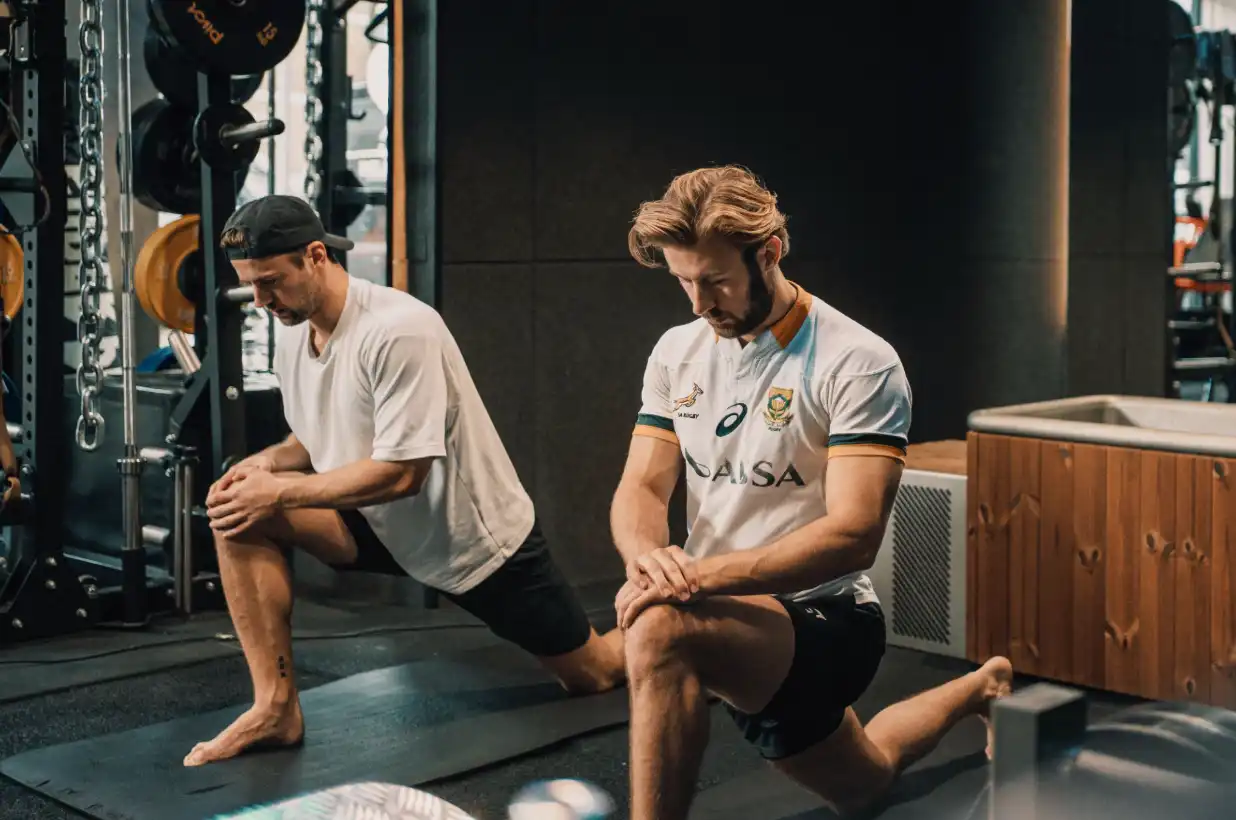
Le bain froid et la croissance musculaire peuvent sembler être une combinaison contradictoire.
Vous vous entraînez dur pour stimuler l'adaptation de vos muscles. Puis, vous plongez dans une eau très froide pour récupérer.
Le froid pourrait-il donc réellement entraver les progrès que vous essayez de réaliser ?
La réponse est potentiellement oui, selon le moment et la manière dont vous l'utilisez.
L'exposition au froid n'est pas systématiquement néfaste pour la croissance musculaire. L'essentiel est de comprendre comment elle s'intègre dans votre routine de musculation.
Votre entraînement ne provoque pas seulement des courbatures
L'entraînement en résistance génère un stress mécanique et métabolique dans vos muscles.
Votre corps réagit en activant des processus de réparation et d'adaptation. Avec le temps, grâce à un entraînement et une récupération appropriés, ces adaptations peuvent contribuer à augmenter votre force et votre masse musculaire.
L'inflammation et d'autres processus de signalisation font partie intégrante de cette réponse.
Cela signifie que « réduire l'inflammation » n'est pas toujours synonyme d'amélioration de l'adaptation.
Parfois, votre corps a besoin que la réponse à l'entraînement se produise.
Quel est le rôle du froid ?
L'exposition au froid modifie plusieurs processus physiologiques après l'exercice.
Le flux sanguin change. La température des tissus chute. Votre système nerveux réagit au froid et la perception des courbatures peut diminuer.
Cela peut vous aider à vous sentir mieux après une séance d'entraînement difficile.
Mais se sentir mieux et mieux s'adapter ne sont pas nécessairement la même chose.
Cette distinction est particulièrement importante pour les athlètes dont l'objectif principal est l'hypertrophie.
Le froid pourrait-il réduire la croissance musculaire ?
La recherche a soulevé des inquiétudes concernant l'immersion fréquente en eau froide immédiatement après un exercice de résistance.
L'exposition répétée au froid après l'entraînement peut atténuer certains signaux cellulaires liés à l'adaptation musculaire.
Cela ne signifie pas qu'un seul bain froid après une séance de musculation annulera vos progrès.
Cela signifie que s'exposer au froid immédiatement après chaque séance de renforcement n'est peut-être pas la stratégie idéale si votre objectif principal est de maximiser la croissance musculaire.
Le contexte est important.
Quand le froid reste pertinent
Il existe de nombreuses situations où la récupération peut devenir plus importante que la maximisation de l'adaptation d'une seule séance d'entraînement.
Imaginez que vous participiez à une compétition sur plusieurs jours.
Ou que vous ayez une autre séance d'entraînement exigeante demain.
Ou encore que votre sport nécessite des efforts fréquents de haute intensité.
Dans ces cas-là, réduire les courbatures et vous aider à être prêt pour la séance suivante peut s'avérer plus précieux que d'optimiser chaque signal individuel de construction musculaire.
Vos priorités déterminent les compromis à faire.
Qu'en est-il de la force ?
L'entraînement en force et l'hypertrophie se recoupent, mais ce ne sont pas des objectifs identiques.
Si vous cherchez à développer une force, une puissance ou des performances maximales, vos besoins en récupération peuvent varier considérablement selon votre programme.
L'exposition au froid peut être utile pour gérer la fatigue lors de compétitions ou de périodes d'entraînement intensives.
Mais elle ne devrait pas devenir systématiquement l'étape finale après chaque séance de musculation.
Comment utiliser le froid sans en abuser ?
Vous n'êtes pas forcément obligé de choisir entre l'entraînement en force et l'exposition au froid.
Une option consiste à séparer votre séance de froid de votre entraînement en résistance lorsque la croissance musculaire est la priorité.
Vous pouvez également réserver l'exposition au froid aux journées particulièrement exigeantes, aux compétitions ou aux périodes où la récupération rapide pour la séance suivante est primordiale.
Cela fait du froid un outil de récupération stratégique plutôt qu'un rituel automatique.
Considérez l'ensemble de votre entraînement
La croissance musculaire dépend de bien plus que ce qui se passe dans l'heure suivant votre séance.
La surcharge progressive, la nutrition, l'apport en protéines, le sommeil, la récupération et la régularité jouent tous un rôle majeur.
L'exposition au froid doit s'articuler autour de ces fondamentaux.
Si vous aimez les bains froids et que vous souhaitez également développer votre masse musculaire, vous n'êtes pas obligé d'y renoncer.
Il vous suffit de réfléchir au moment opportun.
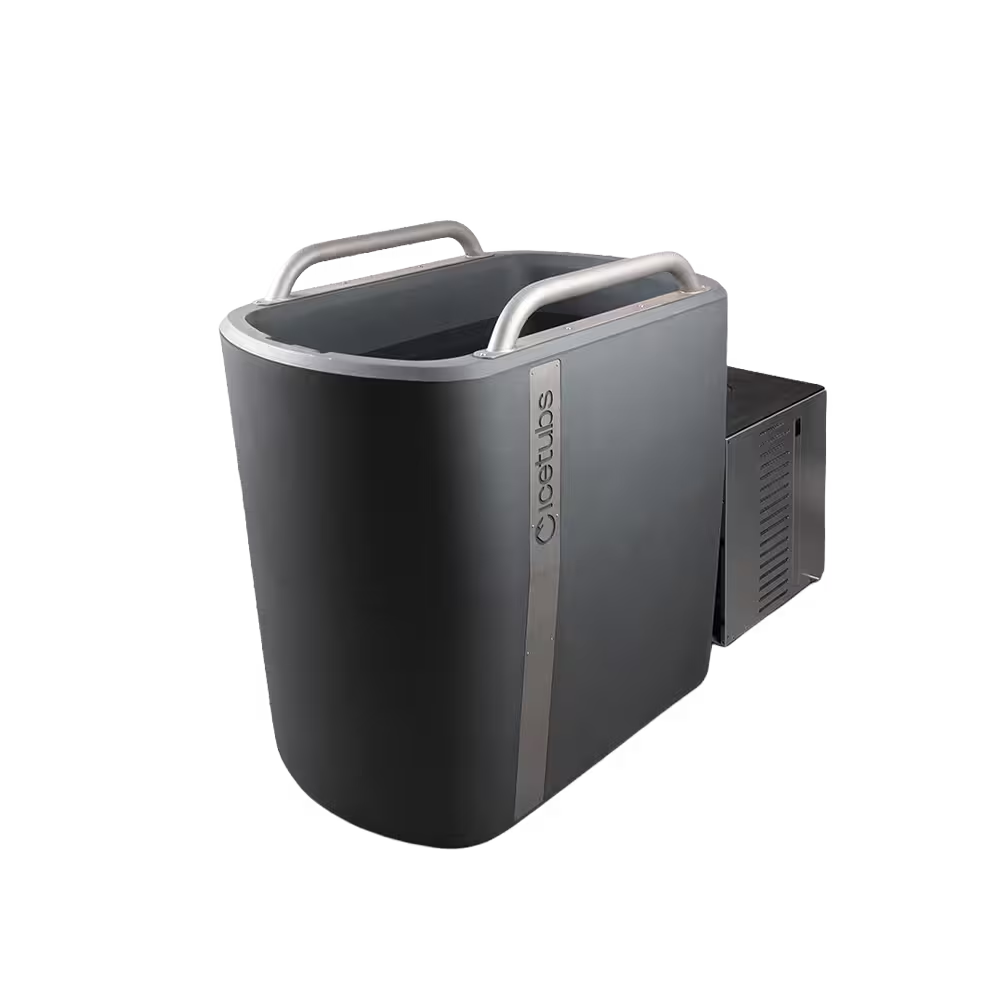
Icetubs vous permet de contrôler la température de l'eau, facilitant ainsi l'intégration de l'exposition au froid dans votre semaine d'entraînement, sans dépendre de la température que votre réserve de glace peut produire.
La réponse pratique
Le bain froid bloque-t-il automatiquement la croissance musculaire ?
Non.
Une exposition fréquente et immédiate au froid après l'entraînement peut-elle influencer les adaptations que vous cherchez à obtenir ?
C'est possible.
C'est pourquoi votre objectif d'entraînement doit rester la priorité.
Si la prise de masse musculaire est votre priorité, évitez de considérer le bain froid comme une étape systématique après chaque séance de musculation. Si la récupération rapide entre des efforts intenses est plus importante, le froid peut jouer un rôle plus utile.
Pour comprendre comment utiliser l'exposition au froid de manière plus stratégique en fonction de vos objectifs, poursuivez avec Bain froid et récupération sportive : comment l'utiliser efficacement