





In this blogpost:
L'adaptation au froid expliquée : comment votre corps apprend à gérer le froid
Découvrez comment votre corps s'adapte à une exposition répétée au froid, de la respiration et du choc thermique à la thermorégulation, la circulation, la graisse brune et la tolérance au froid.
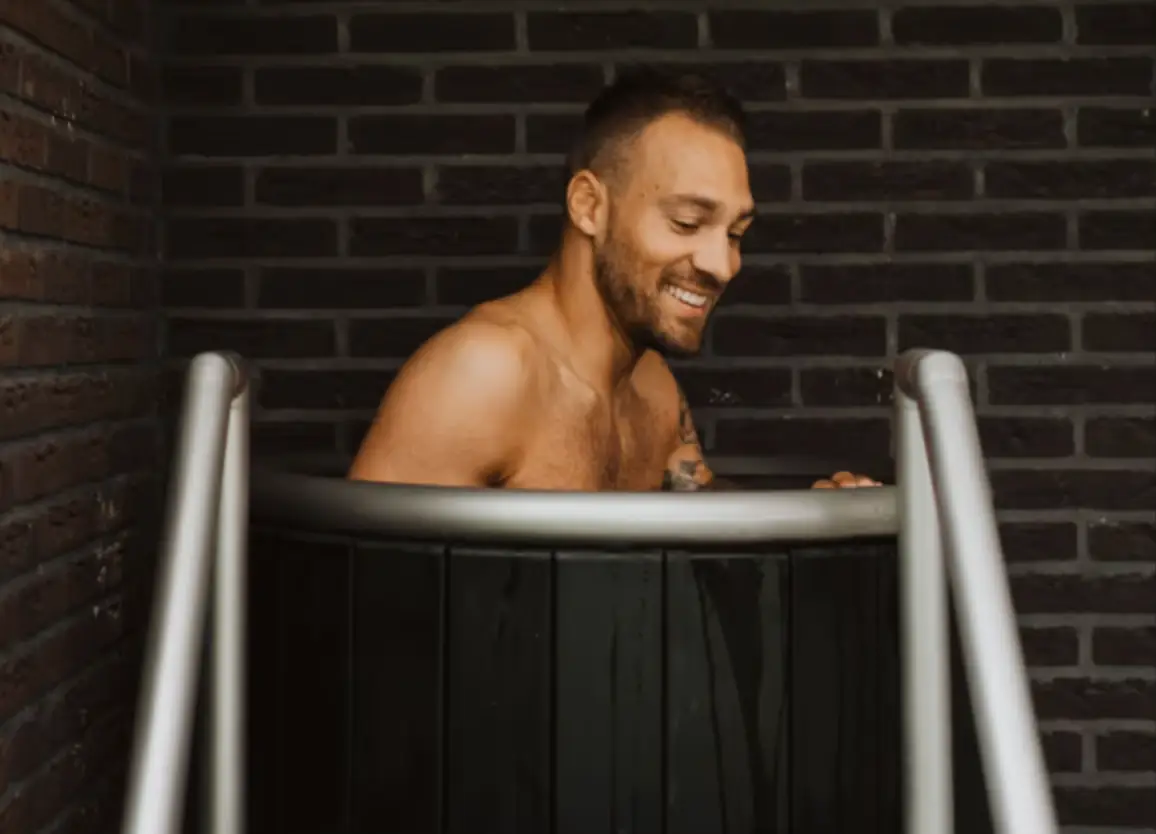
Votre premier bain froid peut sembler radicalement différent de votre vingtième.
Le choc initial peut être intense. Votre respiration peut s'accélérer, vos muscles se contracter et votre corps peut vouloir sortir immédiatement.
Puis, avec une exposition répétée, quelque chose change.
L'eau peut toujours sembler froide, mais votre réaction devient plus gérable.
Ce processus est connu sous le nom d'adaptation au froid, et c'est l'un des aspects les plus fascinants de l'exposition répétée au froid.
Votre première réaction est protectrice
Lorsque vous entrez dans l'eau froide, votre corps réagit immédiatement.
Les récepteurs du froid situés dans votre peau envoient des signaux au système nerveux. Les vaisseaux sanguins se contractent, la respiration s'accélère et l'activité du système nerveux sympathique augmente.
Cela fait partie de la réponse au choc thermique.
Pour quelqu'un qui débute dans l'exposition au froid, ces premiers instants peuvent sembler déstabilisants.
Cependant, avec une exposition répétée et contrôlée, la réaction initiale peut s'atténuer.
Votre respiration peut devenir plus facile
La respiration est souvent l'un des plus grands défis au début.
Le froid soudain peut déclencher un halètement involontaire et une respiration rapide.
Apprendre à reprendre le contrôle est une étape importante pour se sentir plus à l'aise dans l'eau.
Avec le temps, une exposition répétée permet de mieux gérer cette réaction initiale.
Cela ne signifie pas que le froid n'a plus d'effet sur vous.
Votre corps s'est simplement habitué au stimulus.
Votre corps s'adapte au froid
L'adaptation au froid n'est pas seulement psychologique.
Votre corps peut modifier sa gestion de la chaleur.
La circulation sanguine, la thermorégulation, la production de chaleur et les réponses métaboliques peuvent toutes s'adapter grâce à une exposition répétée.
La graisse brune peut également devenir plus active, contribuant à la capacité du corps à générer de la chaleur sans frissonner.
Ces changements expliquent pourquoi une personne pratiquant régulièrement l'exposition au froid peut ressentir la même température différemment quelques semaines plus tard.
S'adapter ne signifie pas être immunisé
C'est un point important.
S'habituer au froid ne vous rend pas immunisé contre ses effets.
Même si le choc initial devient plus facile à supporter, une eau suffisamment froide peut toujours exercer un stress important sur votre organisme.
L'adaptation au froid doit donc rendre une exposition contrôlée plus gérable, et non vous encourager à rechercher des températures toujours plus extrêmes.
L'expérience ne vous rend pas invincible.
Il n'est pas nécessaire de baisser la température indéfiniment
Il peut être tentant de considérer l'adaptation comme un défi.
Si une température devient confortable, vous pourriez penser que l'étape suivante doit obligatoirement être plus froide.
Pas nécessairement.
L'objectif de l'adaptation est de gagner en confort face à un stimulus gérable.
Ce n'est pas une compétition pour voir jusqu'où vous pouvez faire descendre la température.
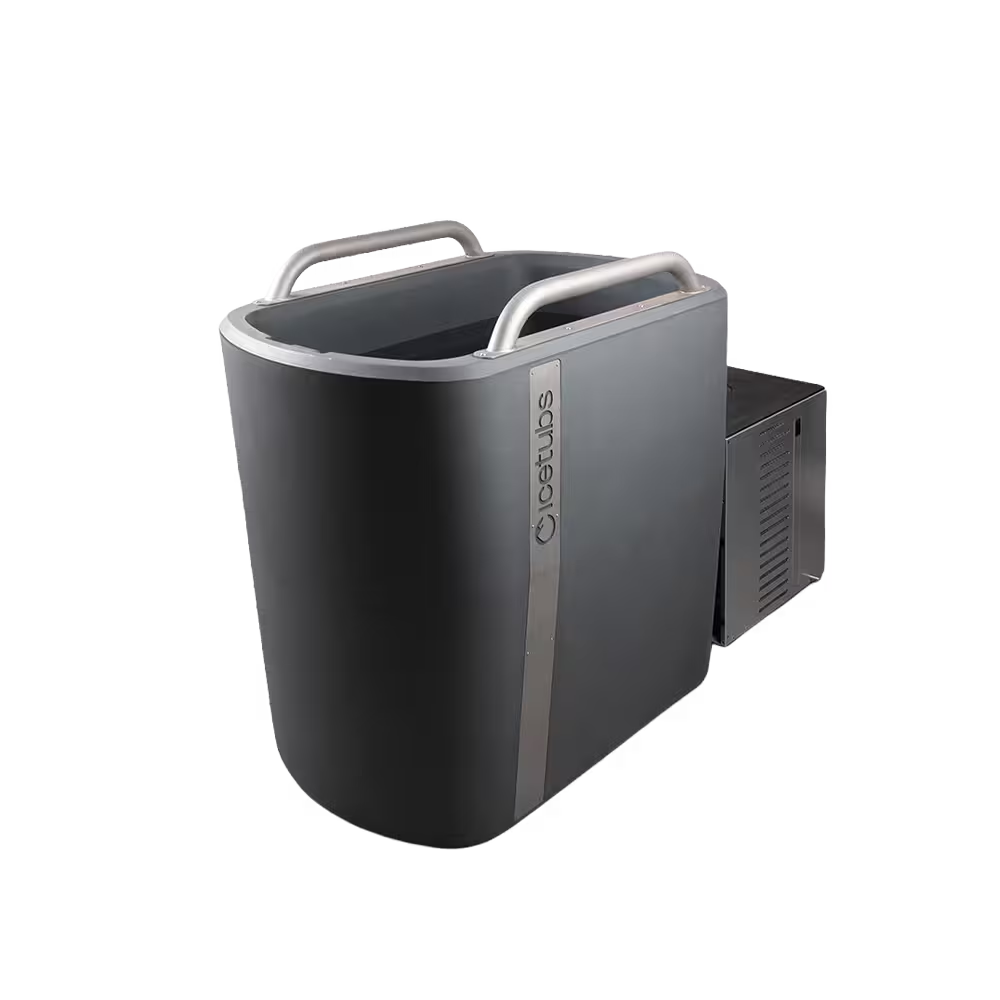
Icetubs vous offre un contrôle précis de la température, vous permettant de maintenir une exposition au froid constante tout en apprenant à connaître les réactions de votre corps.
La régularité l'emporte sur les extrêmes
L'adaptation se développe par une exposition répétée.
Cela ne signifie pas nécessairement que vous devez vous immerger chaque jour ou utiliser une eau extrêmement froide.
Une routine durable offre à votre corps des occasions répétées de rencontrer le stimulus tout en vous laissant suffisamment de temps pour récupérer.
Maintenir une température, une durée et une fréquence relativement constantes peut également vous aider à mieux observer l'évolution de vos réactions.
Combien de temps faut-il pour s'adapter au froid ?
Il n'existe pas de calendrier universel.
Certains changements dans la réponse au choc thermique peuvent survenir relativement rapidement grâce à une exposition répétée. D'autres adaptations peuvent prendre plus de temps.
Votre expérience préalable du froid, votre composition corporelle, votre condition physique, votre environnement, la température et la fréquence d'exposition peuvent tous influencer ce processus.
C'est pourquoi comparer vos progrès avec ceux de quelqu'un d'autre n'est pas particulièrement utile.
Votre corps a son propre point de départ.
Le véritable objectif de l'adaptation
L'adaptation au froid ne consiste pas à devenir quelqu'un capable de supporter l'eau la plus glacée.
Il s'agit de modifier la manière dont votre corps réagit à un défi thermique contrôlé.
Les premières séances peuvent sembler intenses.
Avec de la pratique, votre respiration peut s'apaiser, le choc initial devient plus facile à gérer et l'expérience devient plus prévisible.
C'est là toute la valeur de l'adaptation : vous ne supprimez pas le stimulus. Vous apprenez à le maîtriser.
Pour mettre l'adaptation au froid en perspective avec le reste de la réponse du corps à la température, découvrez La science de l'exposition au froid : comment elle affecte votre corps