





In this blogpost:
Outdoor Cold Plunge: How to Plan the Right Setup
Learn how to plan an outdoor cold plunge, from location and drainage to weather protection, maintenance, privacy, and choosing the right setup for your space.
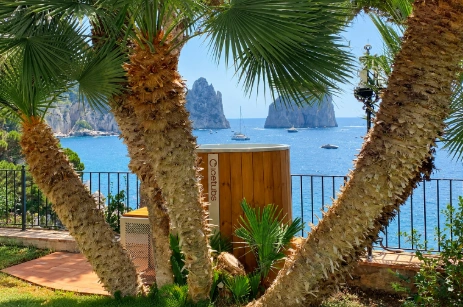
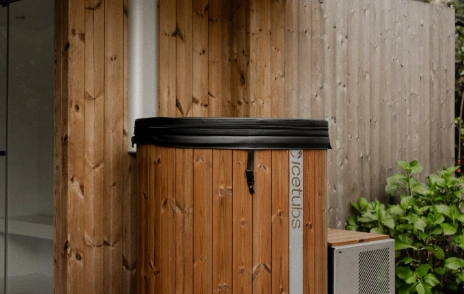
An outdoor cold plunge can turn a garden, patio, terrace, or dedicated wellness area into a practical part of your daily routine.
You get fresh air around the plunge, more freedom with placement, and a natural transition between cold exposure and the rest of your day.
But a good outdoor setup involves more than finding an empty corner. The location, surface, drainage, weather exposure, privacy, and maintenance access all deserve attention before installation.
Choose a Practical Location
Start with convenience.
If the plunge is easy to reach from your home, you are more likely to use it consistently. Think about the route you will take after waking up, after training, or in the evening.
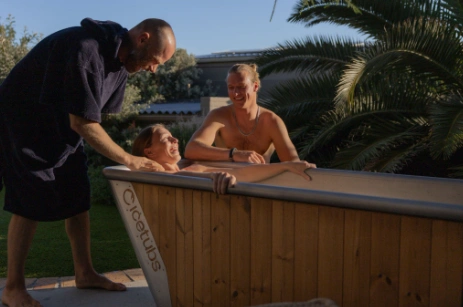
Privacy matters too. A garden corner, screened patio, or area surrounded by landscaping can make the experience more comfortable.
Also consider installation and servicing. The equipment should remain accessible rather than being hidden behind permanent structures.
Give the Tub a Stable Base
An outdoor cold plunge needs a firm, level surface.
A suitable concrete patio, properly prepared platform, or stable outdoor surface can provide the support required.
Avoid uneven or unstable ground where the tub could shift or settle.
The surrounding surface matters as well. You will regularly enter and exit the water, so choose a surface that remains practical when wet. A non-slip finish can make the area more comfortable to use.
Plan Drainage First
Water will eventually leave the tub.
You may drain it for cleaning or maintenance, while normal use will also create some splashing.
Plan where the water will go before installation.
Poor drainage can leave standing water around the plunge, damage nearby landscaping, or create slippery conditions.
Protect the Setup From Weather
Outdoor equipment has to deal with rain, wind, sunlight, leaves, dust, and changing temperatures.
A sheltered position can reduce exposure without requiring a fully enclosed structure.
A pergola, roof, shade structure, or screen can provide useful protection while keeping the plunge outdoors.
Think About Sun Exposure
Direct sunlight can increase heat around the plunge and make temperature management more demanding.
Shade can therefore improve both comfort and practicality.
If possible, consider how the sun moves across the area during the day rather than judging the location at one particular time.
Keep Maintenance Accessible
Do not design the outdoor area so tightly around the plunge that maintenance becomes difficult.
Leave enough space to inspect connections, clean around the tub, access equipment, and carry out servicing.
If you plan to add decking, screening, or landscaping, think about access before those elements are installed.
Make the Area Comfortable
The plunge itself is only part of the experience.
Keep towels, robes, and footwear nearby. A small bench can give you somewhere to sit before or after a session.
Lighting can also be useful if you plunge early in the morning or after dark.
You do not need an elaborate wellness area. A few practical details can make the routine much easier.
Where Does Icetubs Fit?
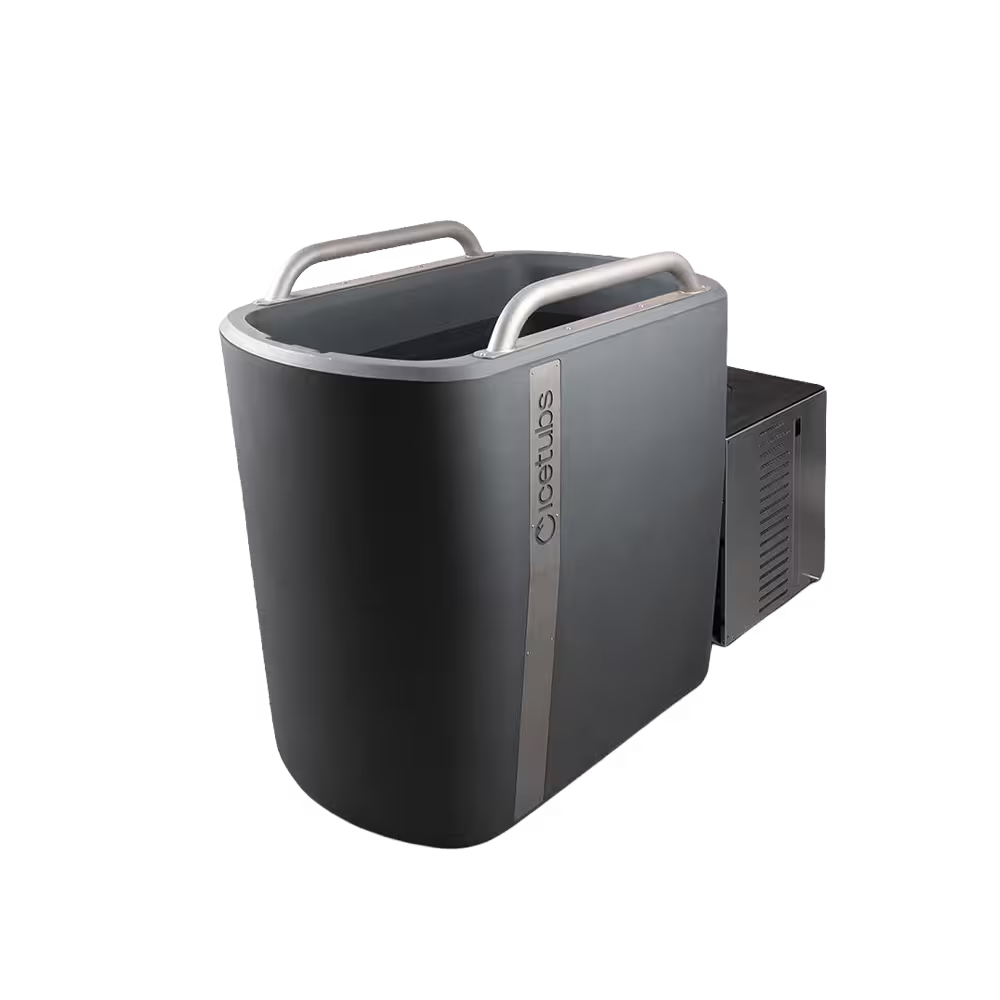
The Icetubs Engine is built for this kind of setup.
It runs active cooling, filtration, and ozone-supported water care from one connected unit, so you are not planning your outdoor space around ice deliveries or manual water changes.
App and display controls let you check and adjust the temperature without walking outside first.
You should still follow the operating and maintenance guidance for your specific climate and installation.
Plan for Every Season
An outdoor plunge should work beyond perfect weather.
Rain, winter temperatures, hot summers, falling leaves, and strong sunlight can all affect how you use and maintain it.
Think about these conditions before installation.
A little planning can prevent your plunge from becoming something you only use for part of the year.
Build Around Your Routine
The best outdoor cold plunge is not necessarily the most elaborate.
It is the one that fits naturally into your life.
Choose a convenient location, create a stable base, plan drainage, protect the equipment, and make the surrounding area comfortable.
Once those details are right, stepping into the cold becomes the simple part.
For practical advice on keeping an outdoor setup ready through colder weather, continue with Cold Plunge in Winter: How to Keep Your Outdoor Setup Ready