





In this blogpost:
Inmersión en agua fría para hombres: recuperación, estrés y la cuestión de la testosterona
Descubre la inmersión en agua fría para hombres, desde la recuperación y el control del estrés hasta las afirmaciones sobre la testosterona, el momento ideal para el entrenamiento de fuerza, el progreso seguro y consejos para tu rutina diaria.
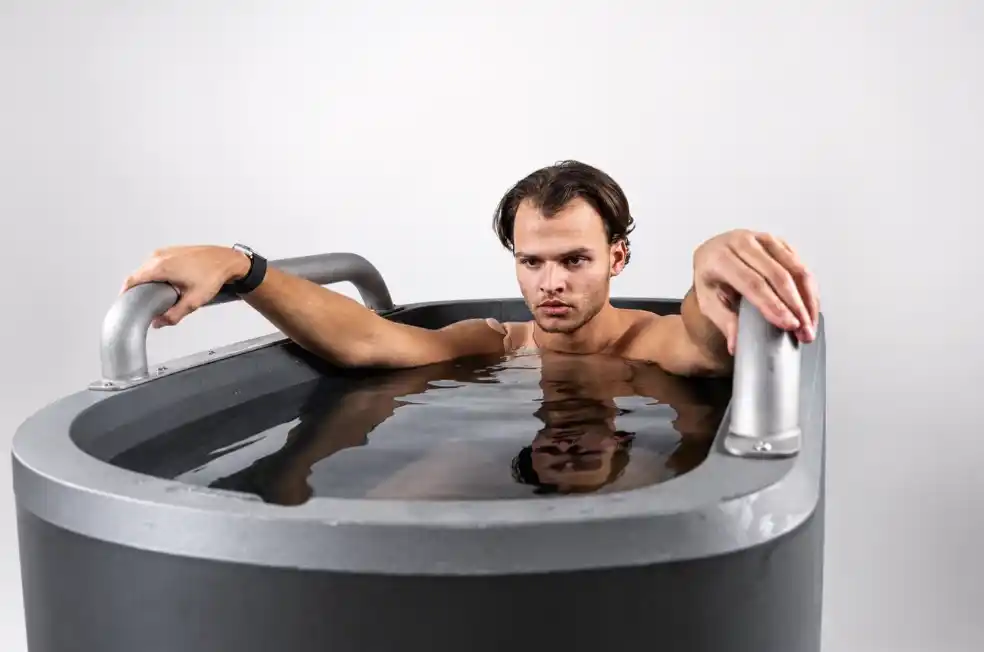
A menudo, la inmersión en agua fría se presenta a los hombres como una herramienta de rendimiento.
Más disciplina.
Mejor recuperación.
Mentalidad más fuerte.
A veces, incluso niveles más altos de testosterona.
La realidad es más sencilla.
El agua fría puede complementar la rutina de bienestar masculina, especialmente cuando ayuda a recuperarse, desconectar y fomentar la constancia. Sin embargo, no debe considerarse un atajo para mejorar las hormonas, la fuerza o la salud.
La mejor rutina no es la más extrema.
Es aquella a la que puedes volver con control.
La recuperación es el punto de partida más claro
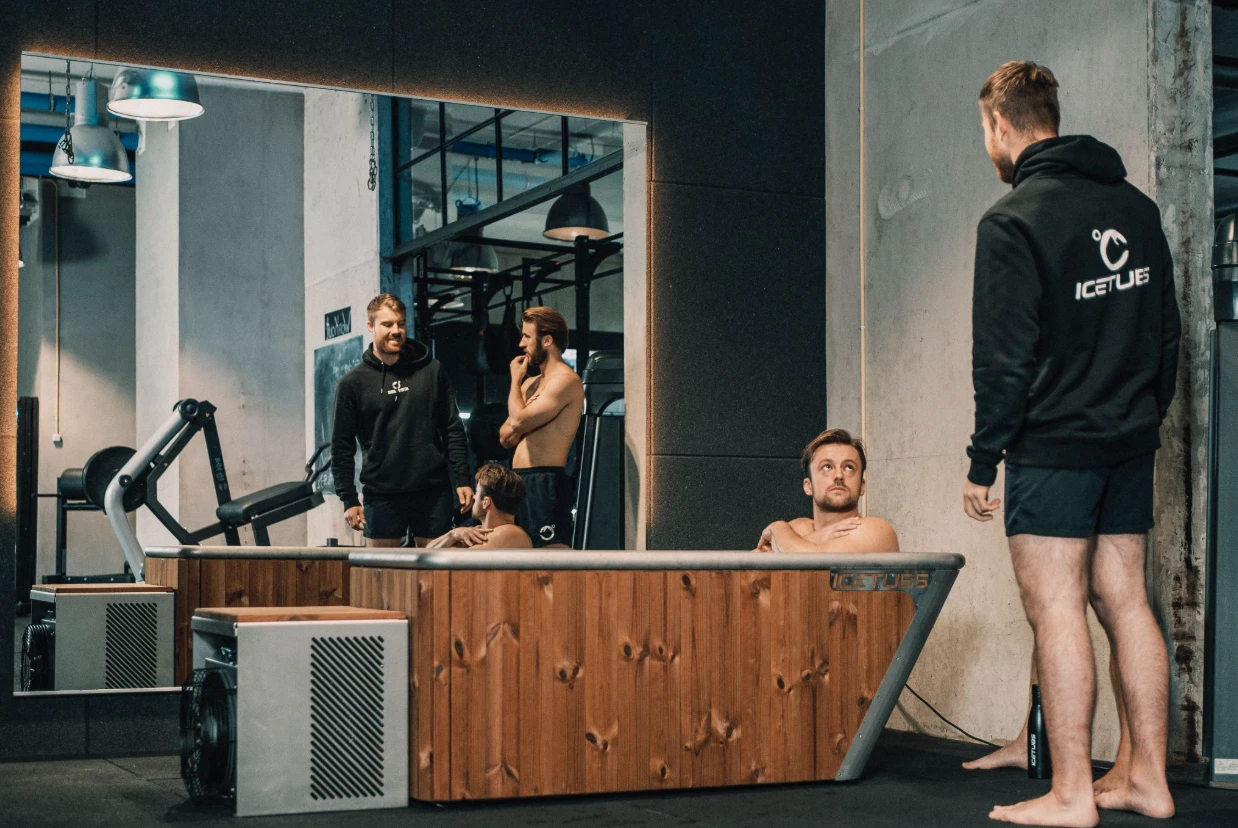
Para muchos hombres, la inmersión en agua fría comienza después de entrenar.
Las carreras intensas, el levantamiento de pesas, los deportes de equipo y las largas jornadas laborales pueden dejar el cuerpo agotado. El agua fría puede ayudar a crear un momento de recuperación claro tras el esfuerzo.
También puede darle a tu rutina un cierre contundente: entrenaste, hiciste el enfriamiento, te sumergiste en el agua fría y permitiste que tu cuerpo pasara del estrés a la recuperación.
Pero el agua fría es solo una parte de la recuperación.
El sueño, la nutrición, la hidratación, la movilidad y un entrenamiento inteligente siguen siendo más importantes que cualquier inmersión aislada.
Ten cuidado con el momento en que realizas el entrenamiento de fuerza
Si levantas pesas, el momento de la inmersión merece atención.
La inmersión en agua fría puede ayudar con las agujetas, pero usarla inmediatamente después de un entrenamiento de resistencia intenso con demasiada frecuencia puede no ser lo ideal si tu objetivo principal es el crecimiento muscular.
Eso no significa que debas evitar por completo los baños de agua fría.
Esto significa que debes elegir bien el momento.
Puedes usarlo después de acondicionamiento, en días de descanso, tras sesiones de resistencia o varias horas después de tus entrenamientos de fuerza más intensos. La recuperación debe favorecer la adaptación, no interferir con el objetivo de tu entrenamiento.
¿Qué pasa con la testosterona?
En internet se suele relacionar la exposición al frío con la testosterona, pero esta afirmación requiere matices.
La testosterona se ve afectada por muchos factores: el sueño, el estrés, el entrenamiento, la composición corporal, la nutrición, el alcohol, la edad y la salud general. Un baño de agua fría por sí solo no debe considerarse un potenciador garantizado de testosterona.
Icetubs aborda la cuestión de la testosterona desde una perspectiva más amplia que incluye la exposición al frío, la recuperación y la inmersión de cuerpo completo, pero la conclusión más práctica sigue siendo sencilla: utiliza el agua fría como parte de una rutina saludable, no como un atajo hormonal.
Si esta práctica te ayuda a dormir mejor, a recuperarte con mayor constancia, a gestionar el estrés y a mantener la disciplina, puede contribuir a un estilo de vida que favorezca la salud hormonal.
El control del estrés también es importante
Muchos hombres llegan a los baños de agua fría a través del fitness.
Pero el aspecto mental puede llegar a ser igual de útil.
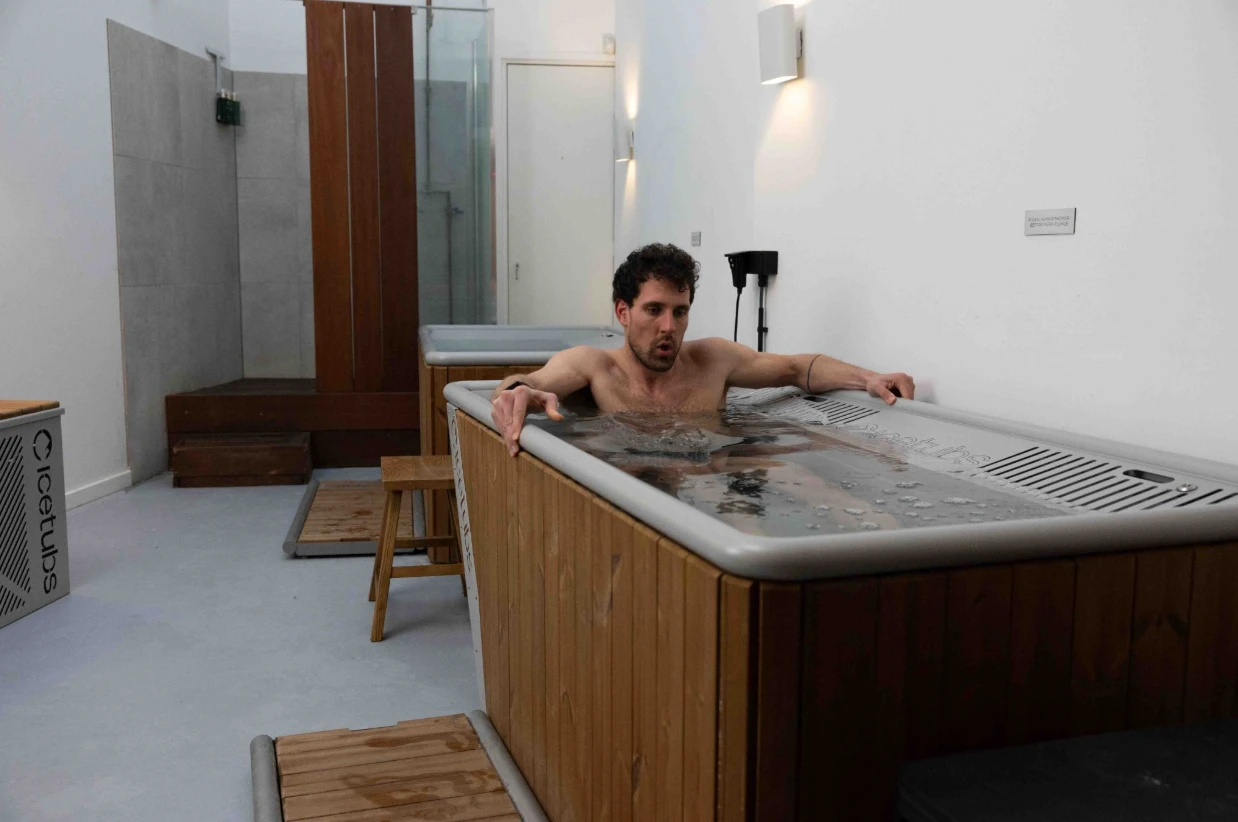
El agua fría te enfrenta directamente a la incomodidad. Tu primera reacción puede ser tensarte o salirte. Luego respiras. Te mantienes presente. Recuperas el control.
Ese patrón puede trasladarse al resto del día.
Te enseña a hacer una pausa antes de reaccionar.
Evita convertirlo en una competición
La inmersión en agua fría puede convertirse fácilmente en otra métrica de rendimiento.
Más tiempo. Más frío. Más intenso.
Pero no hace falta conquistar el agua. Hay que saber aprovecharla.
Empieza con una temperatura manejable. Mantén las primeras sesiones cortas. Sal del agua si tu respiración no se calma o si sientes mareo, entumecimiento o inseguridad.
Una rutina sólida debería hacerte más consciente, no menos.
Construye en torno a una visión global
La inmersión en agua fría puede favorecer la recuperación, la disciplina, la regulación del estrés y el ritmo de entrenamiento.
Pero es solo una herramienta más.
Úsala junto con el entrenamiento de fuerza, la movilidad, el descanso real, una buena alimentación y las horas de sueño necesarias. Ahí es donde la práctica cobra verdadero sentido.
Para comparar esto con las rutinas para mujeres, personas mayores, corredores y principiantes, visita Inmersión en agua fría para todos: quiénes se benefician y cómo.