





In this blogpost:
Comment garder l'eau d'un bain froid propre sans refroidisseur
Gardez l'eau de votre bain froid propre sans refroidisseur grâce à des habitudes simples de couverture, de filtration, de nettoyage, de vidange et d'entretien.
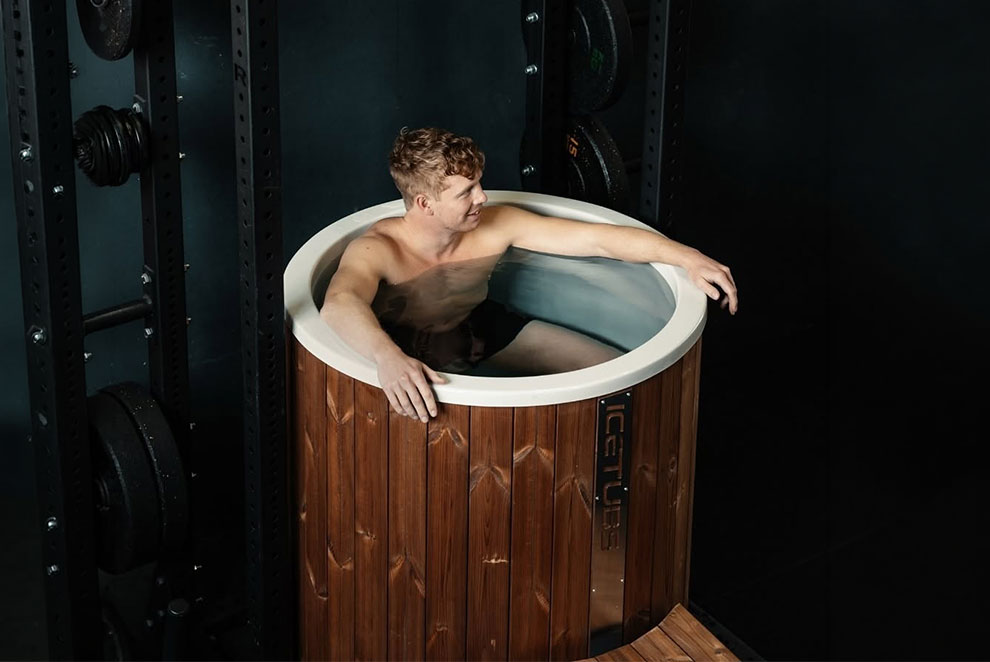
Il est possible de garder l'eau d'un bain froid propre sans refroidisseur, mais cela demande généralement plus d'entretien manuel. Un refroidisseur facilite le contrôle de la température et favorise souvent la circulation, mais la propreté de l'eau dépend toujours de la façon dont vous utilisez, couvrez, nettoyez et renouvelez l'eau de votre bassin.
Si votre installation est simple, comme une baignoire, un bac portable ou un bain de glace fait maison, vous devez accorder une attention particulière à la qualité de l'eau. Sans circulation ni filtration, les débris et les résidus peuvent s'accumuler plus rapidement.
L'objectif est de maintenir une routine pratique sans laisser l'eau stagner trop longtemps.
Adoptez de meilleures habitudes d'utilisation
Le moyen le plus simple de protéger l'eau de votre bain froid est d'empêcher la saleté d'y pénétrer. Chaque séance laisse des traces dans l'eau, même si vous vous sentez propre.
Avant d'entrer, rincez votre corps et vos pieds. Évitez les lotions, les crèmes solaires, les huiles et les produits de soin épais avant de vous immerger. Ils peuvent laisser des résidus à la surface de l'eau et sur les parois du bassin.
Quelques habitudes simples peuvent vous aider :
- Rincez-vous avant chaque séance
- Portez un maillot de bain propre
- Évitez d'entrer avec les pieds sales
- Ne mettez pas de produits capillaires dans l'eau
- N'utilisez pas le bain si vous êtes malade
Une utilisation propre garantit une eau plus propre par la suite.
Couvrez le bain lorsqu'il n'est pas utilisé
Si votre bain froid est installé à l'extérieur ou dans un espace semi-ouvert, il est important de le couvrir. Les feuilles, le pollen, la poussière, les insectes et la pluie peuvent rapidement altérer la qualité de l'eau.
Une bâche adaptée permet de limiter les débris et de ralentir la contamination entre deux séances. Elle permet également de garder l'espace plus propre et rend votre prochaine immersion plus agréable.
Même en intérieur, couvrir le bain aide à empêcher la poussière et les particules en suspension de se déposer dans l'eau.
Retirez rapidement les débris
En l'absence de refroidisseur ou de système de circulation, les débris ne passent pas par un filtre. Vous devez donc les retirer manuellement.
Utilisez une petite épuisette, une écumoire propre ou un chiffon pour retirer les particules visibles. Vérifiez les coins et la ligne d'eau où les résidus peuvent s'accumuler.
N'attendez pas que l'eau semble sale. Les petits débris sont plus faciles à gérer s'ils sont retirés rapidement.
Changez l'eau plus fréquemment
Un bain froid sans refroidisseur nécessite généralement des changements d'eau plus fréquents, surtout s'il n'est pas équipé de filtre. Plus vous l'utilisez, plus l'eau doit être renouvelée rapidement.
Changez l'eau si elle devient trouble, dégage une odeur inhabituelle, semble glissante ou accumule des résidus qui ne disparaissent pas après un nettoyage en surface.
Si plusieurs personnes utilisent le bain, ou s'il est placé à l'extérieur, vous devrez peut-être le vidanger et le remplir plus souvent.
Ajoutez une filtration simple si possible
Même sans refroidisseur, certaines installations permettent d'utiliser une option de filtration basique. Cela peut aider à éliminer les petites particules et à espacer les changements d'eau.
Cependant, un filtre basique ne suffit pas à tout faire. Vous devrez toujours nettoyer le bain, surveiller l'eau et la renouveler si nécessaire.
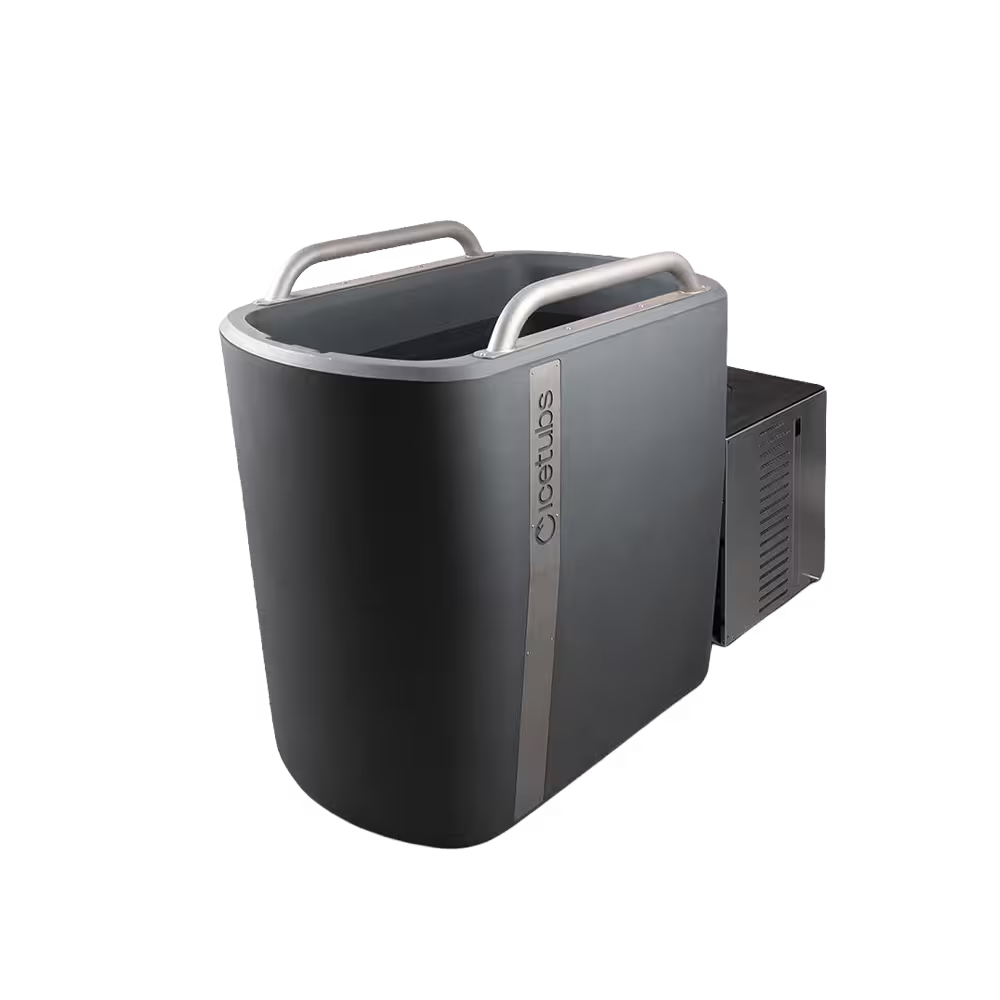
La principale différence avec un système conçu à cet effet est que le refroidissement, la circulation, la filtration et l'entretien de l'eau fonctionnent de concert. Par exemple, Icetubs associe un contrôle de la température sans glace à une filtration et un nettoyage à l'ozone, ce qui réduit les efforts manuels.
Facilitez l'entretien manuel de l'eau
Il est possible de garder l'eau d'un bain froid propre sans refroidisseur, mais cela demande de la régularité. Rincez-vous avant l'utilisation, couvrez le bain, retirez les débris rapidement, nettoyez la surface et changez l'eau dès qu'elle ne semble plus fraîche.
Une installation simple peut suffire pour un usage occasionnel. Si vous souhaitez pratiquer l'immersion en eau froide régulièrement avec moins de contraintes d'entretien, il peut être intéressant de comparer votre équipement avec un système dédié.
Pour une vue d'ensemble sur l'entretien, Comment entretenir un bain froid : le guide complet détaille les bonnes pratiques pour une eau plus propre.