






In this blogpost:
Exposición al frío: qué sucede en tu cuerpo
Descubre cómo la exposición al frío afecta al metabolismo, la circulación, las hormonas, el sistema nervioso, la inflamación y la adaptación, analizando la ciencia detrás de ello.

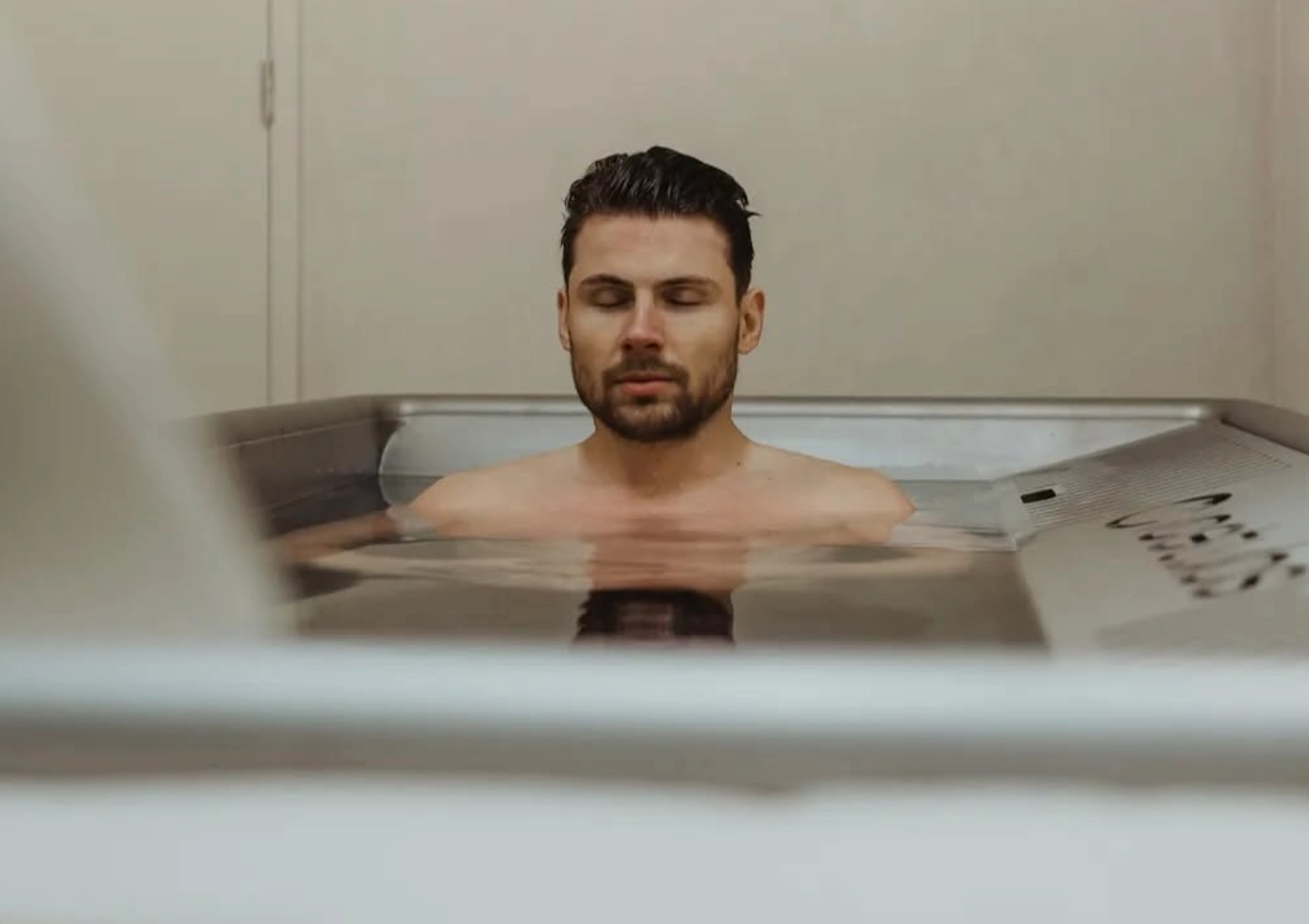
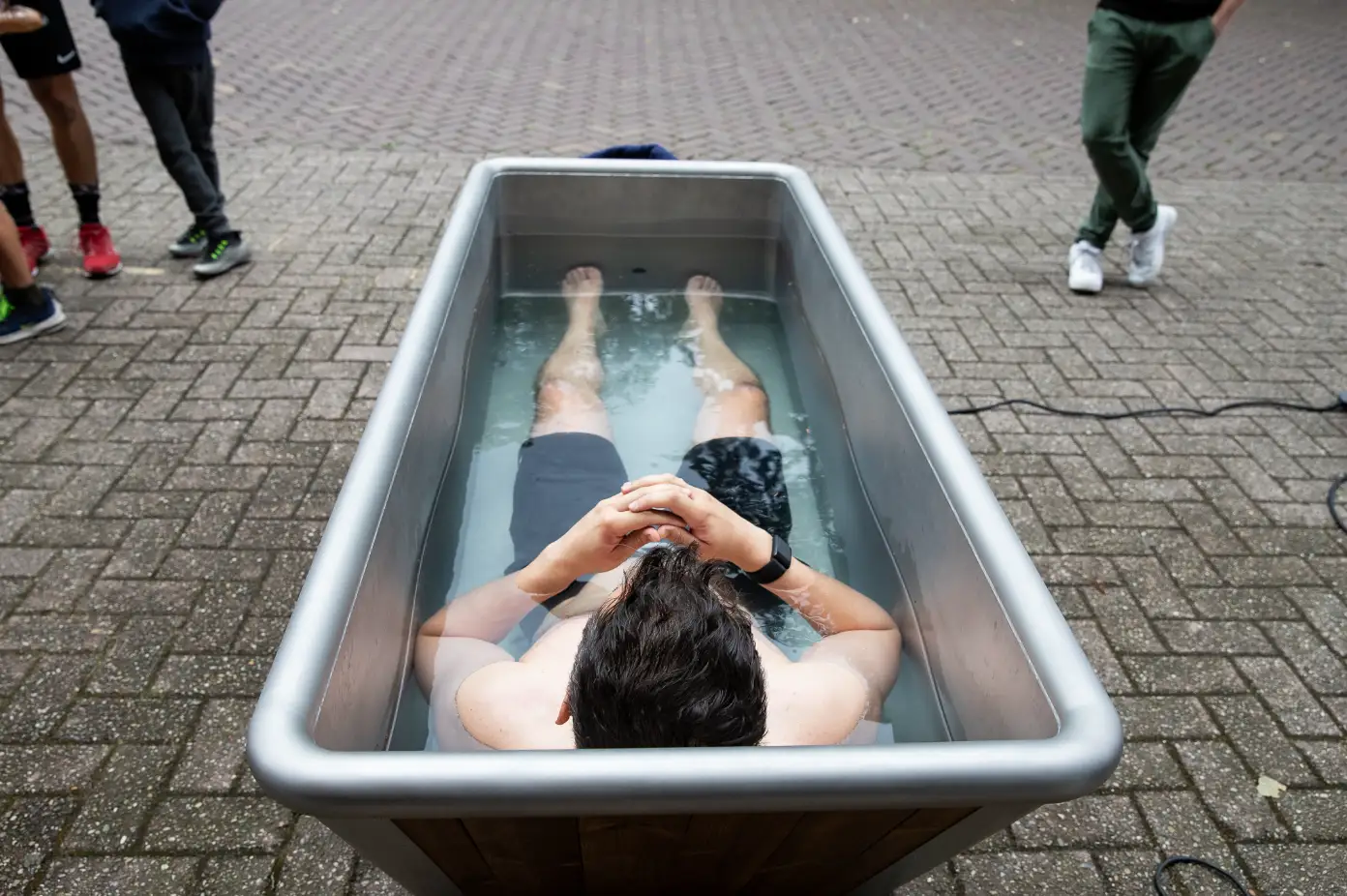
Al entrar en agua fría, tu cuerpo comienza a reaccionar de inmediato ante el cambio de temperatura.
Tu respiración cambia. Los vasos sanguíneos se contraen. Tu ritmo cardíaco puede aumentar y tu sistema nervioso se vuelve más alerta.
Estas no son reacciones aleatorias. Son parte del esfuerzo de tu cuerpo por proteger su temperatura central.
Esto hace que la exposición al frío sea más que un ritual de bienestar. Es un estímulo fisiológico medible que involucra a varios sistemas a la vez.
Tu primera respuesta ocurre rápidamente
Los primeros momentos en agua fría suelen ser los más intensos.
Los receptores de frío en tu piel envían señales al sistema nervioso, activando la respuesta simpática. Esto puede provocar una respiración acelerada, un aumento del ritmo cardíaco y la liberación de sustancias químicas relacionadas con el estrés, incluida la norepinefrina.
Un estudio publicado en The Journal of Physiology descubrió que la inmersión prolongada en agua fría producía aumentos sustanciales de norepinefrina circulante, junto con cambios en otras respuestas metabólicas y hormonales.
Esto ayuda a explicar por qué una inmersión en agua fría puede hacer que te sientas despierto al instante y con una concentración intensa.
Tu cuerpo comienza a producir calor
Una vez que tu cuerpo detecta el frío, necesita evitar que tu temperatura central descienda demasiado.
Los escalofríos son un mecanismo evidente. Las contracciones musculares rápidas generan calor.
Pero tu cuerpo también utiliza termogénesis sin escalofríos, donde el tejido adiposo marrón desempeña un papel importante.
La grasa marrón contiene mitocondrias que pueden convertir la energía almacenada en calor. Las investigaciones en adultos han demostrado que la exposición al frío puede activar la grasa marrón y aumentar el gasto energético.
Eso no convierte a la inmersión en agua fría en un atajo para perder peso.
Simplemente demuestra lo activamente que responde tu metabolismo cuando tu cuerpo tiene que defender su temperatura.
El frío cambia tu circulación
El frío provoca que los vasos sanguíneos cercanos a la piel se contraigan.
Esto ayuda a reducir la pérdida de calor desde la superficie corporal y redirige la circulación hacia el núcleo.
Una vez que sales del frío y empiezas a entrar en calor, esos vasos se dilatan gradualmente de nuevo.
Esta respuesta vascular cambiante es una de las razones por las que la circulación se menciona con frecuencia en relación con la inmersión en agua fría.
También es la razón por la que la experiencia puede sentirse muy diferente al salir del agua en comparación con los primeros momentos de la inmersión.
Tu sistema nervioso es parte de la experiencia
La exposición al frío genera una señal sensorial potente.
Tu cerebro debe procesar el cambio repentino de temperatura mientras tu sistema nervioso autónomo trabaja para regular la respiración, la circulación y la temperatura.
La norepinefrina es uno de los mensajeros químicos importantes que intervienen en esta respuesta, lo cual puede contribuir al estado de alerta que muchas personas experimentan tras la exposición al frío.
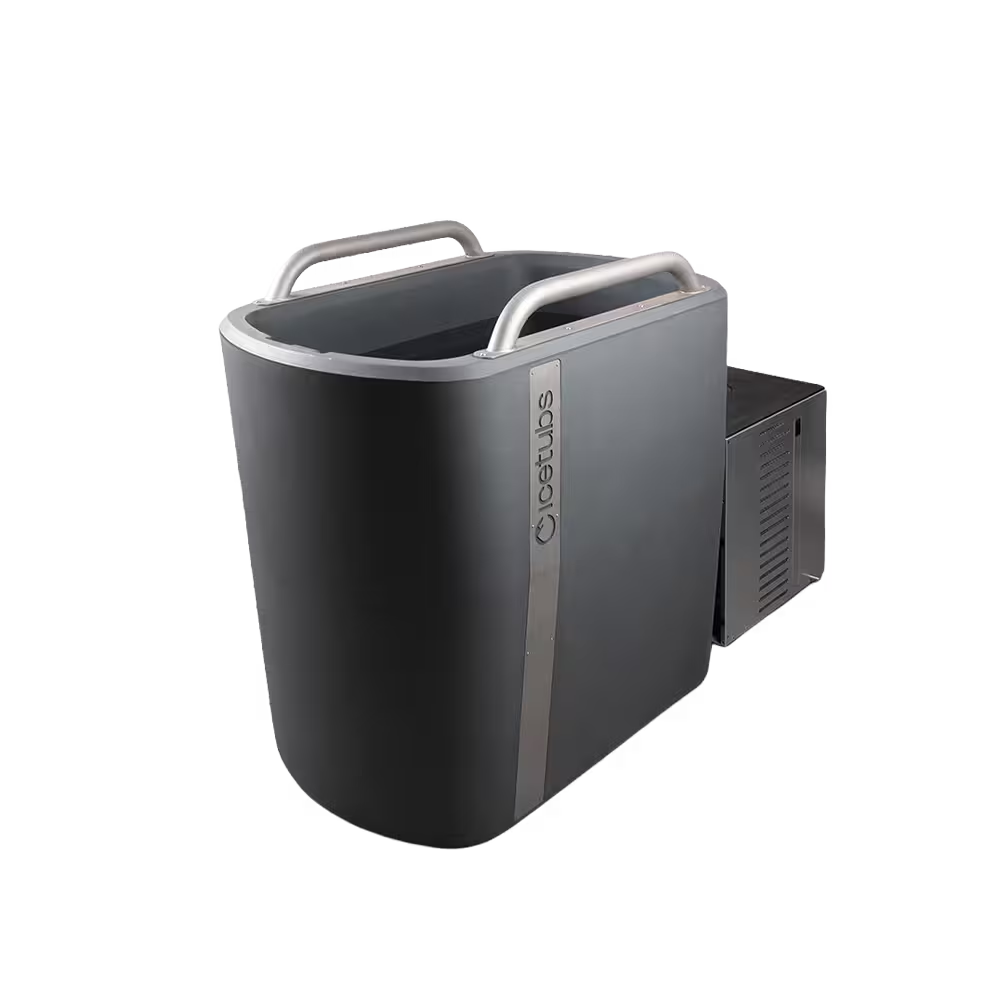
Icetubs incorpora la exposición controlada al frío en una rutina repetible, lo que le permite gestionar la temperatura del agua en lugar de depender de las condiciones cambiantes del hielo.
Su cuerpo puede adaptarse
La exposición repetida puede cambiar su forma de responder al mismo estímulo de frío.
El choque inicial por frío puede volverse más fácil de manejar. Su respiración puede ser más controlada y su cuerpo puede acostumbrarse mejor a mantener la temperatura en condiciones de frío.
Las investigaciones sobre la aclimatación al frío han descubierto cambios en la termogénesis y la tolerancia al frío tras una exposición repetida.
Eso no significa que se vuelva inmune al frío.
La adaptación hace que la respuesta sea más manejable; no elimina el desafío fisiológico.
Más frío no es automáticamente mejor
Aquí es donde entender la ciencia resulta útil.
La exposición al frío es una forma de estrés físico controlado. El valor potencial proviene de proporcionar a su cuerpo un estímulo manejable y permitirle recuperarse.
La temperatura, la duración, la frecuencia y la tolerancia individual influyen en la exposición total.
No hace falta buscar la temperatura más baja posible para lograr una experiencia de frío significativa.
Una rutina sostenible suele ser más útil que una extrema que no puedas mantener.
El panorama general
La exposición al frío afecta a múltiples sistemas de forma simultánea.
Tu sistema nervioso responde en cuestión de segundos. Tu circulación cambia. Tu cuerpo aumenta la producción de calor. Se activan vías hormonales y metabólicas, y la exposición repetida puede conducir a la adaptación.
La ciencia no sugiere que el frío sea una panacea.
Muestra algo más interesante: tu cuerpo responde de forma notable a los cambios controlados en su entorno.
Comprender esa respuesta te permite abordar la exposición al frío con mayor intención, en lugar de limitarte a preguntar cuánto frío puedes tolerar.
Sigue explorando la ciencia detrás de la terapia de frío con nuestras guías sobre la grasa parda, la dopamina, la noradrenalina, el cortisol, la hormesis, el nervio vago, la inflamación, la adaptación y la longevidad.