





In this blogpost:
Portable Cold Plunge for Travel: What to Look For
Looking for a portable cold plunge for travel? Learn what to consider around size, setup, water cooling, drainage, transport, and practical use away from home.
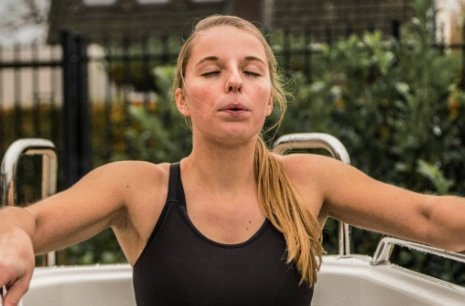
Travel can make a consistent cold plunge routine difficult.
You may move between hotels, homes, training facilities, and different climates, while your usual setup stays behind.
A portable cold plunge can make cold exposure more flexible, but portability means more than simply finding a smaller tub.
You need to think about how the entire setup travels and operates.
Start With the Size
A portable plunge needs to fit your travel situation.
Consider how much space it takes when packed, how much it weighs, and whether you can realistically transport it yourself.
A setup that is technically portable but difficult to lift or store may not be practical for frequent travel.
Think About Setup Time
Travel routines are already full of small tasks.
If your plunge takes a long time to assemble, fill, cool, drain, and pack away, you may stop using it.
Look for a setup that can be prepared without requiring a complicated installation every time.
Simple is usually better.
How Will You Cool the Water?
This is one of the biggest differences between portable cold plunges.
Some setups rely on adding ice.
Others use a cooling system.
Ice can be convenient for occasional use, but repeated travel with enough ice can become difficult, particularly if you need cold water regularly. This trade-off is covered in Portable Ice Bath vs Built-In Tub: Pros and Cons.
Don't Forget Drainage
Water needs somewhere to go.
Before using a portable plunge, think about where you will drain it.
A hotel room, balcony, or temporary accommodation may not be suitable for large amounts of water.
Always check the property rules and make sure you have an appropriate drainage option.
Consider the Water Source
You also need access to enough clean water.
A portable plunge may be easy to carry but difficult to use if the location does not have a suitable water supply.
Think about this before travelling rather than after arriving.
What About Power?
If your portable setup uses powered cooling, check the available electrical supply at your destination.
Different countries can use different voltage and plug standards.
You should also keep electrical equipment away from standing water and follow the manufacturer's safety instructions.
Keep the Setup Clean
Travel introduces new environments.
Dust, dirt, unfamiliar water sources, and different storage conditions can all affect cleanliness.
Clean and dry the portable plunge properly before packing it away.
Avoid storing it while damp unless the manufacturer's instructions specifically allow it.
Could Icetubs Work for Travel?
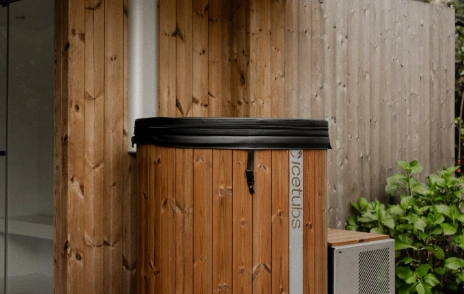
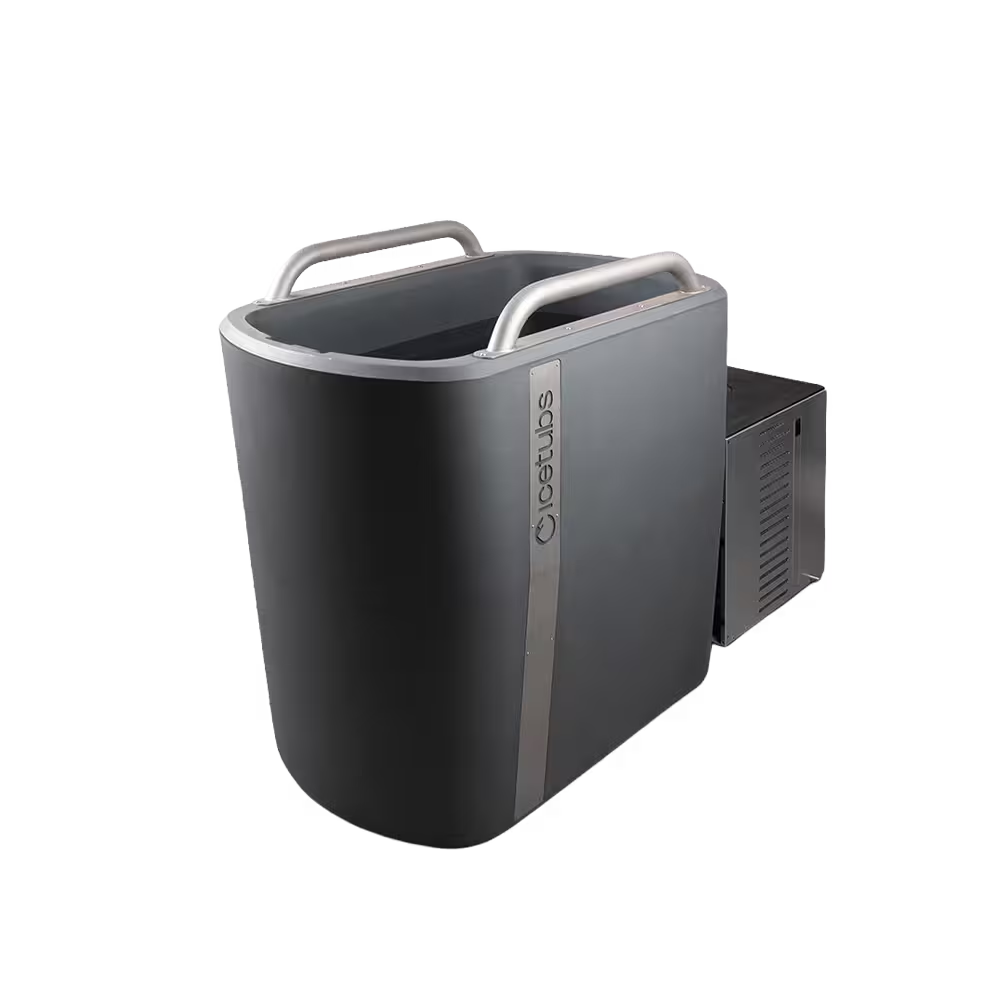
The Icetubs Engine is built around active cooling, filtration, and ozone-supported water care for a dedicated home or fixed wellness environment, not frequent airline-style travel.
That does not make the concept of portable cold exposure less useful.
It simply highlights an important distinction: the best cold plunge for travel is not necessarily the same type of system you would choose for a permanent home setup.
Think About Why You Travel
Your travel schedule should influence the type of plunge you choose.
Frequent road trips are different from international flights.
A weekend away is different from spending several months in another location.
The more often you move, the more important size, setup time, drainage, and storage become.
Keep Expectations Realistic
A portable cold plunge can give you more flexibility, but it will rarely be as convenient as a permanent setup.
You may need to assemble it, manage the water, arrange cooling, and pack everything away afterwards.
That is the trade-off for mobility.
Choose Convenience Over Complexity
If your goal is to maintain a cold exposure habit while travelling, the simplest setup is often the most useful.
Consider what you will actually be willing to carry, assemble, clean, and store.
Portability only matters if you are genuinely prepared to take it with you.
For more ways to maintain cold exposure when you are away from your normal setup, continue with Outdoor Cold Plunge: How to Plan the Right Setup