





In this blogpost:
Inmersión en agua fría: ¿mejor por la mañana o por la noche?
Compara las inmersiones en agua fría por la mañana y por la noche según la energía, la recuperación, el sueño y cómo elegir la mejor rutina para tu horario y tus objetivos.
.webp)
El mejor momento para sumergirse en agua fría no es el mismo para todos.
Hay quienes se sumergen en agua fría antes de empezar el día. Otros prefieren hacerlo después de entrenar, después del trabajo o como parte de un ritual nocturno.
El frío es el mismo.
El efecto puede sentirse diferente.
El momento elegido define la experiencia. Una inmersión matutina puede resultar energizante. Una inmersión nocturna puede sentirse reparadora. La elección correcta depende de tu cuerpo, tu horario y lo que quieras lograr con esta práctica.
Inmersión matutina: un comienzo con fuerza
Una inmersión en agua fría por la mañana puede darte impulso.
El cuerpo se despierta rápidamente. La respiración se agudiza. La mente se mantiene alerta. Para muchas personas, esta es la razón principal para sumergirse temprano: marca un inicio claro para el día.
Las sesiones matutinas pueden ser ideales si buscas mayor concentración, disciplina o energía antes de trabajar. También pueden ayudarte a mantener la constancia, ya que la rutina se completa antes de que el día se vuelva demasiado ajetreado.
La clave es mantener la sencillez. Prepara la toalla, la ropa y el espacio con antelación. Cuantas menos decisiones tengas que tomar, más fácil será volver a hacerlo.
Inmersión en agua fría por la noche: un tipo de reinicio diferente
Una inmersión nocturna puede sentirse muy distinta.
Después de un largo día, el agua fría puede ayudar a marcar un límite entre el trabajo, el entrenamiento y el descanso. Puede despejar la mente y devolver la atención al cuerpo.
Pero el momento es importante. El agua fría también puede resultar estimulante. Si te sumerges demasiado cerca de la hora de dormir, es posible que te sientas más despierto que relajado.
Si prefieres las sesiones nocturnas, intenta hacerlas más temprano y deja pasar un tiempo para entrar en calor de forma natural antes de dormir.
Después del entrenamiento o en días de recuperación
La inmersión en agua fría suele integrarse en las rutinas de entrenamiento.
A algunas personas les gusta después de hacer ejercicio porque crea un ritual de recuperación intenso. Otras prefieren la exposición al frío en los días de descanso para que no interfiera con la experiencia de su entrenamiento.
No existe una respuesta única para todos. Depende de tu deporte, tu objetivo de entrenamiento y cómo se sienta tu cuerpo después.
Una buena regla es observar tu propia respuesta. Si la inmersión en agua fría te hace sentir fresco y listo, ese horario puede ser el adecuado. Si te deja demasiado agotado, ajústalo.
Adapta el horario a tu objetivo
Tu objetivo debe marcar el ritmo.
Si buscas energía, la mañana puede ser mejor.
Si buscas un reseteo mental, el final de la tarde puede funcionar bien.
Si buscas recuperación, inclúyela en tu rutina de entrenamiento.
Si buscas mejorar el sueño, evita sumergirte demasiado cerca de la hora de acostarte.
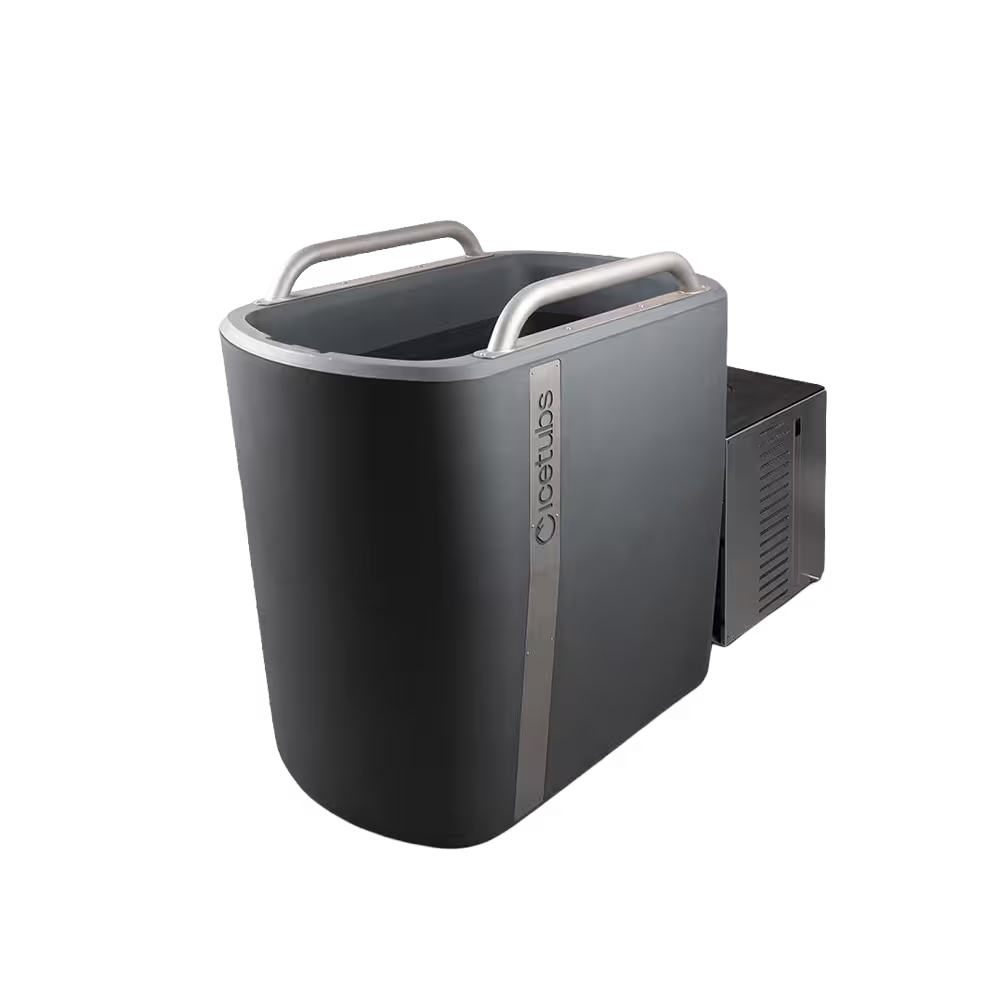
Aquí es donde una configuración constante puede ayudar. Con Icetubs, el agua se puede controlar a través de la aplicación o la pantalla, con enfriamiento hasta 3°C y calefacción opcional hasta 38°C, lo que facilita adaptar la sesión al momento del día que prefieras.
Escucha la respuesta de tu cuerpo
El mejor momento es aquel que puedes repetir sin forzarlo.
Prueba las sesiones matutinas durante una semana. Luego, prueba las sesiones vespertinas. Observa tu energía, estado de ánimo, sueño, recuperación y motivación.
La inmersión en agua fría debe encajar en tu vida, no alterarla.
Elige un momento al que puedas volver
El mejor momento no depende solo de la biología. También depende del hábito.
Una rutina perfecta que no puedes repetir es menos útil que una rutina sencilla que se adapta a tu día.
Elige un momento que te resulte realista. Mantén la práctica constante. Deja que el frío se convierta en parte de tu ritmo.
Para conocer más formas de estructurar el tiempo, la respiración y la rutina, continúa con Métodos y rutinas de inmersión en agua fría: guía de práctica completa.