





In this blogpost:
Inmersión en frío con arcón congelador: Consejos de seguridad y electricidad antes de empezar
Aprenda consejos de seguridad para baños de hielo en congeladores horizontales sobre electricidad, impermeabilización, protección GFCI, enchufes, cables, drenaje, control de temperatura y planificación de una instalación más segura.
Un baño de hielo hecho con un congelador horizontal puede parecer un atajo ingenioso de bricolaje.
Está aislado.
Puede contener agua fría.
Puede reducir la necesidad de usar hielo constantemente.
Pero también conlleva una preocupación grave: electricidad cerca del agua.
Un congelador horizontal fue diseñado para congelar alimentos, no para convertirse en una tina de inmersión humana. Al convertirlo en un baño de hielo, está cambiando su uso previsto. Eso significa que la seguridad debe estar por encima de la comodidad, el presupuesto o la estética.
Si en algún momento la instalación no le genera confianza, no la utilice.
Comprenda el riesgo principal
El mayor riesgo no es solo el agua fría.
Es la combinación de agua, piel mojada, piezas metálicas, componentes eléctricos, cables, enchufes y posibles fugas.
La inmersión en agua fría ya afecta a tu respiración y a tu sistema nervioso. No querrás añadir incertidumbre eléctrica a ese momento.
Antes de llenar un congelador con agua, pregúntate si la instalación es realmente segura para un uso repetido. Si no puedes responder con seguridad, detén el proyecto.
Utiliza una protección eléctrica adecuada
Un congelador horizontal convertido en bañera de hielo nunca debe depender de una instalación eléctrica improvisada.
La protección GFCI se utiliza habitualmente en la seguridad eléctrica de zonas húmedas porque ayuda a reducir el riesgo de descarga eléctrica. También debes evitar cables dañados, enchufes sueltos, alargadores sobrecargados o enchufes situados cerca de zonas de salpicaduras.
Mantén todas las conexiones eléctricas alejadas del agua.
Si el congelador está en el exterior, la instalación eléctrica requiere aún más cuidado. La lluvia, la condensación, los charcos y el suelo mojado pueden aumentar el riesgo.
Vale la pena contar con un electricista cualificado antes de confiar en la instalación.
No entrar si el suministro eléctrico es inestable
Algunos constructores aficionados optan por desenchufar el congelador antes de entrar.
Eso puede reducir un tipo de riesgo, pero no hace que la instalación sea segura automáticamente. Todo el sistema sigue requiriendo una impermeabilización adecuada, un cableado seguro, una conexión a tierra fiable y una ubicación cuidadosa.
No confíe en un solo hábito para resolver todas las preocupaciones.
Si olvida desenchufarlo una vez, ¿estaría protegida la instalación?
Si hay una fuga de agua, ¿hacia dónde va?
Si se acumula condensación, ¿qué partes toca?
Una buena planificación de seguridad considera todo el entorno.
La impermeabilización debe realizarse correctamente
Un congelador horizontal no es automáticamente estanco para inmersión.
Las juntas, esquinas, tapones de drenaje y superficies interiores pueden requerir sellado. Si el agua llega a zonas donde no debería, puede dañar el congelador o crear un riesgo eléctrico.
Utilice materiales diseñados para el contacto prolongado con el agua. Deje que los selladores curen por completo. Compruebe si hay fugas antes de usar el congelador como bañera de inmersión.
No se apresure en este paso.
Un sellado deficiente puede no fallar el primer día, pero podría hacerlo más adelante.
Mantenga los cables y enchufes lejos de las zonas húmedas
El área alrededor del congelador se mojará.
Puede gotear al entrar. Puede salpicar al sentarse. El agua puede derramarse al salir. Por eso, la ubicación de los cables es fundamental.
No pase cables por la zona de paso. No coloque enchufes en el suelo. No deje cables de extensión donde pueda acumularse agua.
La disposición más segura es sencilla, seca y fácil de inspeccionar.
Compruebe la temperatura cada vez
Un arcón congelador puede enfriar el agua al extremo.
Esto solo es útil si tienes el control. Si la temperatura del agua baja demasiado, la sesión puede volverse difícil de manejar, especialmente si eres principiante en la exposición al frío.
Usa un termómetro antes de entrar. No te fíes de la apariencia o de la temperatura que parece tener el agua desde fuera.
La inmersión en agua fría debe ser algo medido, no una suposición.
Saber cuándo elegir otra opción
Convertir un arcón congelador puede funcionar para quienes tienen experiencia en proyectos de bricolaje, pero no es la mejor opción para todo el mundo.
Si los detalles eléctricos y de impermeabilización te generan estrés, es una señal importante. Quizás te convenga más una bañera sencilla con hielo o un equipo de inmersión en frío profesional que evite los riesgos de modificar un congelador.
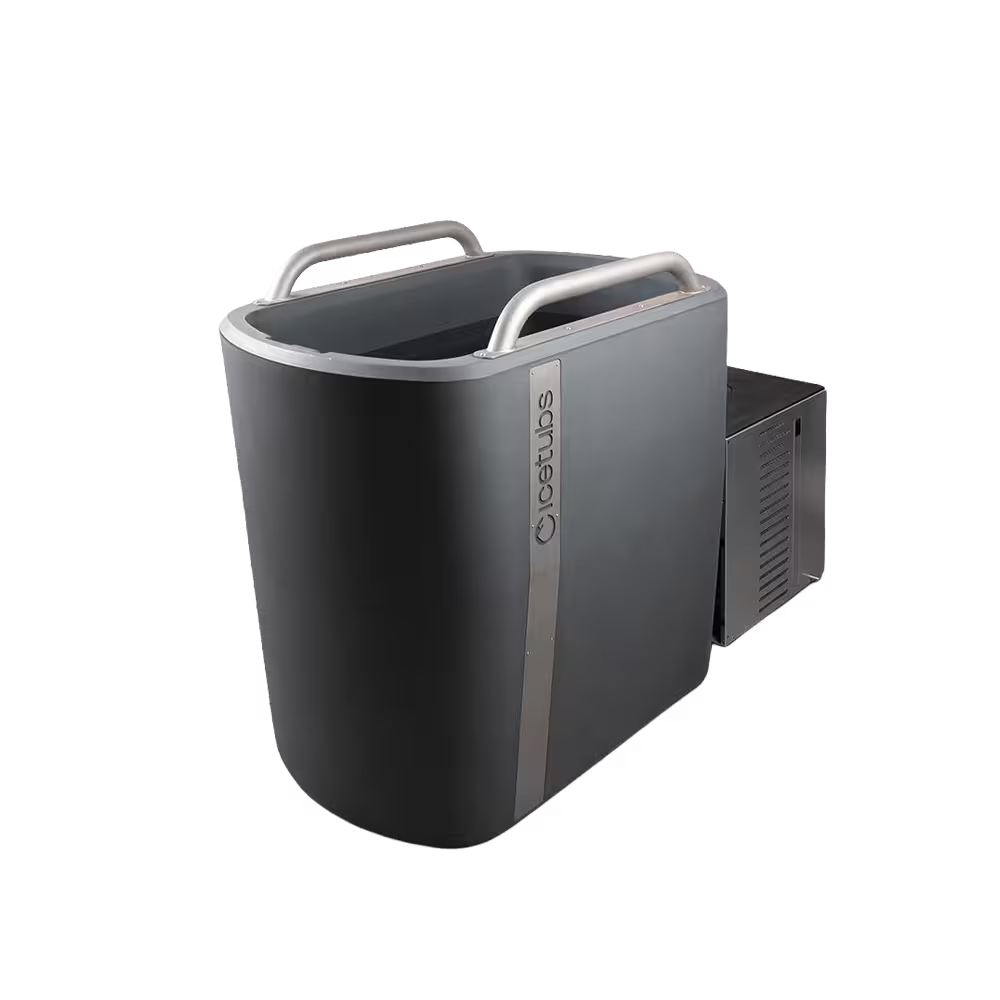
Con Icetubs, la experiencia de inmersión en frío se basa en una bañera y un sistema de refrigeración diseñados específicamente para este fin, no en un electrodoméstico modificado.
Para conocer más opciones de construcción antes de decidirte, lee Cómo construir tu propia bañera de inmersión en frío: Guía completa.