





In this blogpost:
DIY vs Pre-Built Cold Plunge: Which Is Better for Your Routine?
Compare DIY and pre-built cold plunge options by cost, setup effort, temperature control, maintenance, safety, comfort, and long-term convenience at home.
A DIY cold plunge and a pre-built cold plunge can both lead to the same basic ritual.
You enter cold water.
You breathe through the first shock.
You stay for a short time.
You warm up afterwards.
But the experience around that ritual can feel very different.
DIY gives you flexibility and lower upfront cost. Pre-built systems usually offer more convenience, consistency, and comfort. The better choice depends on what you need most: a low-cost experiment or a long-term routine with less manual work.
DIY Is Good for Testing the Habit
DIY makes sense when you are still exploring cold plunging.
You can start with a bathtub, plastic tub, stock tank, or simple container. Add ice, measure the temperature, and learn how your body responds.
This is useful because not everyone knows right away whether cold water will become part of their life.
A DIY setup lets you start small.
You can test timing, temperature, location, and routine before making a larger investment.
DIY Also Means More Manual Work
The lower cost comes with trade-offs.
You may need to buy ice, carry it home, wait for the water to cool, check the temperature, drain the tub, clean it often, and cover it between sessions.
At first, that may feel manageable. But if you plunge several times per week, the effort can become part of the decision.
A cold plunge routine only works if you actually keep using it.
If setup friction makes you skip sessions, the cheapest option may not feel so cheap over time.
Pre-Built Systems Offer Consistency
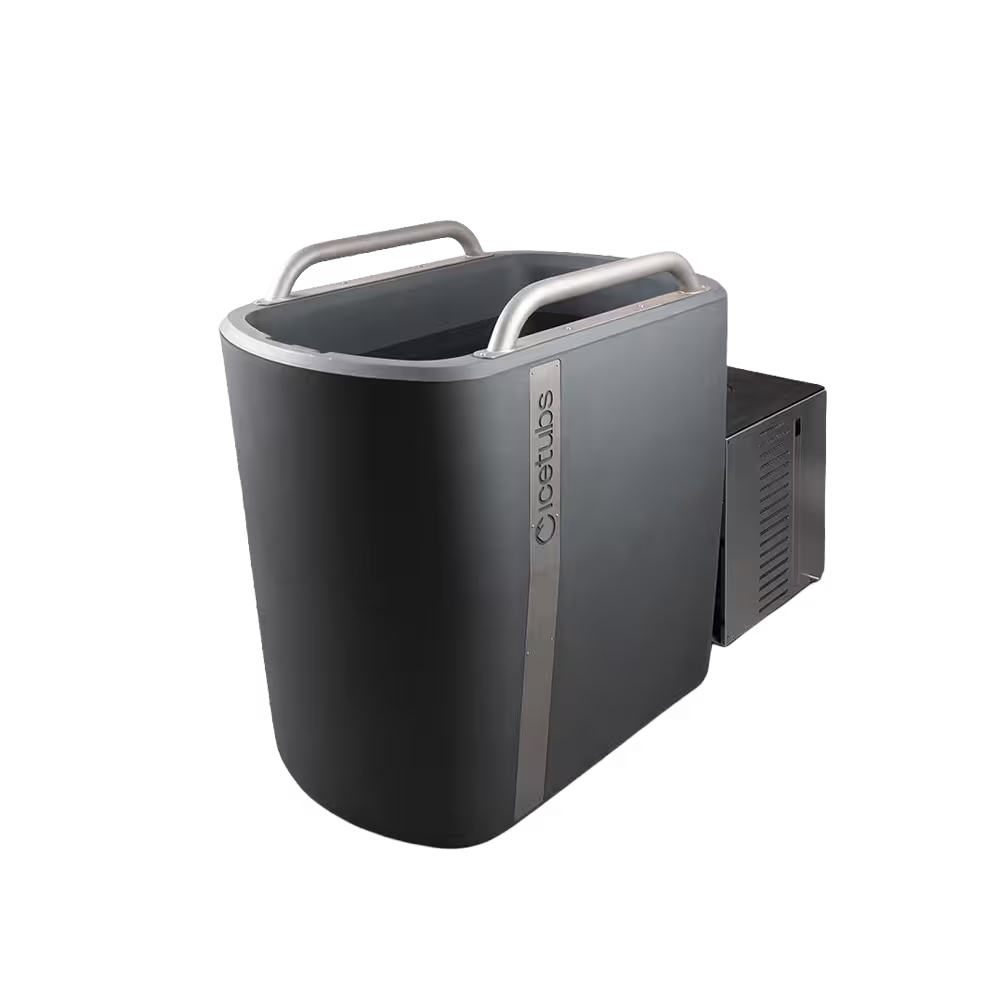
A pre-built cold plunge is designed for repeated use.
The main advantage is consistency. You do not have to guess how much ice to add. You do not need to rebuild the setup every session. You can create a more predictable routine around temperature, cleaning, and access.
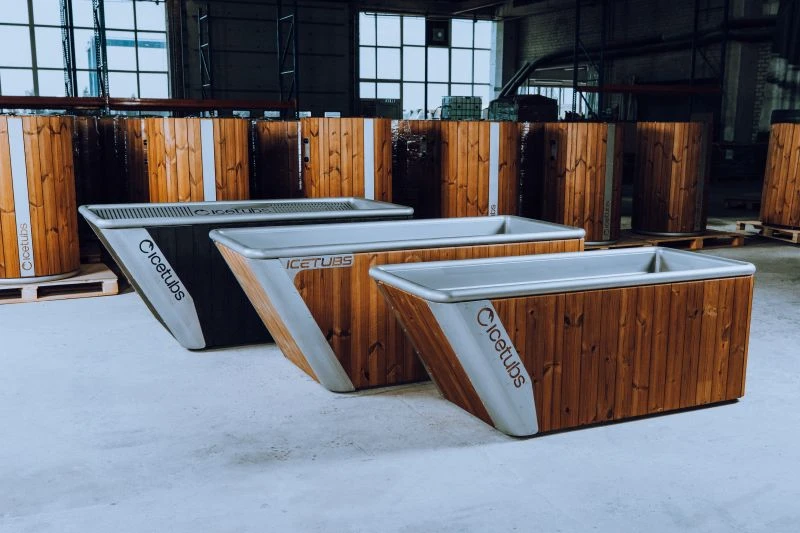
This is where Icetubs fits naturally for people who want cold plunging to feel less like a project and more like a repeatable wellness habit.
The value is not only in the cold water. It is in how easy the cold water is to return to.
Think About Temperature Control
Temperature is one of the biggest differences.
DIY setups usually depend on ice. That means the water can change from session to session. Sometimes it may be too warm. Sometimes it may become colder than expected.
Pre-built systems with temperature control make the practice easier to measure.
That can be helpful if you are a beginner, if you want gradual progression, or if you simply like knowing what temperature you are entering.
Maintenance Looks Different
DIY maintenance depends on your setup.
A basic tub may need frequent water changes. A stock tank may collect outdoor debris. A chest freezer may need sealing, cleaning, and electrical caution. A chiller setup may add pumps, tubing, and filter care.
Pre-built systems still need maintenance, but the system is usually designed with that routine in mind.
Neither option is maintenance-free.
The difference is whether you want to design the maintenance process yourself or use a system built for it.
Safety Should Not Be an Afterthought
Cold water already asks for respect.
DIY setups can be safe when planned well, but they leave more decisions to you: surface stability, drainage, entry, water quality, electrical placement, and temperature checks.
Pre-built does not remove personal responsibility, but it can reduce some build-related risks.
Especially with chest freezer conversions or DIY chiller systems, safety should weigh heavily in the decision.
Choose Based on How You Will Use It
DIY may be better if you are budget-conscious, curious, and comfortable with manual setup.
Pre-built may be better if you want consistency, easier temperature control, cleaner design, and less preparation before each plunge.
One is not automatically better for everyone.
The better choice is the one that matches your habit, budget, space, and tolerance for maintenance.
To explore the DIY side before deciding, start with How to Build a DIY Cold Plunge: Complete Guide.