





In this blogpost:
Daily Cold Plunge Routine: Beginner to Advanced
Create a cold plunge routine that fits your level, from beginner sessions to advanced cold exposure habits.

A daily cold plunge routine can help you feel more refreshed, focused, and consistent with your recovery habits. But going from your first cold plunge to a daily routine should be done gradually. The goal is not to jump straight into freezing water every morning. The goal is to build a routine that your body can handle safely.
For beginners, cold plunging every day may feel too intense at first. Some people adjust quickly, while others need more time. A good routine should match your current level, your recovery needs, and how your body responds after each session.
This guide breaks down how to approach cold plunging from beginner to advanced, so you can build consistency without rushing the process.
Phase 1: Beginner Routine
If you are new to cold plunging, start with fewer sessions per week before moving toward daily use. Your body needs time to adapt to the cold, especially if you are not used to cold exposure.
A beginner routine can look like this:
- Frequency: 2 to 3 times per week
- Duration: 30 seconds to 2 minutes
- Temperature: Around 10°C to 15°C
- Focus: Breathing, calm entry, and safe exit
At this stage, your main goal is comfort and control. Do not worry about staying in longer. Instead, focus on entering the tub slowly, keeping your breathing steady, and getting out before you feel overwhelmed.
If you feel very tired, dizzy, or too cold after your session, take more rest days between plunges.
Phase 2: Building Consistency
Once cold plunging feels less shocking, you can increase your routine. This does not mean you need to plunge every day immediately. It means you can add sessions slowly and see how your body responds.
A consistency-focused routine may include:
- 3 to 4 sessions per week
- 1 to 3 minutes per session
- A steady temperature you can manage
- Light movement after the plunge to warm up
- Rest days when your body feels fatigued
This is the stage where cold plunging becomes part of your lifestyle instead of a one-time challenge. You may choose to plunge in the morning to feel alert or after training to support your recovery routine.
The best sign of progress is not how long you can stay in. It is whether you can repeat the habit comfortably without feeling drained.
Phase 3: Moving Toward a Daily Routine
A daily cold plunge routine is best for people who already feel comfortable with cold exposure. Before moving to daily sessions, make sure you can stay calm in the tub and warm up properly afterward.
A daily routine does not have to be intense. In fact, shorter sessions are often better when you plunge more frequently.
For daily cold plunging, consider:
- Keeping sessions around 1 to 3 minutes
- Avoiding very cold temperatures every day
- Reducing time if you feel tired or stressed
- Taking rest days when needed
- Tracking how you feel after each session
Daily cold plunging should leave you feeling steady and refreshed. If it starts to feel like a burden, reduce the frequency.
Beginner to Advanced: What Changes?
As you become more experienced, your routine may change in three main areas: frequency, duration, and temperature. But these should not all increase at once.
For example, if you start plunging more often, keep the temperature and duration manageable. If you lower the temperature, shorten the session. If you extend the time, avoid making the water much colder at the same time.
A simple progression looks like this:
- Beginner: Short sessions, moderate cold, fewer times per week
- Intermediate: More regular sessions, slightly longer exposure
- Advanced: More control, colder water, careful recovery habits
Advanced does not mean reckless. It means you understand your limits and can adjust your routine based on how your body feels.
When to Adjust or Skip a Session
Even with a daily routine, there are days when skipping the cold plunge is the better choice. Cold exposure is a stressor, and your body may not always be ready for it.
Skip or reduce your session if you are:
- Sick or feverish
- Extremely tired
- Feeling dizzy or weak
- Recovering from poor sleep
- Struggling to warm up after previous sessions
- Experiencing unusual discomfort
You can also adjust your session instead of skipping it completely. Use slightly warmer water, shorten your time, or focus only on a brief reset. A flexible routine is usually more sustainable than a strict one.
Keep Your Routine Safe Before Going Further
A good daily cold plunge routine should grow with your body, not push against it. Start with a few sessions per week, stay consistent, and only move toward daily use when your body feels ready.
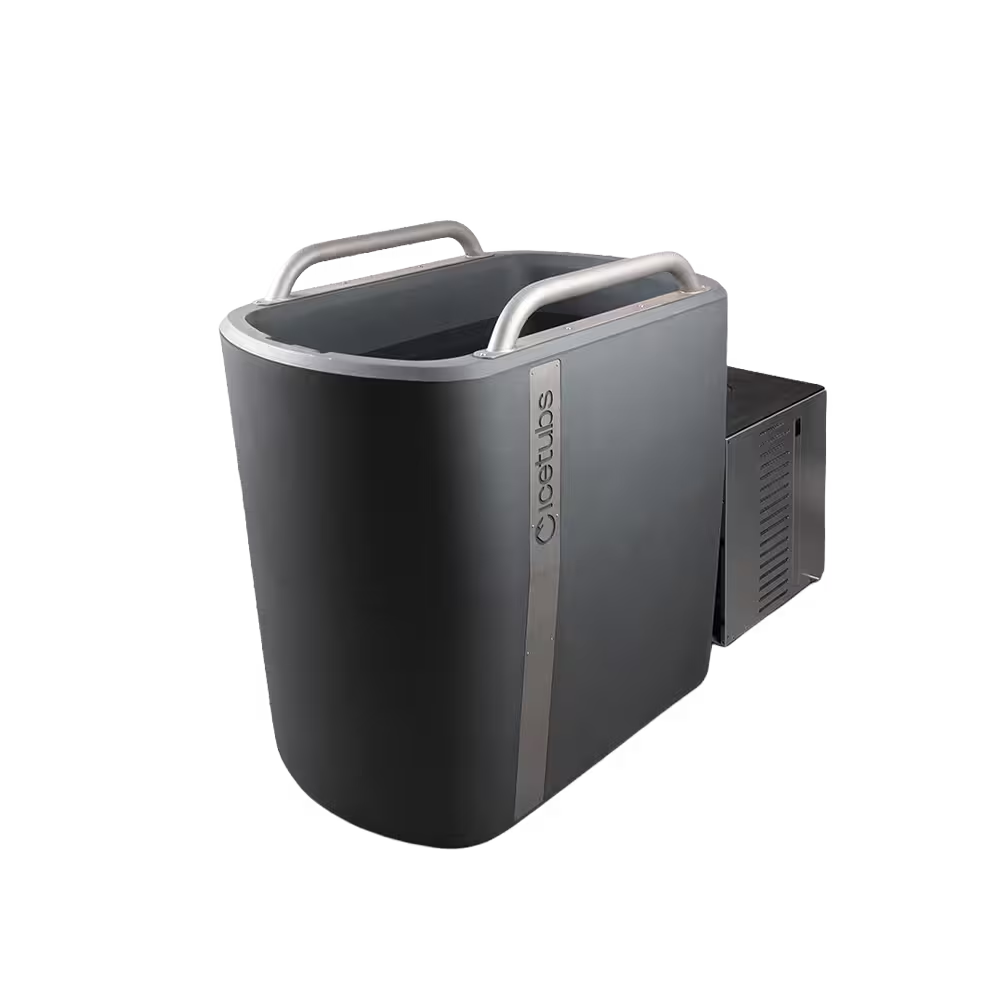
With Icetubs, you can create a cold plunge setup that supports steady progress from beginner to advanced. Before increasing frequency or intensity, make sure you understand the full safety basics in our main guide: How to Use a Cold Plunge Tub Safely: A Beginner’s Guide.