





In this blogpost:
Cold Plunge for Beginners: A Calm Way to Start
Start cold plunging with a simple beginner routine, including safe temperature, short timing, slow entry, breathing, warm-up, and confidence tips at home.
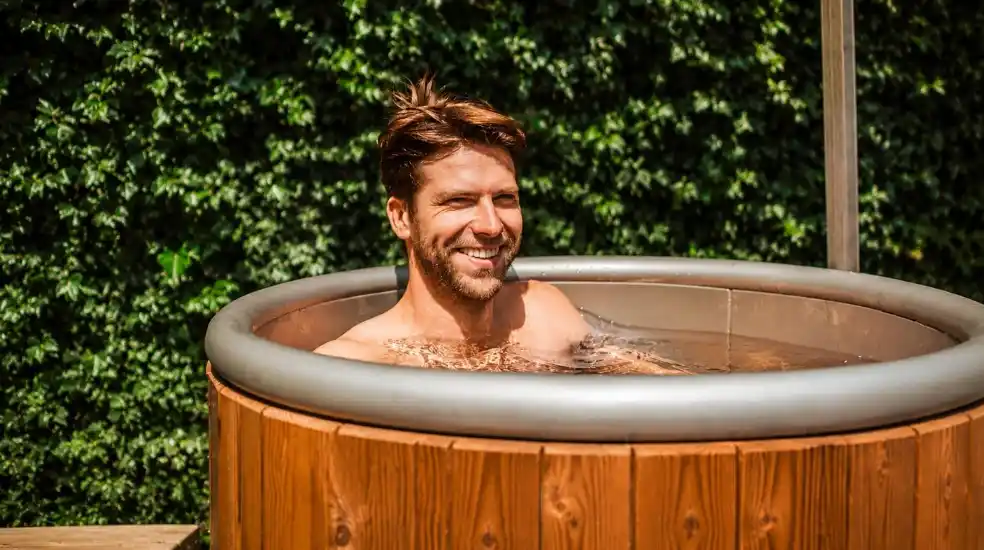
Your first cold plunge does not need to be dramatic.
You do not need near-freezing water.
You do not need a long timer.
You do not need to prove anything.
The beginning is about learning.
Cold water creates a strong response in the body. Your breath changes. Your skin tightens. Your mind may resist. That is normal. The goal is not to fight the reaction. The goal is to meet it with calm.
A good beginner routine should feel simple, safe, and repeatable.
Start Warmer Than You Think
Many beginners start too cold.
They add too much ice, stay too long, and turn the first session into something they do not want to repeat. That is not the best way to build a habit.
A moderate cold temperature is enough at the beginning. You should feel challenged, but still able to breathe, think, and step out safely.
If the cold immediately creates panic or makes breathing feel impossible, it is too much for now.
Keep the First Sessions Short
Short is enough.
Your first sessions can be one or two minutes, or even less if needed. The aim is to understand how your body responds.
Can you slow your breath?
Can you relax your shoulders?
Can you leave the water feeling steady?
That matters more than the number on the timer.
As you adapt, you can gradually increase duration. But do not rush. Cold plunging should build confidence, not fear.
Enter Slowly
Avoid jumping in.
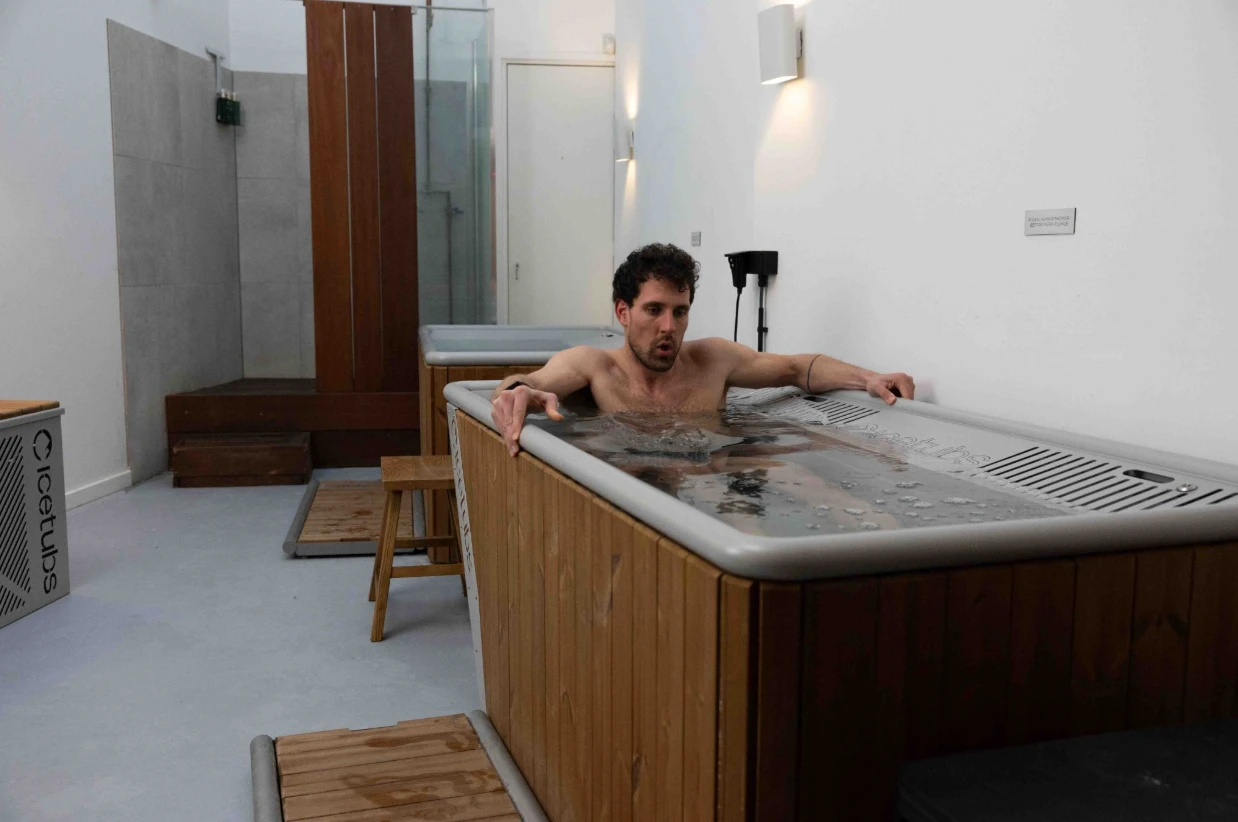
A slow entry gives your body time to adjust. Start with your feet and legs. Lower yourself gradually. Keep your head above water. Focus on a long exhale as the cold reaches your torso.
The first seconds are usually the strongest.
If you can stay calm there, the rest of the session becomes easier.
Use Breathing as the Anchor
Inside the water, keep the breath simple.
Inhale gently.
Exhale slowly.
Relax your jaw.
Soften your hands.
Let your shoulders drop.
You do not need complex breathwork during the plunge. In fact, intense breathing techniques should be done away from the water, not while immersed.
Your breath is there to steady you, not to push you.
Make the Setup Easy
A beginner routine becomes much easier when the setup is ready.
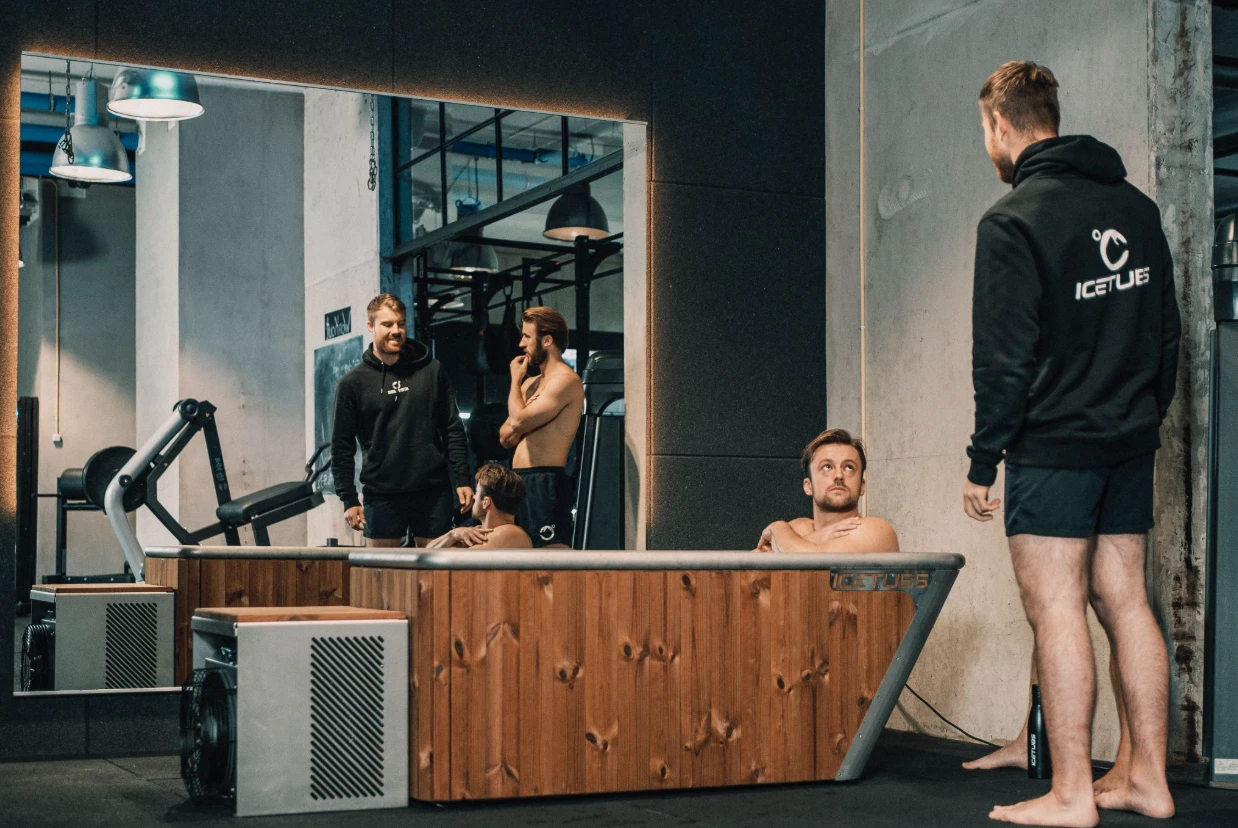
Keep your towel, warm clothes, robe, and non-slip mat nearby. Make sure the area around the tub is clear. Decide how long you will stay in before you enter.
Icetubs’ beginner guidance focuses on starting gradually, using a timer, breathing calmly, and warming up properly after the session.
That is the right mindset: reduce uncertainty before you meet the cold.
Warm Up with Care
The session does not end when you step out.
Dry off. Put on warm layers. Walk gently. Let your body warm naturally. Avoid rushing into a very hot shower if you feel lightheaded.
The warm-up helps your body return to balance.
It also gives you time to notice how the session felt.
Track How You Feel
After each plunge, pay attention.
Do you feel clear? Calm? Energised? Too cold? Shaky? Drained?
This feedback helps you adjust. Maybe the session was too long. Maybe the water was too cold. Maybe morning works better than evening.
The best beginner routine is one that teaches you about your body.
Build Confidence Slowly
Cold plunging becomes easier when you return to it with respect.
Start moderate. Keep it short. Enter slowly. Breathe steadily. Warm up gently. Adjust one thing at a time.
You do not need to master the cold on day one.
You only need to begin well.
For more ways to match cold plunging to your body, goals, and experience level, read Cold Plunge for Everyone: Who Benefits & How.