





In this blogpost:
Cold Plunge for Weightlifters: Recovery Without Losing the Bigger Goal
Learn how strength athletes can use cold plunging for soreness, recovery, training timing, muscle growth goals, and safer routine planning after workouts.
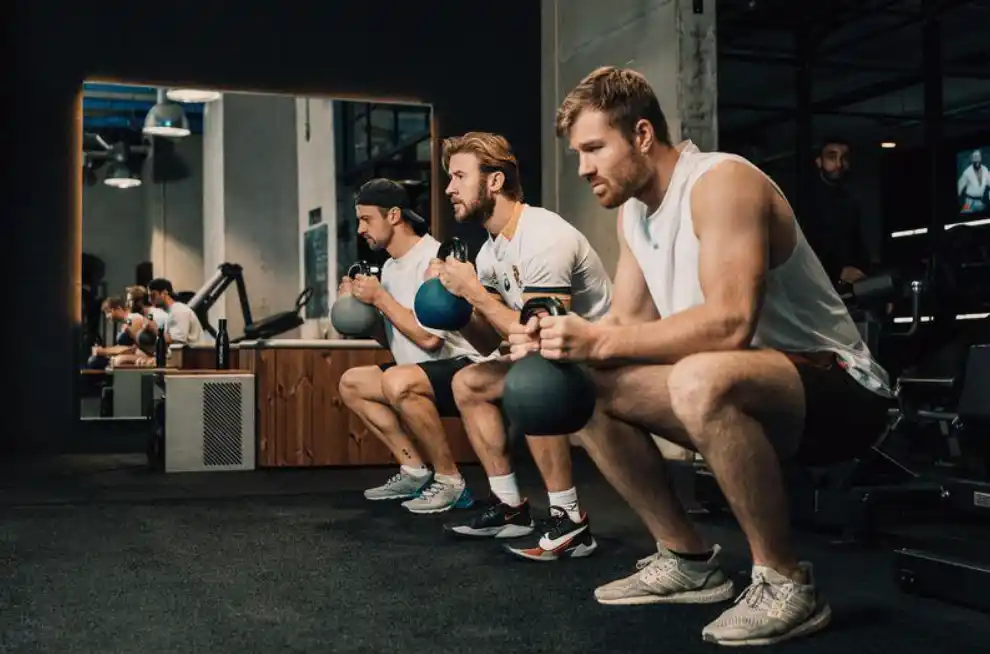
Strength training asks the body to adapt.
You lift.
You create stress.
You recover.
Then you come back stronger.
Cold plunging can feel useful in that recovery process. After a heavy session, the cold may help your body feel lighter, reduce the sense of soreness, and create a clean break between training and rest.
But for weightlifters and strength athletes, timing matters.
The goal is not only to feel better today. It is also to support the adaptation you are training for.
Recovery Is Not Just Comfort
After a hard lifting session, soreness can make cold water appealing.
Your legs feel heavy. Your shoulders feel tight. Your nervous system feels loaded. A cold plunge can give you a clear recovery ritual, especially after high-volume sessions, conditioning work, or competition days.
But feeling less sore is not the same as becoming stronger.
Strength progress depends on training stress followed by proper adaptation. That means recovery should help the body rebuild, not interrupt the signal you created in the gym.
Be Careful After Heavy Lifting
Cold water immersion is sometimes better placed away from your most important strength sessions.
If your main goal is muscle growth, using cold plunging immediately after every heavy lifting workout may not be the best default. Some research suggests cold immersion may reduce some muscle adaptation signals when used too often right after resistance training.
That does not mean you should avoid it completely.
It means you should use it with intention.
If you are training for hypertrophy, you may prefer cold plunging later in the day, on rest days, after conditioning, or after sessions where recovery comfort matters more than maximum muscle-building adaptation.
Use Cold Water When the Goal Fits
Cold plunging may be more useful after certain types of sessions.
It can fit well after:
• High-volume training blocks
• Conditioning or circuit sessions
• Strongman-style events
• Competition days
• Hot-weather training
• Sessions that leave you feeling systemically drained
It may be less ideal immediately after your most important muscle-building workout if growth is the priority.
The question is simple: what do you want this session to support?
Keep the Routine Measured
Strength athletes often like progression.
More weight. More reps. More load. More intensity.
But cold plunging does not need that mindset every time. You do not have to go colder or stay in longer to make the routine useful.
Start with a manageable temperature and short duration. Step in slowly. Let your breathing settle. Step out before the cold turns into strain.
The goal is recovery, not another competition.
Build Consistency Without Extra Friction
A cold plunge routine works best when it is easy to repeat.
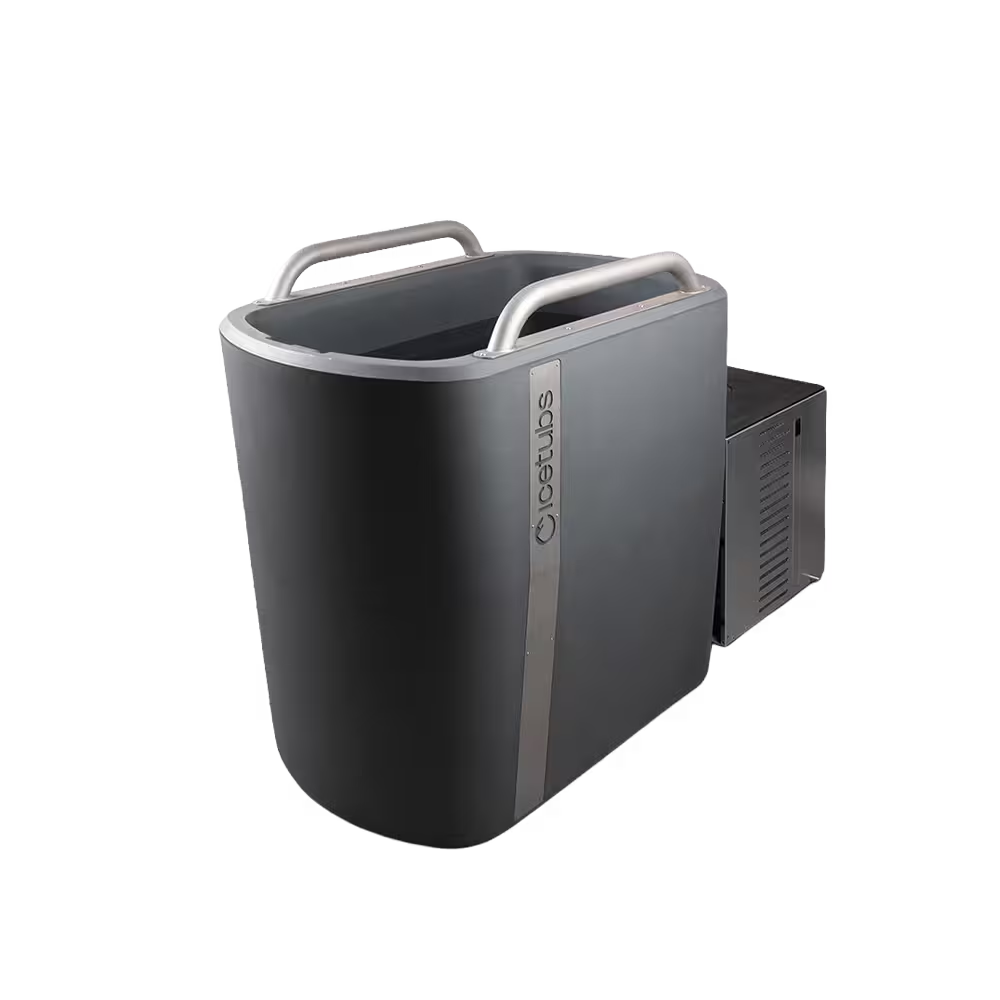
Icetubs makes this simpler by removing the need for ice and allowing you to set the water temperature, so you can plan recovery around your training instead of rebuilding the setup after every workout.
That consistency matters if cold exposure becomes part of your weekly training rhythm.
Support the Whole Recovery System
Cold water is one tool.
You still need sleep, protein, hydration, mobility, deloads, and smart programming. If cold plunging helps you slow down and take recovery seriously, it can support the bigger picture.
But it should never be used to hide poor recovery habits.
If you feel constantly sore, tired, or unmotivated, the answer may not be more cold. It may be better training balance.
Use Cold with Purpose
For weightlifters, the best cold plunge routine is not automatic.
Use it when it supports the phase you are in. Be more selective when muscle growth is the priority. Use it more freely when soreness, competition recovery, heat, or general fatigue are the bigger concern.
Cold water should help your training life feel more sustainable.
To compare this with routines for runners, beginners, men, women, and stress relief, visit Cold Plunge for Everyone: Who Benefits & How.