





In this blogpost:
Cold Plunge and Mobility Work: Pairing Cold With Movement
Learn how to combine cold plunging with stretching and mobility work, including timing, movement intensity, training goals, and building a practical recovery routine.
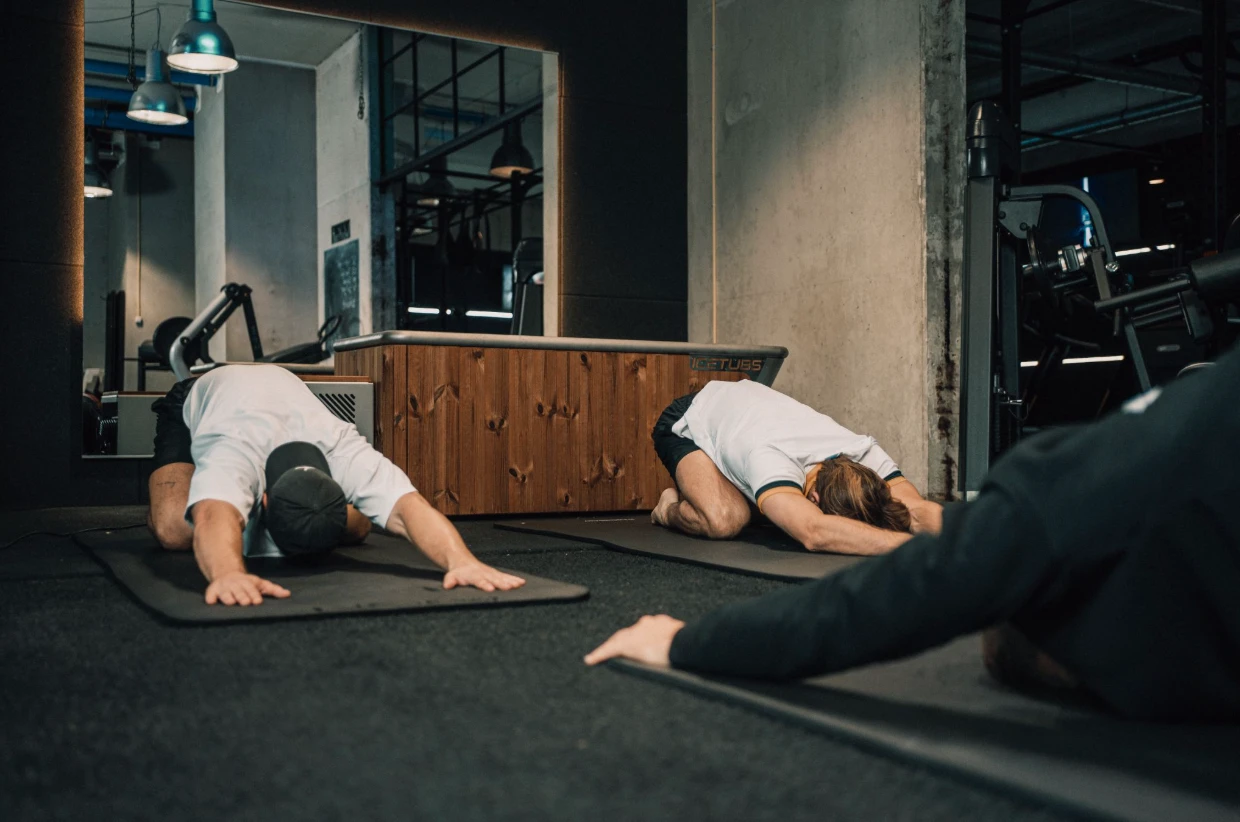
Stretching and mobility work are simple recovery tools, but they can become more useful when placed thoughtfully around cold exposure.
The two practices serve different purposes.
Mobility involves movement.
Cold exposure provides a strong thermal stimulus.
You do not need to combine them every time, but they can sit comfortably within the same broader routine.
Move Before You Chill
If mobility work is part of your post-training routine, it can make sense to complete your movement practice before entering the cold.
That gives you time to work through your normal range of motion while your body is warm.
Afterward, the cold plunge can become a separate part of the recovery routine.
The important distinction is that cold water is not a replacement for mobility work.
If you want to improve movement quality, you still need regular movement practice.
Keep Post-Plunge Movement Gentle
After a cold plunge, your body may feel temporarily stiff or less comfortable moving through larger ranges.
Icetubs' operational guidance recommends drying off, warming gradually, and using light movement such as walking or gentle exercises to help the body warm back up.
That is different from doing an intense mobility session immediately after getting out.
Think simple.
Walk.
Dress warmly.
Move naturally.
Let your body return to a comfortable temperature.
Build Around Your Training
Your training goal should determine how you combine the two.
A mobility-focused session may be better placed before cold exposure.
A recovery day may include gentle movement followed by a plunge.
A strength-focused athlete may also choose to separate cold exposure from training when preserving adaptation is a priority.
For a broader structure to build that kind of routine around, Daily Cold Plunge Routine: Beginner to Advanced is a useful reference.
There is no need for every recovery day to look identical.
Make the Plunge Easy to Repeat
Consistency becomes easier when preparation is minimal.
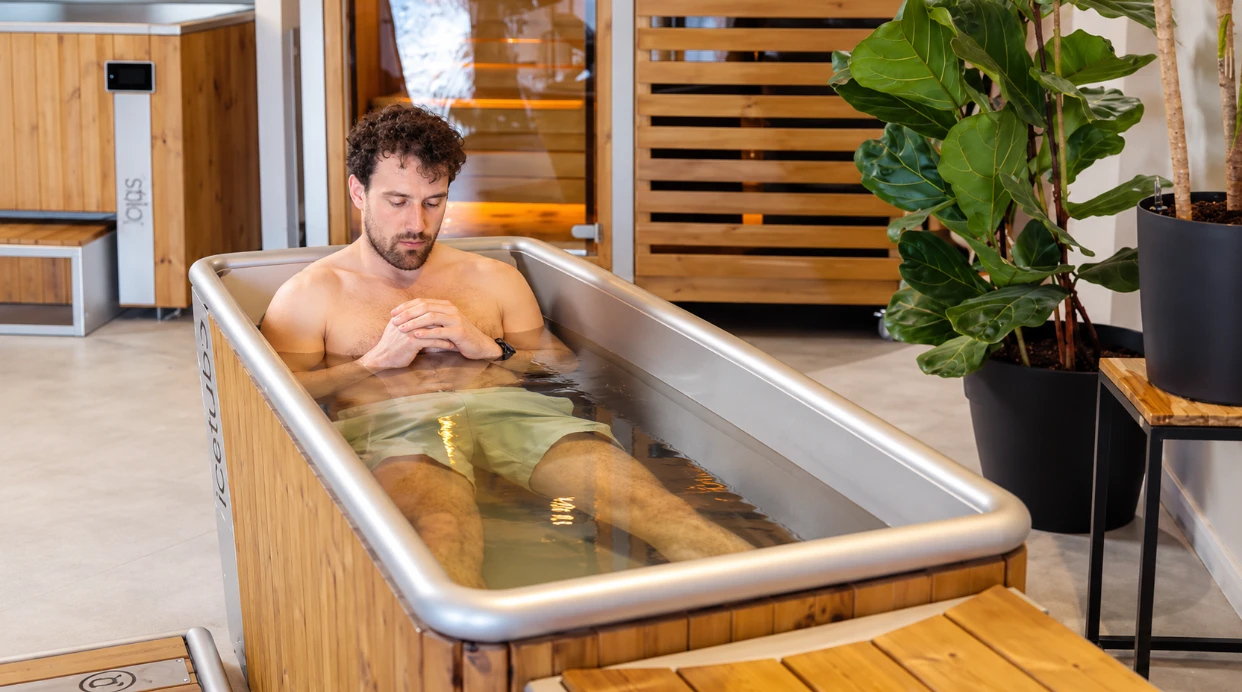
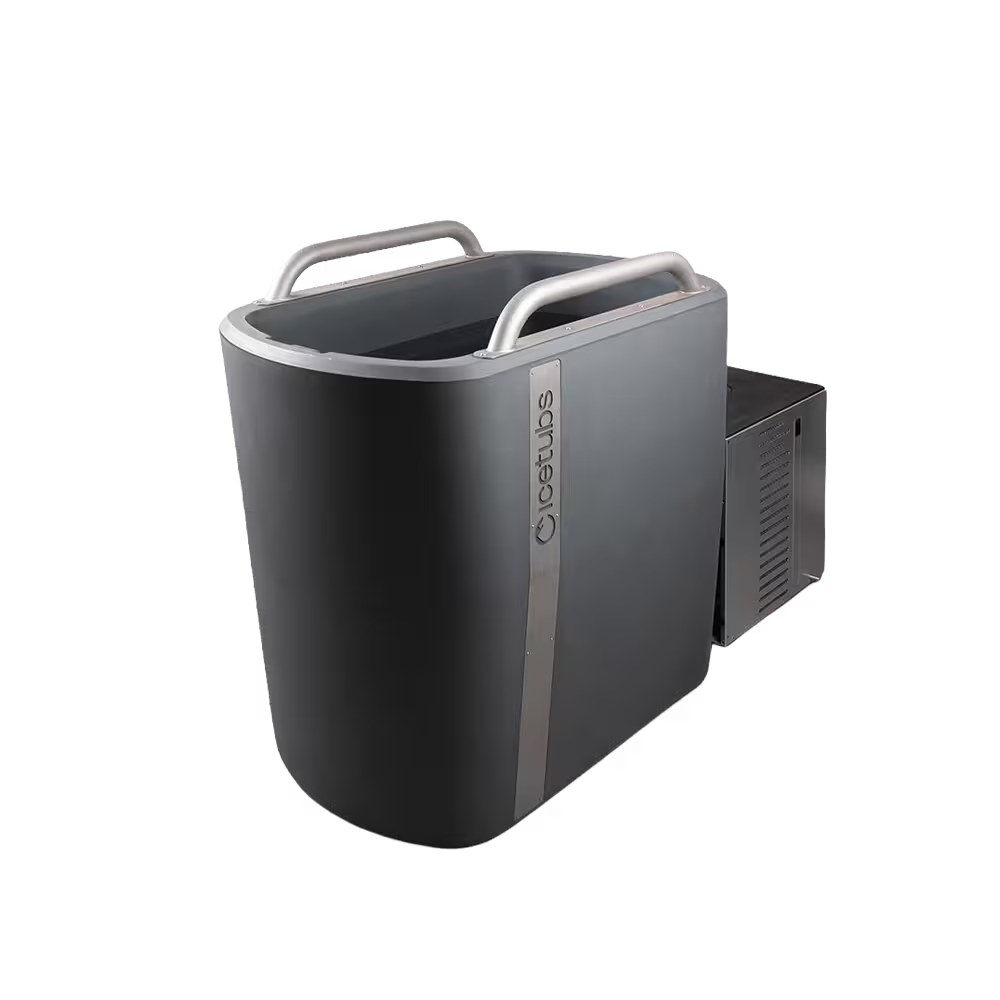
Icetubs' IceBath is designed for full-body immersion and includes controlled cooling, while the IceBarrel provides a compact upright format. Both are available in different sizes, making it easier to match the plunge to your space and preferred position.
With the water already cooled, the transition from mobility to cold exposure can be straightforward.
Keep the Routine Balanced
Mobility and cold exposure work well as separate pieces of a larger recovery strategy.
Move regularly.
Use mobility work to support movement quality.
Use cold exposure when it fits your goals.
And remember that sleep, nutrition, hydration, and sensible training remain the foundation.
A good recovery routine does not need to be complicated.
For the complete approach to combining cold therapy with other recovery practices, continue with The Recovery Stack: Building a Smarter Cold Plunge Routine.