





In this blogpost:
Sauna After a Cold Plunge: Finding the Right Contrast Routine
Explore sauna and cold plunge sequencing, timing, potential benefits, practical routines, and how to build contrast therapy without overcomplicating recovery.
Sauna and cold plunging are often treated as opposite ends of the recovery spectrum.
One surrounds you with heat.
The other immerses you in cold water.
Used together, they create what is commonly called contrast therapy.
But the question is not simply whether you should use both.
It is how to fit them into a routine that makes sense for you.
Heat and Cold Create Different Stimuli
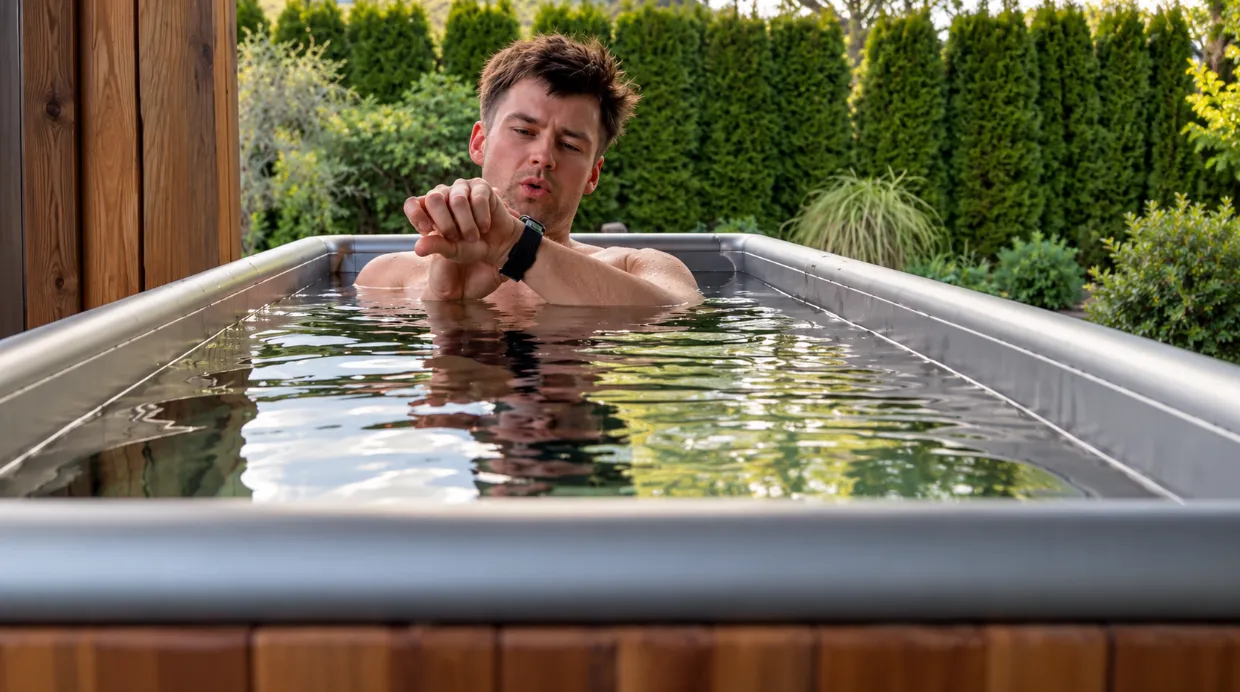
Sauna exposes the body to sustained heat, while cold-water immersion produces a rapid cooling stimulus.
That contrast is one reason the two practices are commonly paired.
The experience can also feel different from using either therapy alone.
Heat can create a relaxed, warm state.
Cold demands alertness and controlled breathing.
Alternating between them creates a distinct recovery ritual that many people enjoy.
The combination can also make the routine more engaging. Some people enjoy the clear transition between heat and cold, while others prefer using each therapy separately. There is no requirement to alternate repeatedly simply because contrast therapy is popular.
The useful question is whether the combination fits your goals and feels sustainable.
Which Comes First?
There is no single sequence that applies to every situation.
If you are using contrast therapy after training, you might begin with sauna and then finish with cold exposure.
That sequence can feel natural because you move from heat into the cold.
Another approach is to use cold first and sauna afterwards, particularly when the goal is simply to finish feeling warm and relaxed.
For a more structured look at sequencing, Contrast Therapy: Sauna and Cold Plunge Protocol walks through a practical approach.
Your training objective, comfort, and timing matter more than following a rigid sequence.
Keep the Sessions Manageable
More rounds do not automatically create a better experience.
A simple routine may be enough.
For example, you could spend a moderate amount of time in the sauna, follow it with a shorter cold exposure, and then rest.
If you are new to contrast therapy, start conservatively rather than immediately copying an advanced routine.
Give yourself time to understand how your body responds.
Make the Setup Easy to Repeat
Convenience matters if contrast therapy is going to become a regular practice.
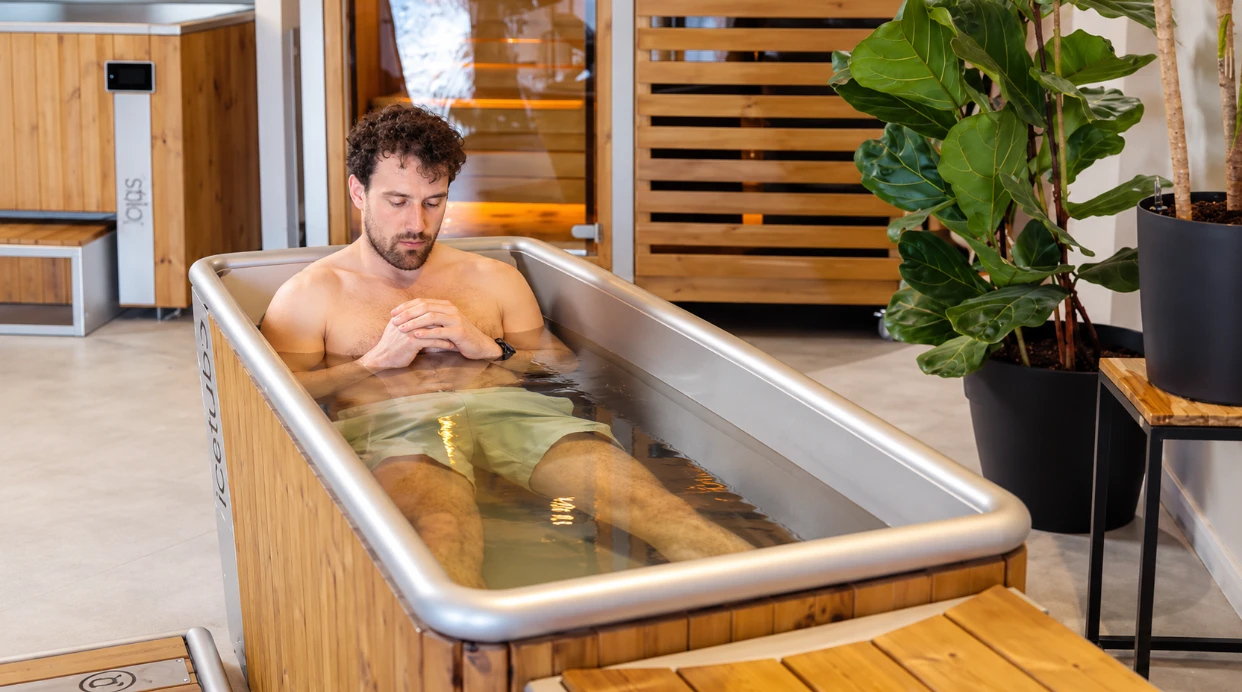
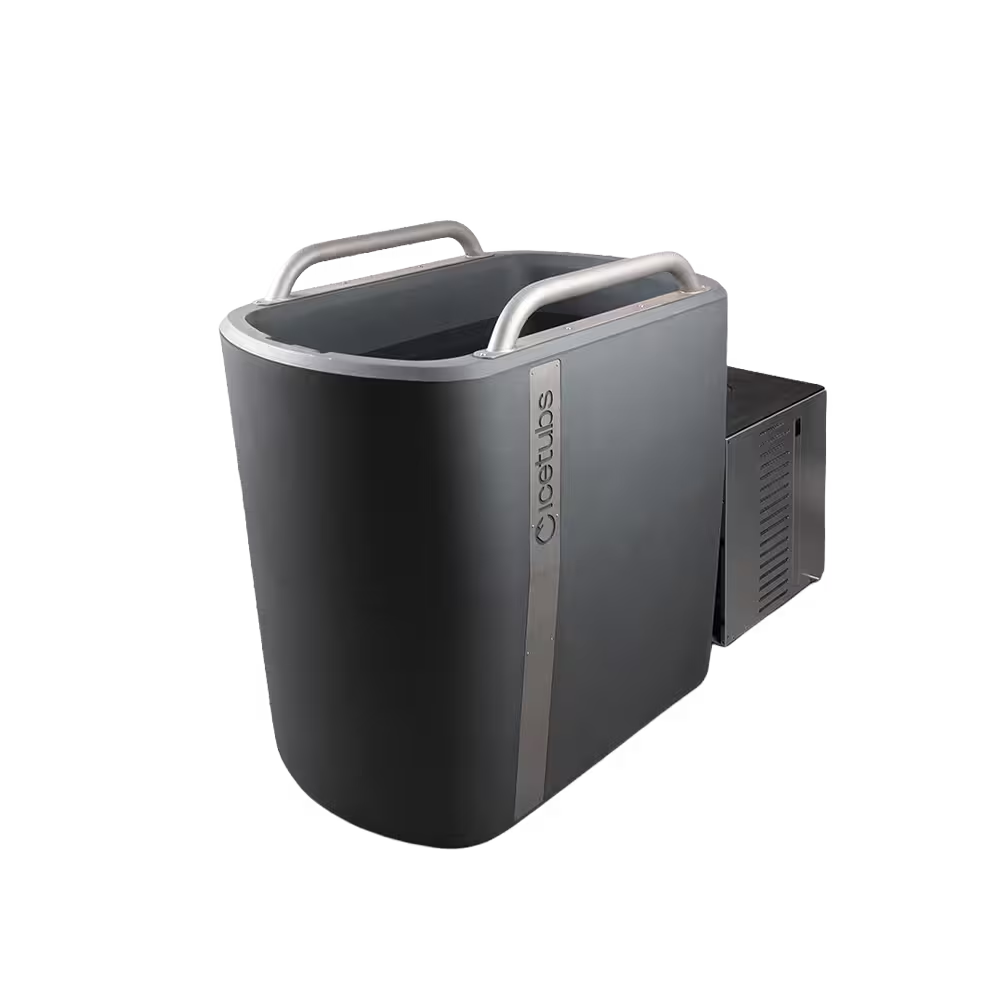
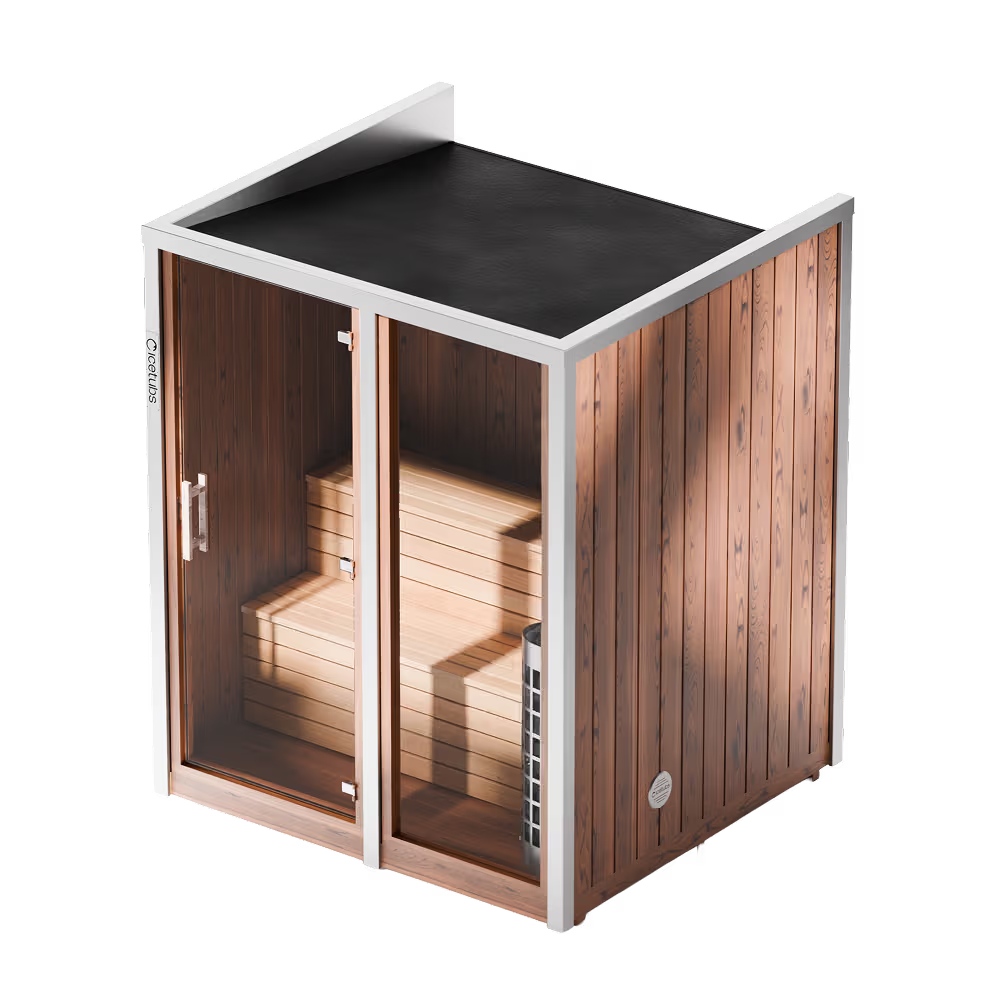
Icetubs' range includes the IceBarrel, IceBath, and Sauna 2.0, while its Contrast Bundle combines an IceBarrel with the sauna for a dedicated hot-and-cold setup.
The IceBarrel can also be upgraded with a heater, allowing water temperatures up to 38°C. Its cooling system can reach 3°C, so one setup can support both cold and warmer-water sessions.
That makes the transition between therapies more practical.
The surrounding setup matters too. Keep towels, water, and comfortable clothing nearby, particularly if the plunge and sauna are outdoors. A practical transition area can make the difference between a routine you enjoy and one that feels unnecessarily complicated.
Keep the Recovery Stack Simple
You do not need to add multiple therapies around every session.
Think about what the sauna and cold plunge are actually contributing.
Then keep the rest of your recovery routine straightforward.
Hydration, nutrition, sleep, and sensible training remain the foundation.
Contrast therapy can sit on top of that foundation rather than replacing it.
The best routine is one you enjoy enough to repeat without turning recovery into another demanding task.
For the wider recovery approach, continue with The Recovery Stack: Building a Smarter Cold Plunge Routine.