





In this blogpost:
Hydration and Cold Plunging: What You Should Know
Learn how hydration fits into a cold plunge routine, including fluids before and after sessions, training, sweating, weather, and practical recovery habits.
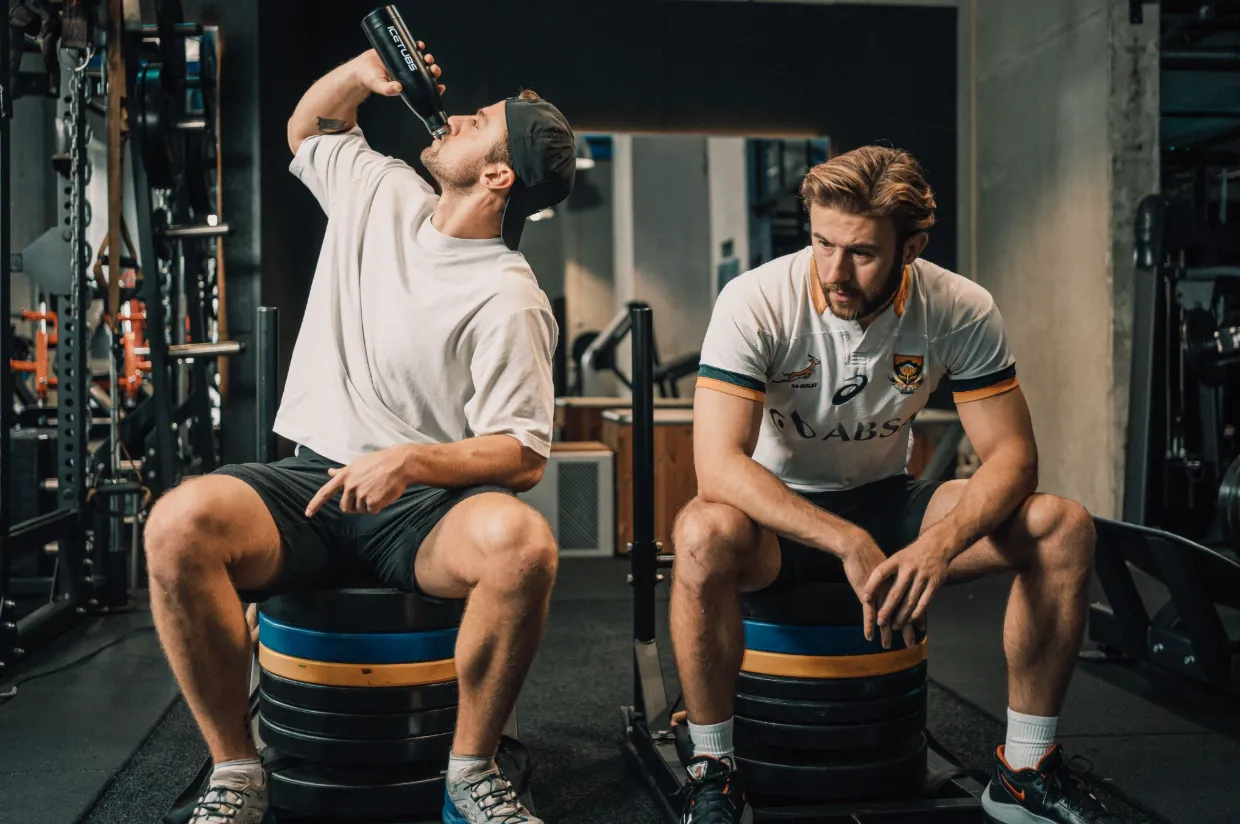
Hydration may not be the first thing you think about when getting into cold water.
But it remains part of a sensible recovery routine.
Cold exposure does not replace your normal fluid needs, and your hydration status is influenced much more by training, climate, sweat loss, and daily intake.
Start With Normal Hydration
You do not need to dramatically increase your water intake simply because you are planning a cold plunge.
Drink normally throughout the day.
If you have trained, spent time in hot weather, or sweated heavily, your fluid needs may already be higher.
In those situations, hydration deserves attention before you think about the plunge.
Cold exposure should be one part of the routine rather than the reason you suddenly change your entire hydration strategy.
Training Changes the Equation
An athlete who has completed a long run in hot weather has different hydration needs from someone taking a short morning plunge at home.
Consider the full context.
How much did you sweat?
What was the temperature?
How long did you train?
Have you eaten and drunk normally?
If heat and exertion are a regular factor for you, Cold Plunge Safety: Complete Guide to Risks and Best Practices is worth reviewing alongside this.
Those factors matter more than the plunge itself.
Keep Water Nearby
Having a bottle nearby is a simple habit.
You can drink before or after the session according to your normal needs.
There is also value in making the whole setup convenient.
Towel.
Warm clothing.
Water.
Everything you need should be within easy reach.
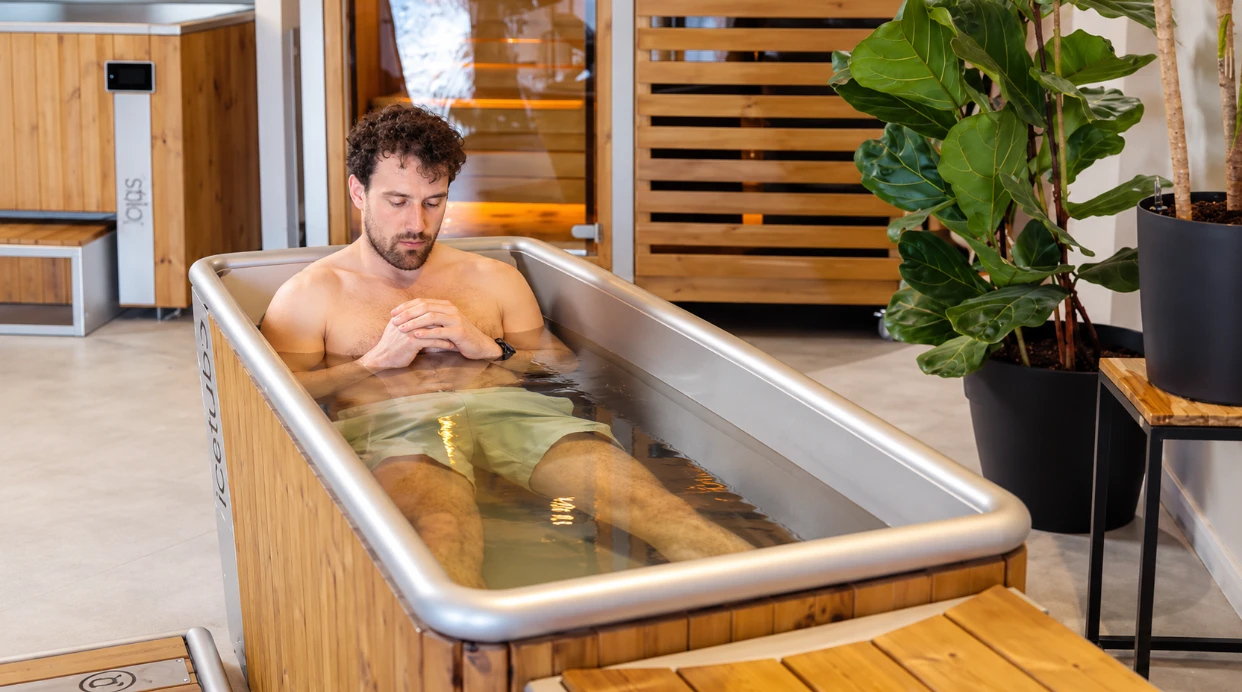
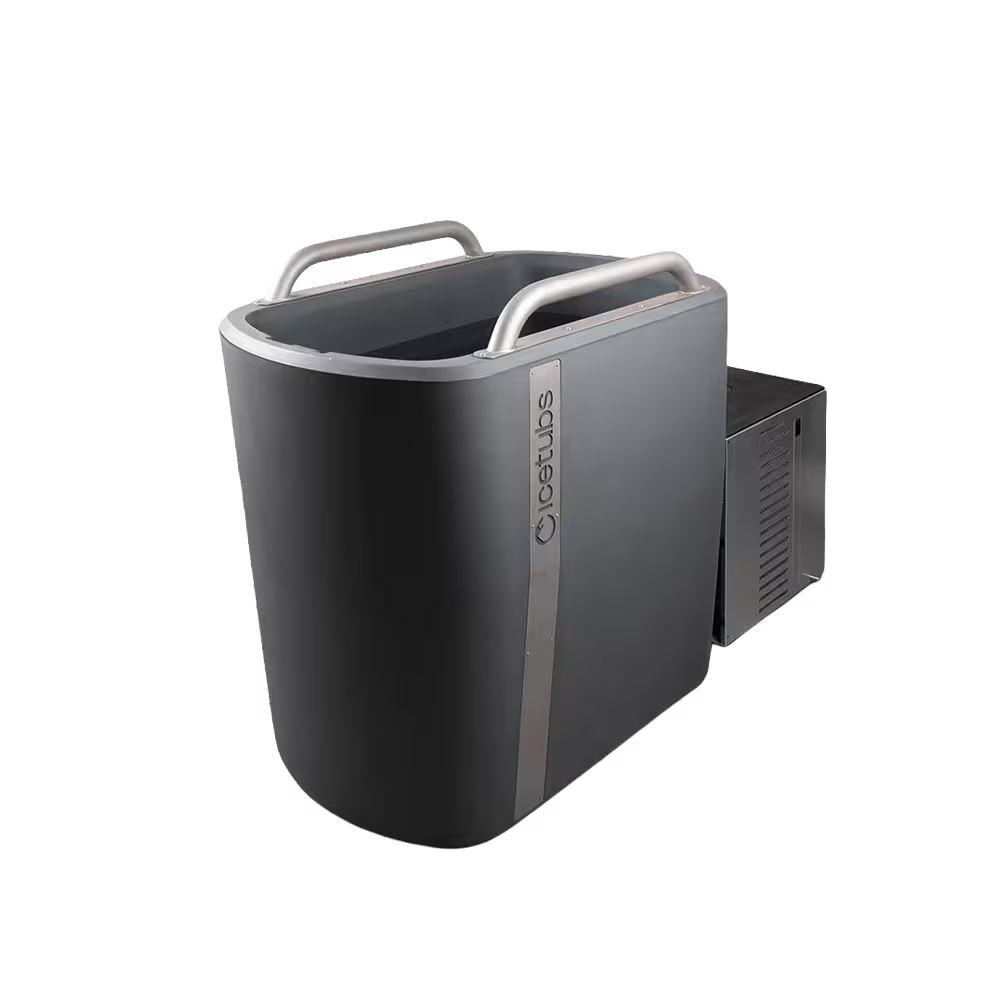
Icetubs' IceBath and IceBarrel are designed for indoor or outdoor use, so the surrounding setup can be arranged around your normal routine.
Do Not Overcomplicate It
You do not automatically need an electrolyte drink after every cold plunge.
Electrolytes can be useful when you have lost substantial fluid and sodium through sweat, particularly during prolonged exercise or hot conditions.
But a short cold exposure on an ordinary day does not create the same hydration demands as a long endurance session.
Match your hydration strategy to what you actually did.
Build Hydration Into the Whole Routine
Cold plunging works best as one component of a broader recovery strategy.
Drink enough.
Eat appropriately.
Sleep well.
Manage training load.
Then add cold exposure where it fits.
The goal is not to create a complicated hydration protocol around every plunge.
It is simply to avoid overlooking one of the fundamentals of recovery.
For the complete recovery framework, continue with The Recovery Stack: Building a Smarter Cold Plunge Routine.