





In this blogpost:
Cold Plunge and Red Light Therapy: A Useful Combination?
Explore how cold plunging and red light therapy differ, where they may complement each other, and how to build both into a practical recovery routine.
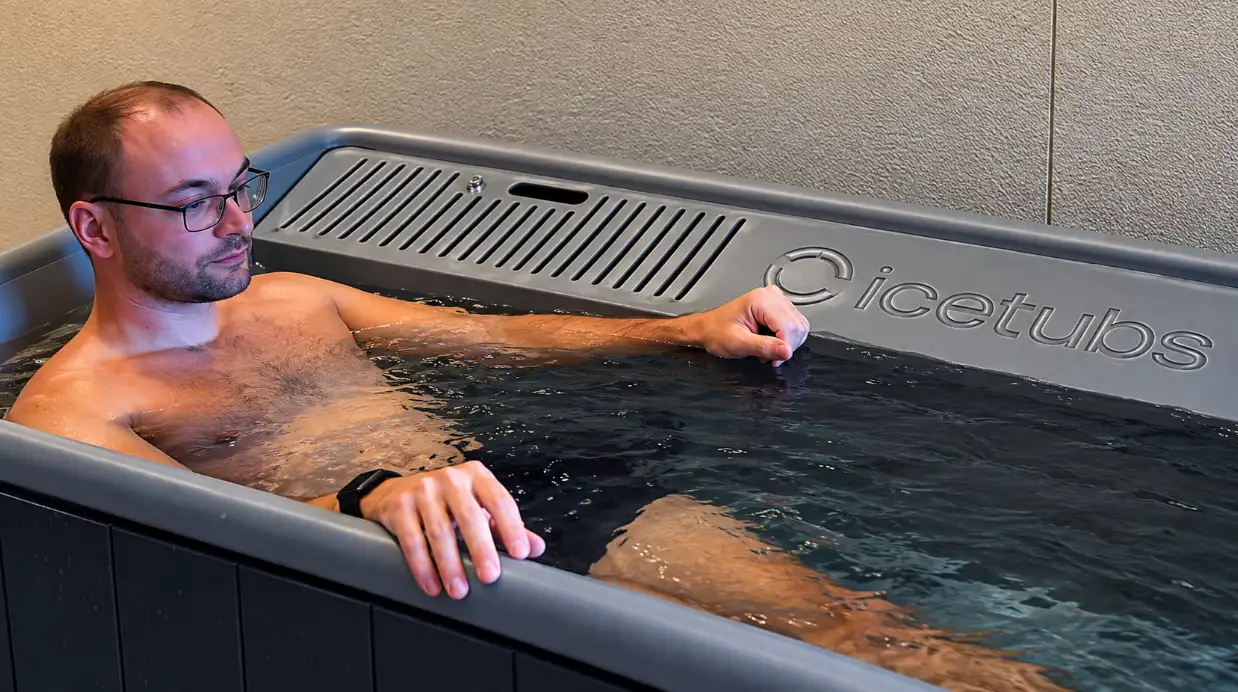
Cold plunging and red light therapy come from very different approaches to recovery.
One uses cold-water immersion.
The other uses specific wavelengths of light.
That does not necessarily mean they compete.
They can potentially occupy different places within the same wellness routine.
Two Different Recovery Tools
Cold exposure creates a strong thermal stimulus.
Red light therapy uses light, typically in red and near-infrared wavelengths, as a non-invasive treatment approach.
Because the mechanisms are different, combining them is not the same as doubling up on one therapy.
Instead, think of them as separate tools with different purposes.
The important question is what you want each one to contribute.
Red light therapy is also an area where the evidence depends heavily on the application. Research has examined different wavelengths, exposure times, and outcomes, so broad claims about “recovery” can oversimplify what the evidence actually shows.
Cold exposure has its own distinct physiological effects.
Keeping those two categories separate helps you set more realistic expectations.
Timing Does Not Need to Be Complicated
There is no universally established sequence that requires everyone to use red light before or after cold exposure.
If you already have a red light routine, you can keep it separate from your plunge.
For example, red light might fit into a morning wellness routine while cold exposure happens after training.
Alternatively, you may prefer combining them within the same recovery session.
The practical choice is the one that fits your schedule.
Avoid Turning Recovery Into a Checklist
It is easy to accumulate wellness tools.
Cold plunge.
Red light.
Sauna.
Compression.
Massage.
Supplements.
The list can quickly become longer than the actual workout.
Instead, ask whether each element has a clear purpose.
If red light is part of your routine, use it consistently enough to evaluate your experience.
If cold exposure is your main recovery tool, it does not need to become more complicated simply because another therapy exists.
Build Around Convenience
A repeatable setup makes any wellness habit easier.
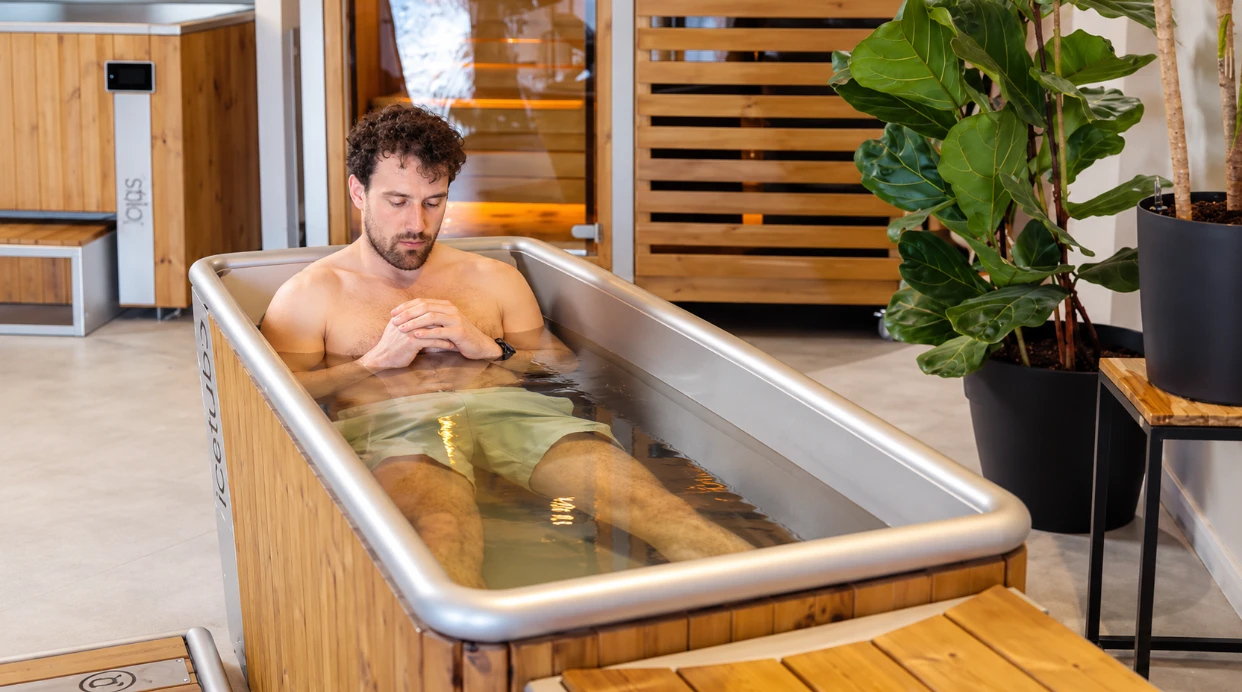
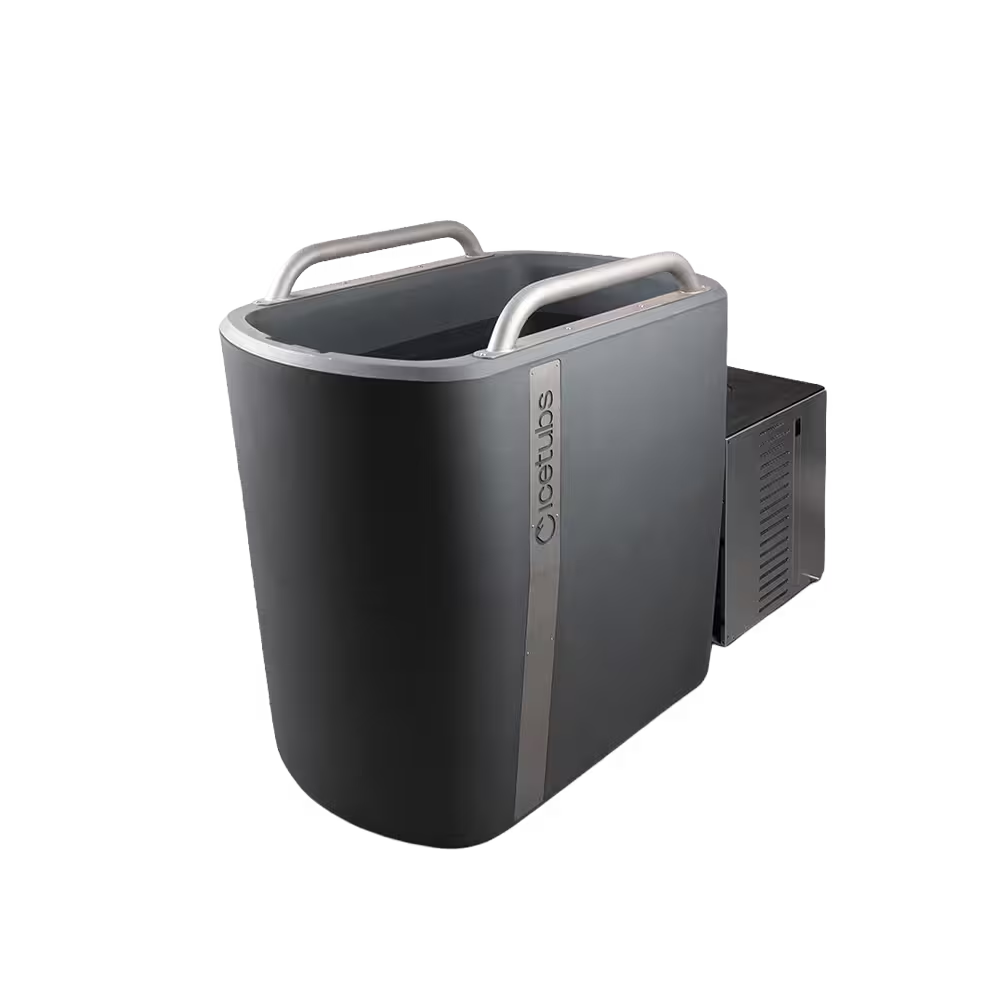
Icetubs' systems provide controlled cold water without requiring fresh ice before every session. Compatible models also offer app and Wi-Fi control, scheduling, and temperature management.
That can make it easier to position cold exposure alongside other practices.
You could use red light while preparing for the day, plunge after training, or create a dedicated evening wellness routine.
The technology should support the habit, not dictate it.
If you want a broader sense of how to structure that kind of routine, Cold Plunge Methods and Routines: Complete Practice Guide is a useful starting point.
It can also help to separate the therapies when you are testing them. If you introduce both at the same time, it becomes harder to understand which part of the routine is affecting how you feel.
Keep Expectations Realistic
Research on red light therapy continues to examine different applications, doses, wavelengths, and treatment protocols.
That makes broad claims about combining it with cold exposure premature.
The sensible approach is to treat them as complementary tools rather than assuming that combining them automatically produces a greater effect.
Cold exposure has its own established physiological response.
Red light therapy has its own research base.
You can evaluate each on its own terms.
Build the Stack Around You
A useful recovery routine does not need to include every popular therapy.
If you enjoy red light therapy and cold plunging, there is no reason they cannot coexist.
Keep the protocols practical.
Track how you respond.
And give each tool a clear place in the routine.
The goal is not to build the most complicated recovery stack.
It is to build one you can actually maintain.
For the complete framework, continue with The Recovery Stack: Building a Smarter Cold Plunge Routine.