





In this blogpost:
Cold Plunge and Compression Therapy: How to Combine Them
Explore how cold plunging and compression therapy can fit into the same recovery routine, including timing, practical use, training, and keeping the stack simple.
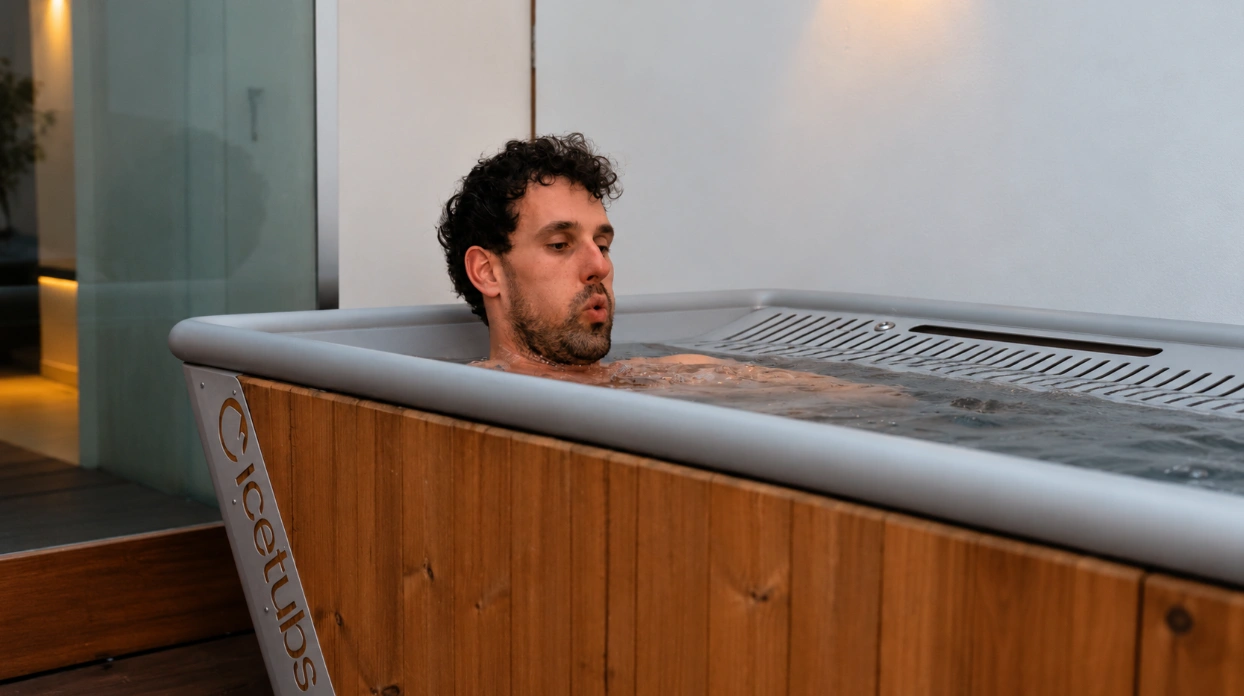
Cold plunging and compression therapy are both popular additions to recovery routines, but they work in very different ways.
Cold exposure uses temperature as the main stimulus.
Compression therapy uses controlled pressure around the limbs.
That makes them interesting complementary tools rather than two versions of the same treatment.
Give Each Tool a Clear Role
Cold plunging is often used around demanding training sessions when soreness or fatigue is part of the recovery challenge.
Compression therapy is commonly used as a separate recovery modality, particularly for the legs after running, cycling, travel, or prolonged periods of standing.
You do not necessarily need both every time.
The better approach is to decide what your recovery session actually needs.
If your legs feel heavy after a long training session, compression may be useful as part of the routine.
If cold exposure is already a familiar part of your recovery practice, the plunge can remain the main intervention.
Timing Does Not Need to Be Complicated
There is no universal sequence that requires compression before or after cold exposure.
You could use compression separately later in the day.
You could also create a longer recovery session where one follows the other.
If you combine them, avoid making the routine so long that recovery itself becomes tiring.
A simple sequence is often easier to maintain.
It is also useful to consider your training goal. If you are prioritising strength and muscle adaptation, frequent post-exercise cold exposure may not always align with that goal. Cold can reduce soreness, but some research suggests that immediate post-exercise immersion can influence training adaptations.
This trade-off is covered in more depth in Cold Plunges and Muscle Growth: What You Need to Know.
That makes context more important than simply adding more recovery tools.
Keep Cold Exposure Convenient
The easier a recovery tool is to access, the more practical it becomes.
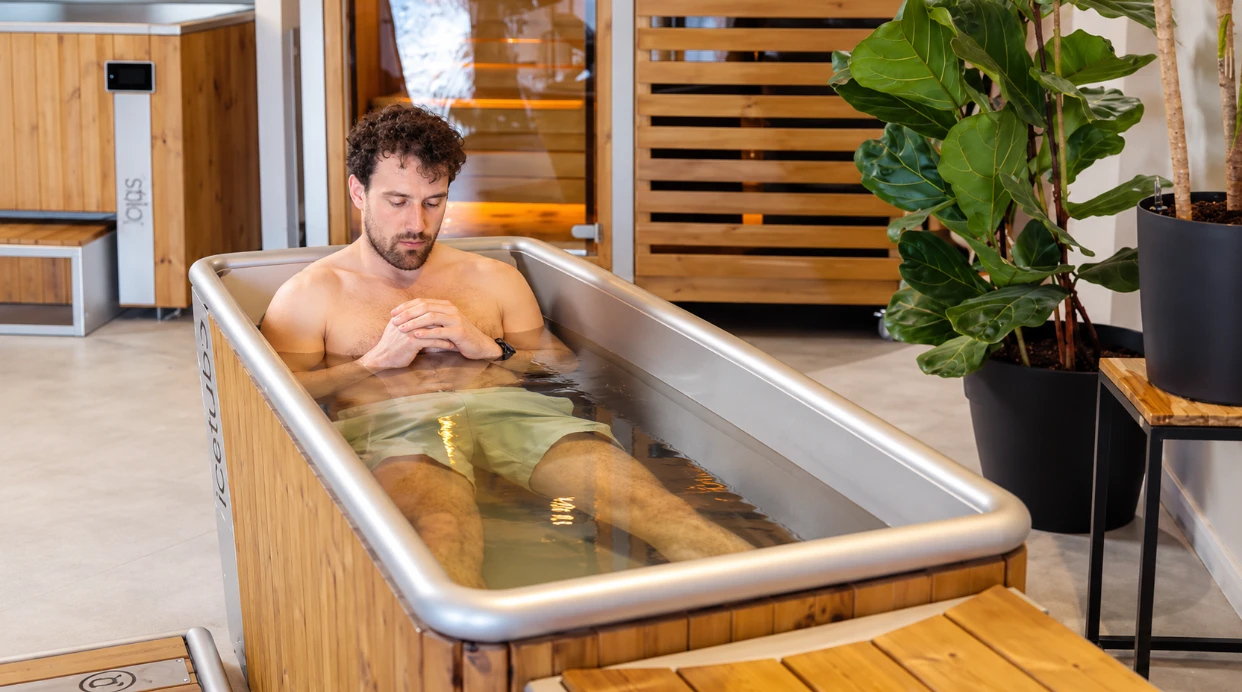
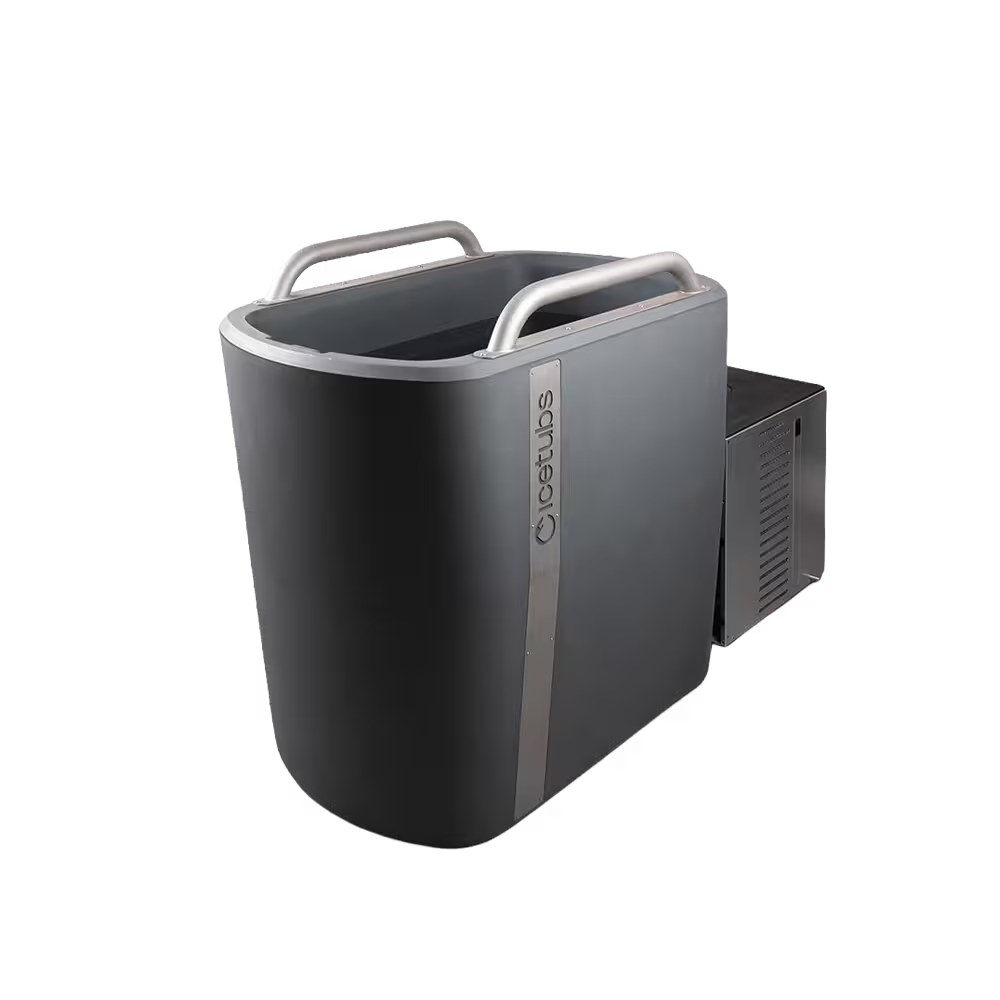
Icetubs' IceBath provides a spacious reclined format for full-body immersion, while the IceBarrel offers a more compact upright option. Both use dedicated cooling rather than requiring fresh ice before every session.
That can make cold exposure easier to fit around a compression session, workout, or normal daily routine.
You can also use app control and scheduling on compatible Icetubs models to have the water ready when you need it.
Build a Stack You Will Actually Use
Compression therapy and cold exposure can coexist, but they do not need to become mandatory parts of every recovery day.
Start with the fundamentals:
- Sleep
- Hydration
- Nutrition
- Appropriate training load
- Movement and mobility
Then add cold exposure or compression where they genuinely support your routine.
A good recovery stack should make your training lifestyle easier to manage, not create another checklist you feel obligated to complete.
For the broader framework, continue with The Recovery Stack: Building a Smarter Cold Plunge Routine.