





In this blogpost:
How Cold Plunge Water Pumps Work in a Chiller Setup
Learn how cold plunge water pumps work, including circulation, flow rate, filtration, chiller connection, placement, maintenance, and common setup issues.

A cold plunge water pump does not usually get much attention.
The chiller gets the spotlight because it makes the water cold. The controller gets noticed because it shows the temperature. The tub gets attention because it is what you step into.
But the pump is what keeps the system moving.
Without good water movement, cooling becomes slower, filtration becomes weaker, and the water may not feel evenly chilled.
What the Pump Does
The pump moves water through the system.
In a typical cold plunge setup, water leaves the tub, moves through tubing, passes through a filter or chiller, and returns to the tub. This circulation helps the water cool more evenly and supports cleaner daily use.
If the pump is weak, blocked, or badly matched to the setup, the system may still run, but performance can suffer.
Cold water works better when water keeps moving.
Why Flow Rate Matters
Flow rate describes how much water the pump can move over time.
If flow is too low, the chiller may not cool efficiently. The water may also feel uneven, with some areas colder than others. If flow is too high for the setup, it may create unnecessary strain, noise, or turbulence.
The goal is balance.
Pump, tubing, filter, chiller, and tub size should all work together.
Pumps Support Filtration
A filter only works when water moves through it.
The pump helps pull water through the filter, where small particles can be captured. This can include hair, dust, skin residue, and other debris that builds up through regular use.
If the filter becomes clogged, flow can drop.
That may make the chiller work harder and reduce overall performance. Regular filter care is part of keeping the pump system healthy.
Placement Affects Performance
A pump needs practical placement.
It should sit where it can move water efficiently without creating trip hazards, awkward tubing angles, or splash problems. Tubing should be as clean and direct as possible.
Avoid tight bends, crushed hoses, and connections that are likely to leak.
A messy setup may still function, but it becomes harder to inspect, clean, and trust.
Listen for Changes
Pump problems often show up as small changes.
The water may stop circulating well. The chiller may cool more slowly. You may hear unusual noise, vibration, or air in the line. Flow may weaken after the filter gets dirty.
Do not ignore these signs.
A small pump issue can affect the whole cold plunge system.
Integrated Systems Reduce Matching Work
In a DIY setup, you may need to match the pump, tubing, chiller, and filter yourself.
That can work, but it takes more planning. If one part is wrong, the whole setup may feel less reliable.
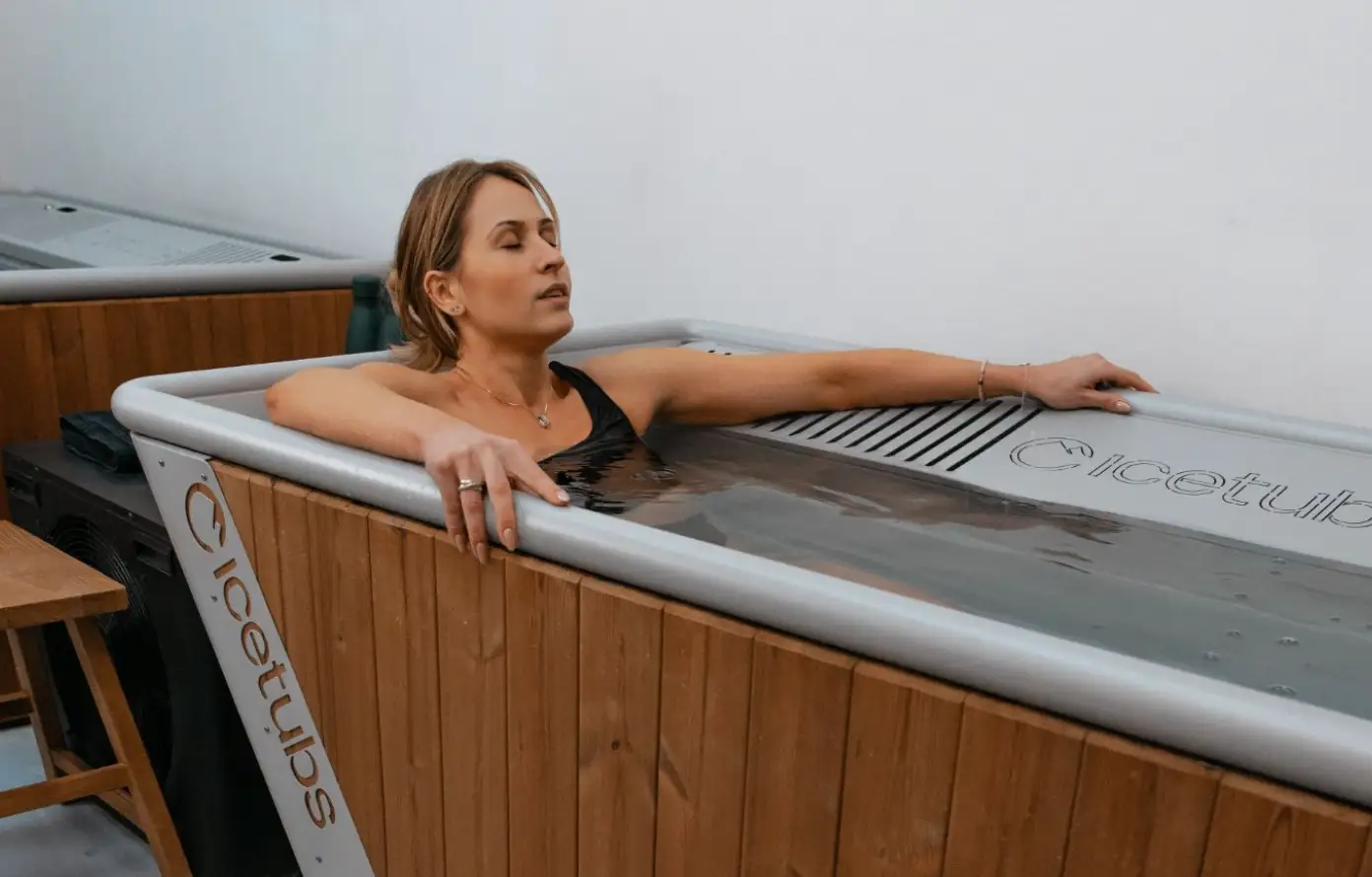
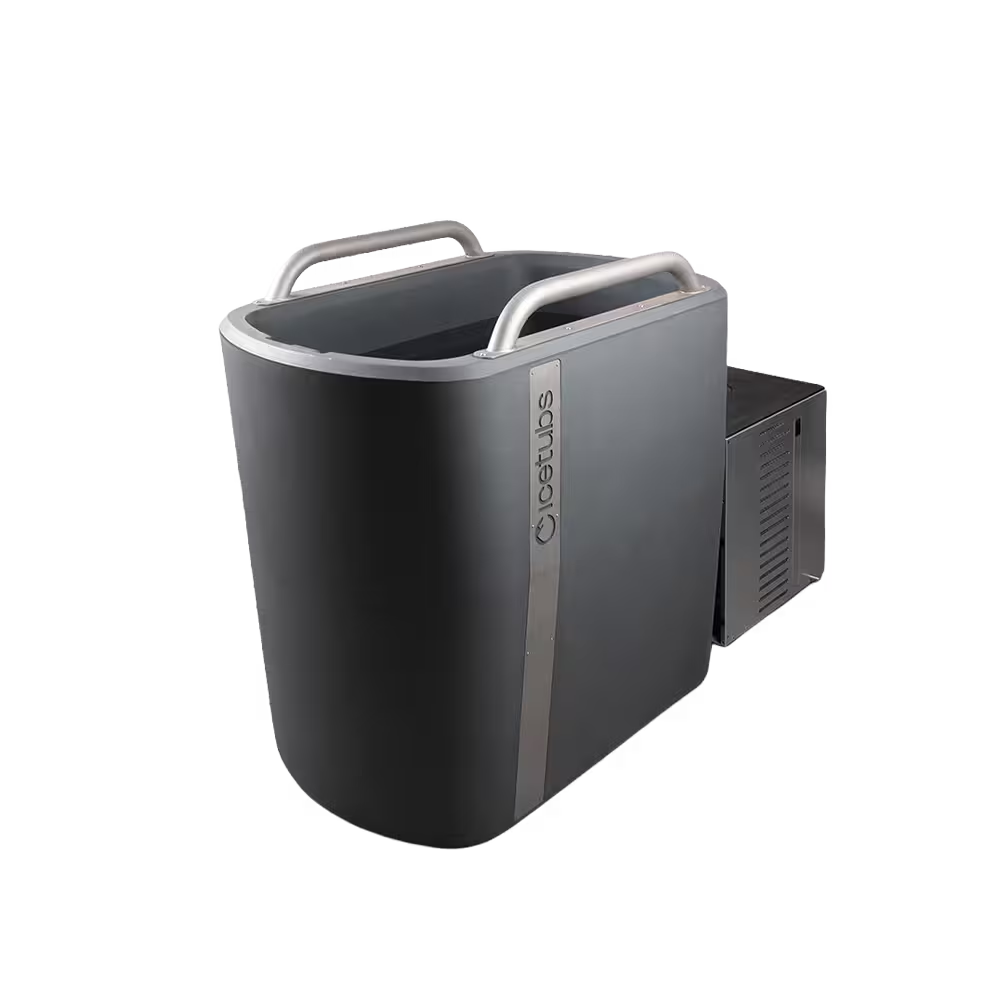
Icetubs already connects circulation, filtration, and temperature control inside a purpose-built system, which helps make the water movement part of the routine rather than a separate project.
This can be useful if you want cold plunging to feel ready, not constantly adjusted.
Keep the Water Moving Well
A pump is not just an accessory.
It is part of the system that helps cooling, cleaning, and consistency work together.
Choose the right flow. Keep filters clean. Watch for leaks. Avoid blocked tubing. Listen for changes. Make sure the pump has a stable place in the setup.
For more on how pumps, chillers, controllers, and sanitation connect, explore Cold Plunge Chillers: Complete Buyer’s & Setup Guide.