





In this blogpost:
Can Cold Plunging Help With Anxiety? What You Should Know
Can cold plunging help with anxiety? Explore how cold exposure may affect stress, breathing, focus, and the nervous system without replacing professional care.
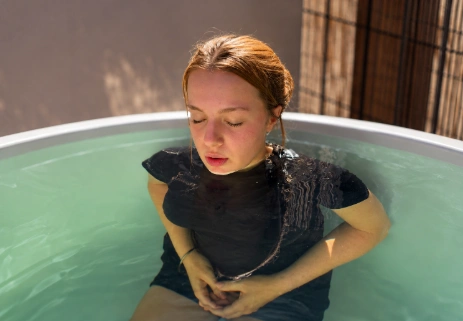
Cold plunging can feel like the opposite of relaxation.
You step into cold water.
Your breathing changes.
Your heart rate rises.
Your attention locks onto one thing: getting through the moment.
So why do some people find the experience calming afterwards?
The answer has less to do with eliminating anxiety, and more to do with learning how to respond to an intense physical sensation.
Why Cold Feels So Intense
Cold water activates your body's stress response.
Your breathing quickens.
Your muscles tense.
Your nervous system becomes highly alert.
That initial reaction can feel uncomfortable, especially when you are new to cold exposure.
But the experience is temporary. You know why your body is reacting, and you have a clear way to respond: slow your breathing, stay present, let the intensity settle. As you regain control and remain in the water, the response begins to feel more manageable. You are not trying to make the cold disappear. You are practising how to stay composed while your body experiences something uncomfortable.
Cold Brings You Into the Present
Anxiety often pulls your attention towards things that have not happened yet.
Cold water gives you something immediate to focus on.
Your breath.
The sensation on your skin.
Whether your shoulders are tense.
For a few minutes, there is much less room for your mind to wander. This grounding quality is one reason cold exposure fits naturally into a broader mental wellness routine.
Can It Actually Reduce Anxiety?
The evidence is still developing.
Cold-water immersion has been studied for stress and psychological wellbeing, but there is not enough evidence to call cold plunging a proven treatment for anxiety disorders.
A practice can feel grounding without being a medical treatment. If anxiety is persistent, severe, or interfering with your daily life, professional support should remain the priority.
If you want a deeper dive into breath-led cold exposure specifically for anxiety, our guide to Cold Plunge for Anxiety and Stress: A Breath-Led Reset walks through it in more detail.
Building a Sustainable Practice
Your first instinct may be to tense up when you enter cold water. Instead, focus on your breathing: slow, controlled breaths, and consciously relax whatever is tightening.
This does not mean forcing yourself to stay in the water if you feel unwell. The goal is familiarity, not endurance, and over time the breathing pattern itself becomes part of the ritual.
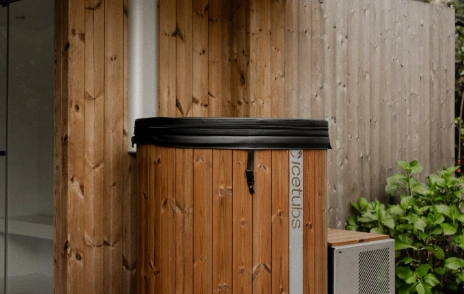
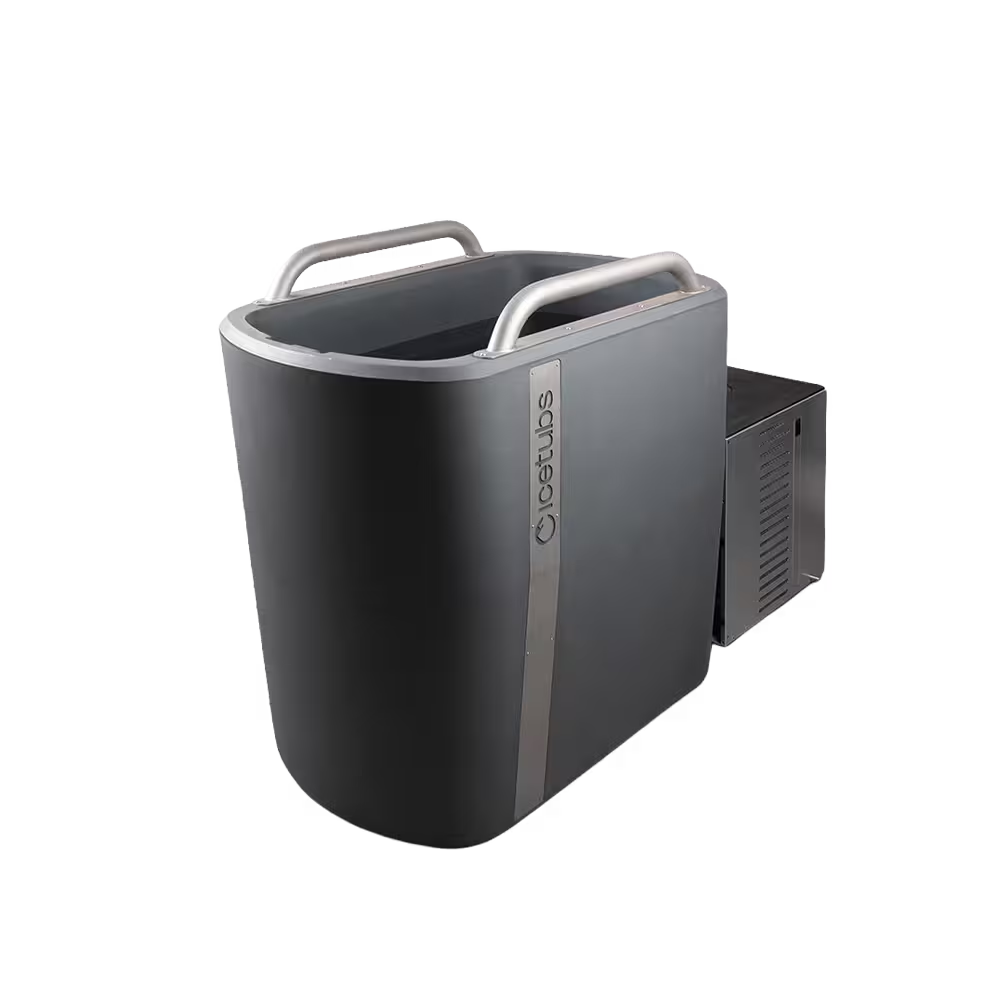
A cold plunge is also easier to return to when you do not have to prepare everything from scratch. Icetubs gives you a controlled cold plunge environment, with temperature managed through the system rather than requiring an ice bath every time — which makes the practice feel less like an occasional challenge and more like a familiar part of your day.
You do not need the coldest temperature.
The longest session.
To plunge every day.
Some days you will feel ready for cold exposure. Other days, a walk, meditation, or quiet time will serve you better. Cold exposure is one tool among many — use it as part of a wider approach to wellbeing, not a solution on its own.
For a broader look at how cold exposure may support your mental wellbeing, continue with Cold Plunge for Mental Wellbeing: How Cold Therapy May Help