





In this blogpost:
Is Colder Really Better? Rethinking Cold Plunge Temperature
Does colder mean better in a cold plunge? Learn how temperature affects your exposure and why the right setting depends on your goal, experience, and routine.
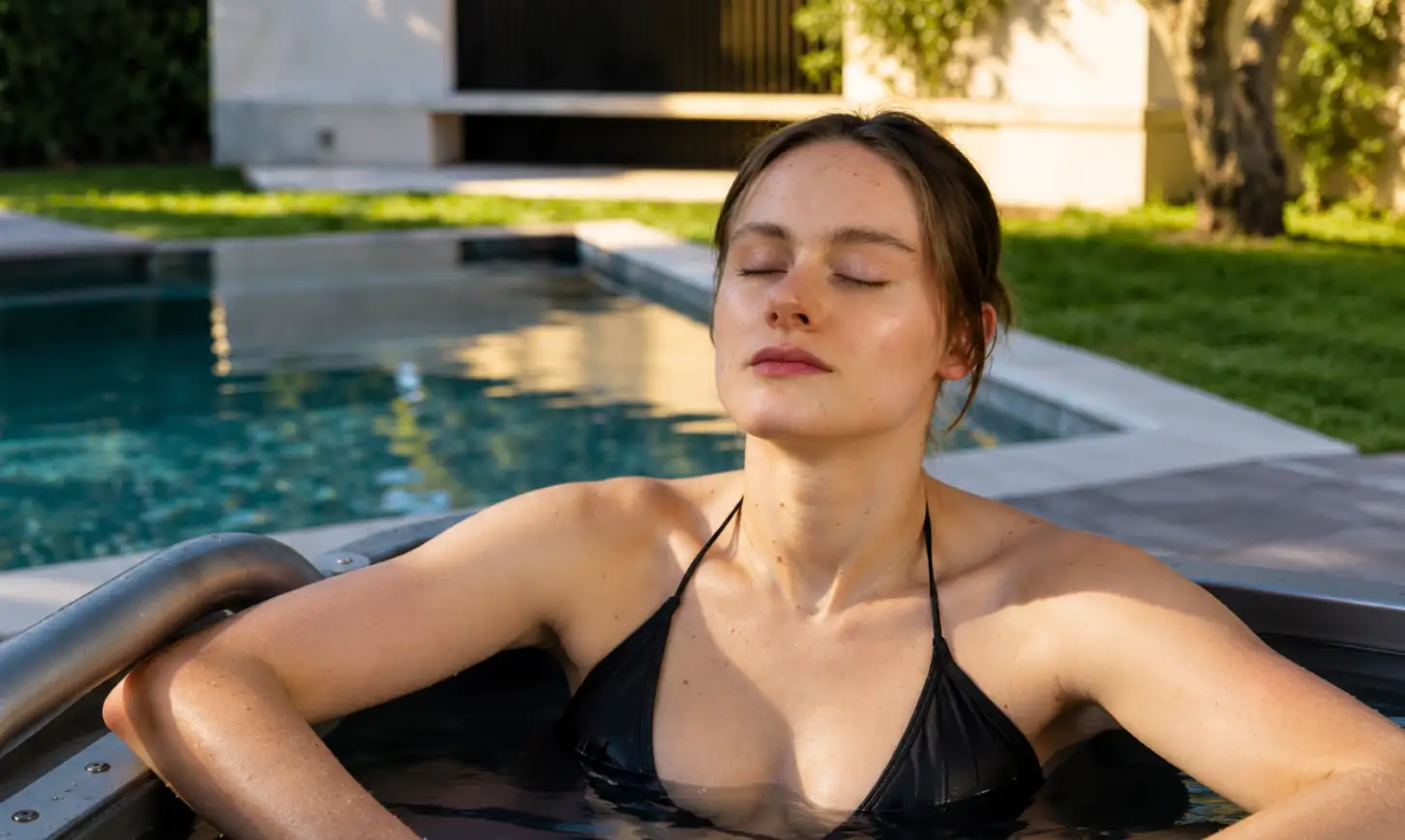
Cold plunge culture can make temperature feel like a competition.
The lower the number, the tougher the session.
But cold exposure is not a test of how much discomfort you can tolerate.
Temperature is a tool.
And the right setting depends on what you are trying to achieve.
The Numbers Tell Only Part of the Story
A cold plunge at 10°C does not automatically produce a better outcome than one at 15°C.
Your body responds to the entire exposure.
Temperature.
Duration.
Immersion depth.
Timing.
Your own physiology.
That is why comparing sessions using temperature alone can be misleading.
What Research Shows
The 2026 systematic review and network meta-analysis “Cold water immersion protocol optimization across exercise modalities” by Tongwu Yu and colleagues examined different temperatures and durations across resistance training, endurance exercise, and team sport applications.
The findings support a more nuanced approach rather than one universally superior temperature.
The important point is that protocol matters.
Colder Can Mean More Stress
Lower temperatures generally create a stronger immediate cold stimulus.
Your breathing may become more difficult to control.
Your body reacts more intensely.
That may be appropriate in some situations, but it is not automatically more useful.
If you are constantly chasing lower temperatures, you can turn a wellness practice into an unnecessary test.
Your Goal Comes First
If your priority is post-exercise recovery, your protocol may differ from someone using cold exposure as a morning routine.
If you are new to cold exposure, your priorities may be different again.
The best temperature is therefore the one that supports your intended use while remaining manageable.
Duration Matters Too
Temperature cannot be separated from time.
A moderately cold session lasting several minutes creates a different exposure from a much colder session lasting the same amount of time.
Likewise, a short exposure at a lower temperature is not directly comparable with a long exposure at a higher temperature.
Think in terms of the complete protocol.
Consistency Beats Extremes
A temperature you can use consistently may be more useful than one that makes every session feel like an event.
That is particularly relevant if you want cold exposure to become part of your normal routine.
You should be able to get in, regulate your response, complete the session, and continue with your day.
Icetubs Gives You Control
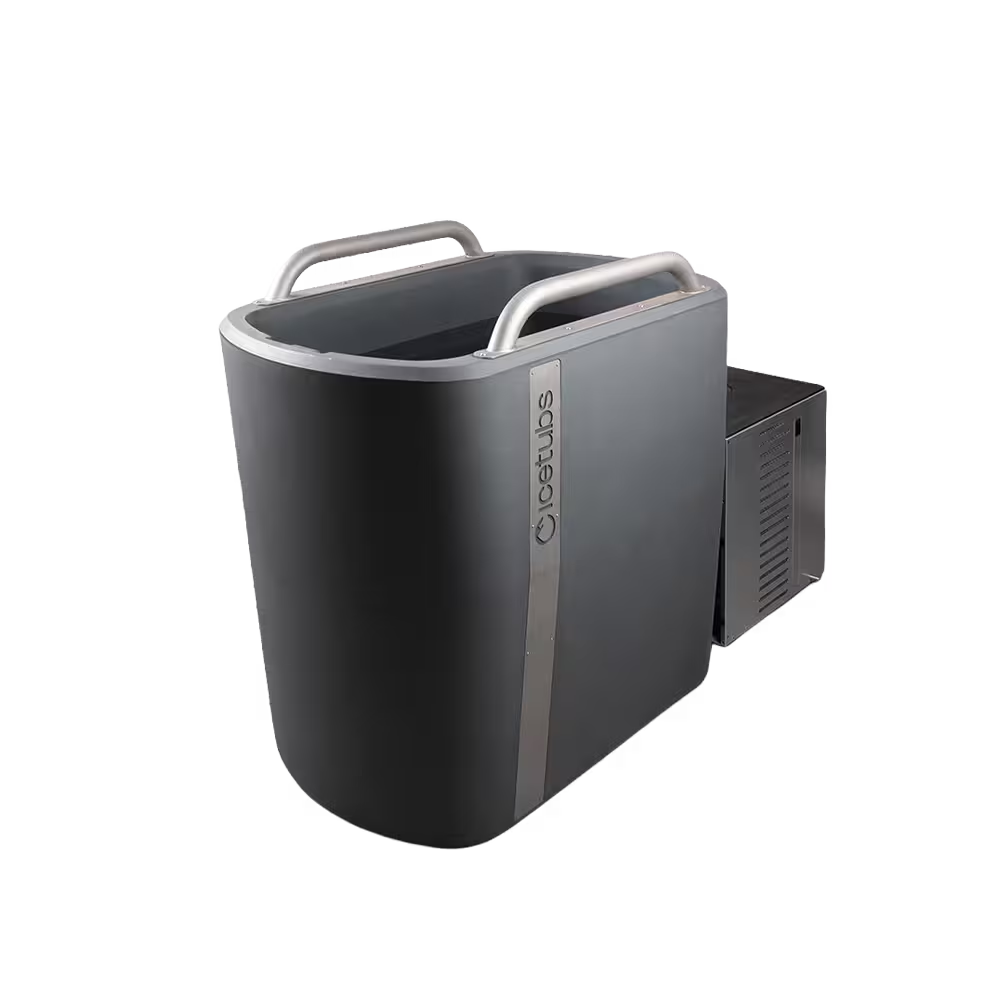
The Icetubs Engine lets you set and hold the water temperature rather than relying on whatever temperature your ice happens to produce.
That gives you the ability to keep your exposure consistent and adjust it when your goals or preferences change, an idea covered further in Ideal Cold Plunge Temperature for Beginners.
The number on the display should support the routine.
It should not become the goal itself.
Stop Chasing the Lowest Number
Cold plunging does not need to be a competition.
You do not need to match someone else's temperature.
You do not need to keep lowering the setting.
You do not need to prove that you can tolerate more.
The most useful exposure is the one that works for you.
Find Your Sweet Spot
Instead of asking how cold you can go, ask a better question:
What temperature gives you the experience you actually want?
That shift takes the focus away from extremes and back towards purpose.
For a broader look at temperature, frequency, duration, recovery, and the evidence behind cold exposure, continue with Cold Plunge Myths and Facts: What the Science Really Says