





In this blogpost:
Cold Plunge for Mental Wellbeing: How Cold Therapy May Help
Explore how cold plunging may support mental wellbeing, from stress and mood to focus, resilience, emotional regulation, and everyday wellness routines.

Mental wellbeing is not only about feeling good.
It is about how you respond when life becomes demanding.
About whether you can create a moment where your mind feels clear again.
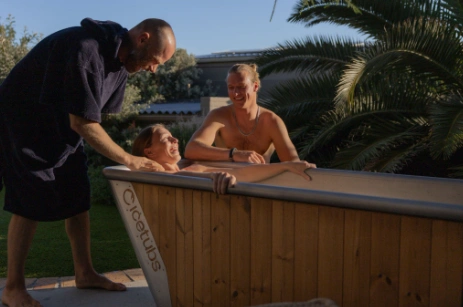
Cold plunging has become one of the simplest ways to build that moment into a routine. You enter the water, your body reacts immediately, and your attention shifts almost entirely to what is happening right now.
That physical response is exactly why cold water therapy has become so interesting from a mental wellness perspective.
Why Does Cold Affect Your Mind?
Cold water creates an immediate stress response.
Your breathing changes. Your heart rate rises. Your sympathetic nervous system switches on.
For a few moments, it is difficult to think about anything else. You have one job: breathe, stay present, manage the sensation.
That forced focus is what makes a cold plunge feel like a mental reset — not because your problems disappear, but because your attention simply moves away from them.
This is part of why stress is one of the most common reasons people turn to cold exposure in the first place. A cold plunge deliberately creates a short, controlled physical stressor: you experience discomfort, regulate your response, and step back into a normal environment. Research into cold-water immersion has found that perceived stress may decrease after exposure, though the timing matters. A 2025 systematic review by Cain et al., published in PLOS ONE, found a reduction in stress around 12 hours after cold-water immersion, rather than an immediate effect. Cold exposure does not instantly switch stress off. It creates a response your body then has to regulate.
For a wider look at the research, see Does Cold Water Therapy Improve Mental Health?.
What About Mood?
Many people describe feeling energised, more positive, after cold exposure.
Part of that experience may come from the activation of the nervous system and the sense of accomplishment that follows a difficult session.
A 2023 study by Reed et al., published in the Journal of Thermal Biology, examined a 15-minute immersion at 10°C in 16 healthy adults and found lower negative affect three hours after the session, though positive affect did not significantly change.
That does not mean every cold plunge will automatically lift your mood. It depends on the person, the exposure, and the circumstances around it.
Mental Clarity and Resilience
A cold plunge demands your attention.
When the water feels intensely cold, distractions become less important. You notice your breathing. Your body position. The physical sensation itself.
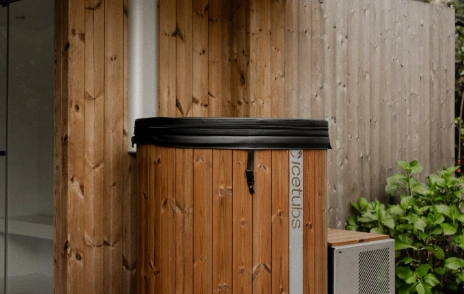
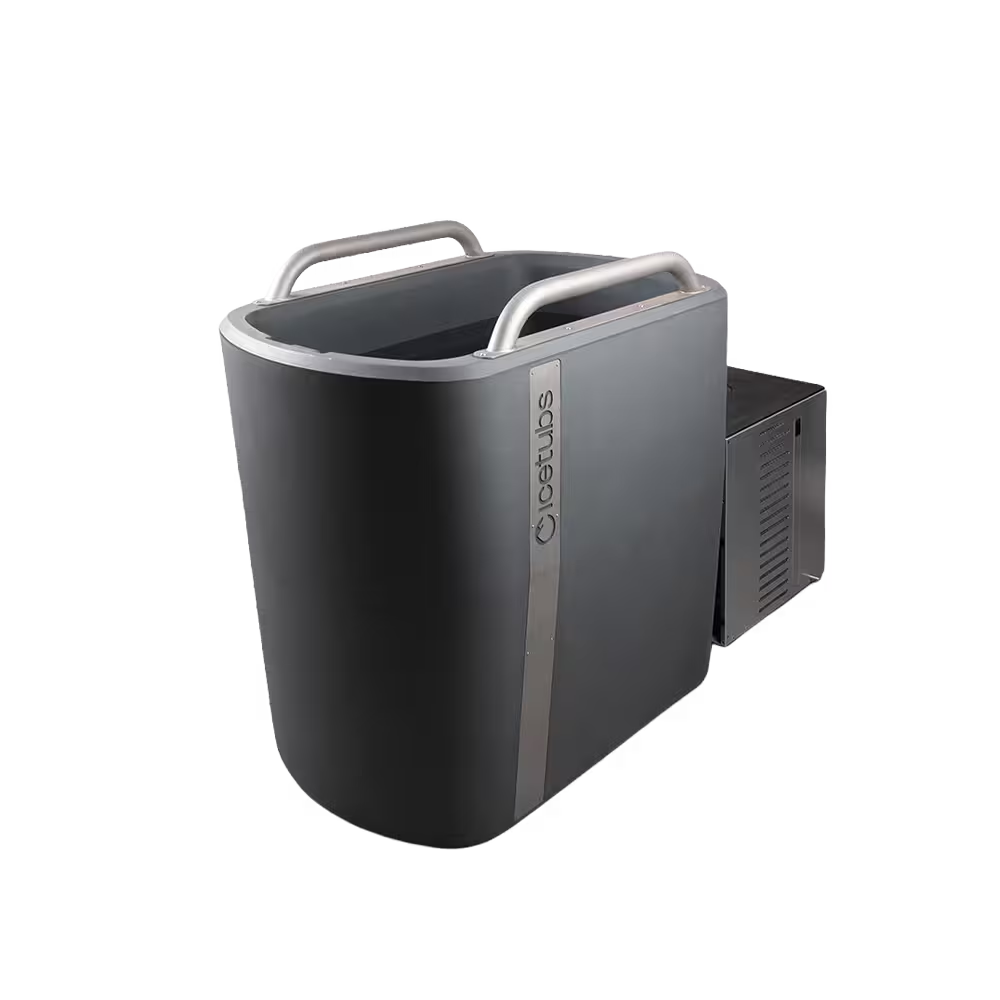
That is what creates the feeling of mental clarity. Icetubs incorporates controlled cold exposure into a repeatable wellness routine, making it possible to reach that focused moment without depending on outdoor water temperatures or manually preparing an ice bath.
There is also a psychological layer to it. You choose to do something uncomfortable. You control your breathing. You stay present. You finish.
That does not make you mentally “tough” overnight. But resilience is built through many small, repeatable experiences — and a cold plunge can be one of them.
What About Anxiety and Depression?
This requires more caution.
There is growing interest in cold-water exposure and mental health, but the evidence is still developing. Studies specifically investigating anxiety and depression remain limited.
So cold exposure should be viewed as a complementary wellness practice — not a treatment for a mental health condition. If you are experiencing persistent anxiety, depression, or significant psychological distress, professional support remains the priority.
It does not need to stand alone, either. Pair it with breathing exercises, meditation, exercise, time outdoors, or a few quiet minutes afterwards. The goal is a practice that helps you respond more intentionally to stress and discomfort, not another complicated wellness programme.