





In this blogpost:
Cold Plunge for Anxiety and Stress: A Breath-Led Reset
Explore how cold plunging may support stress and anxiety relief through breathing, focus, body awareness, routine, and safer emotional regulation daily.
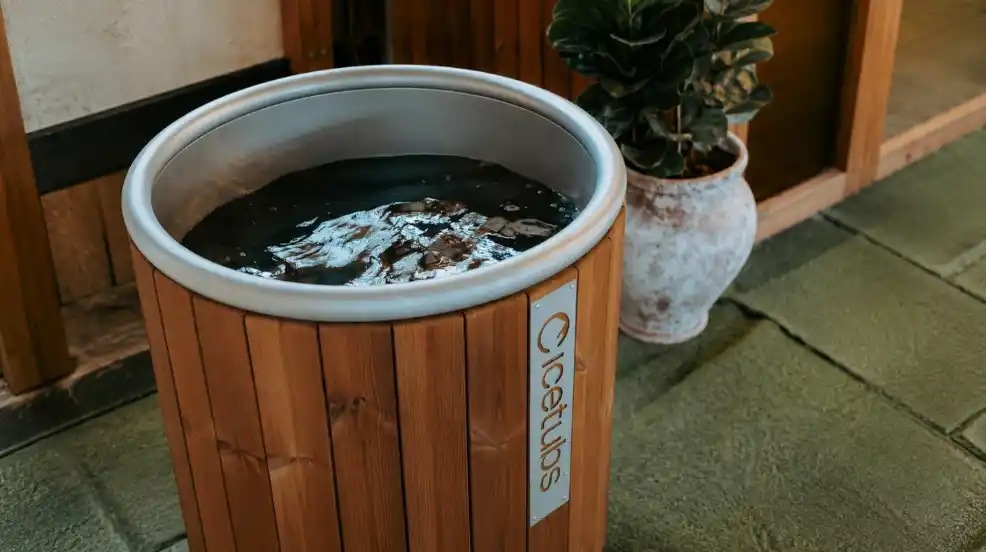
Cold water brings you into the present quickly.
The body reacts.
The breath changes.
The mind becomes alert.
For some people, that intensity can become a reset. A moment where everything narrows into one simple task: breathe through the cold and stay present.
This is why cold plunging is often discussed in relation to stress and anxiety.
But it should be approached carefully.
Cold water is not a cure for anxiety. It is not a replacement for therapy, medication, or professional support. It can, however, become one supportive ritual inside a wider mental wellbeing routine.
The Cold Gives the Mind One Focus
Stress often scatters attention.
The mind jumps between worries, tasks, unfinished conversations, and what might happen next. Cold water changes that.
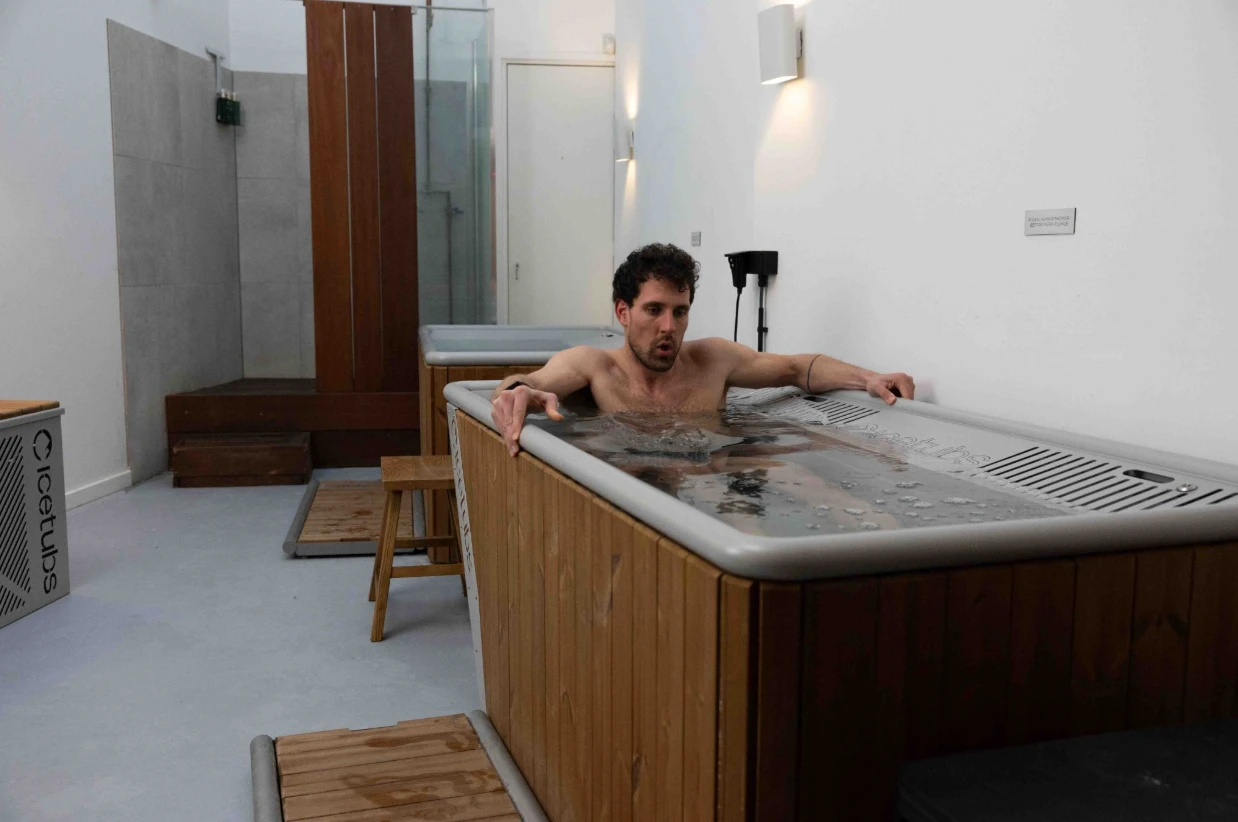
When you enter the plunge, the body gives you one clear signal. It is cold. The breath wants to rush. The mind wants to react.
Then you practise slowing down.
This moment can be powerful because it gives you a direct way to work with discomfort.
Breath Becomes the Bridge
The breath is central to the experience.
When cold water hits, you may want to gasp. Instead, you bring attention to the exhale. You let the breath become slower. You give the body a reason to settle.
This does not remove stress from your life. But it can teach a pattern: notice the reaction, breathe, and respond with more control.
That pattern can feel useful beyond the tub.
Keep the Routine Gentle
If you are using cold plunging for stress or anxiety, do not turn it into another pressure.
You do not need the coldest water. You do not need long sessions. You do not need to force yourself on a day when your body feels overwhelmed.
Start gently.
A short, controlled plunge may be enough. You should leave feeling clearer or steadier, not panicked or depleted.
Use It as a Ritual, Not a Test
The setup matters.
Prepare the towel. Clear the space. Decide your session length. Take a few calm breaths before entering. Step in slowly. Keep your focus on the exhale.
Icetubs frames cold exposure as part of a wider wellness routine, which fits well here: the plunge is not just a physical challenge, but a ritual that can support breath, attention, and daily reset.
That softer approach matters when the goal is mental balance.
Notice Your Emotional Response
Cold plunging may feel different from day to day.
Some sessions may feel empowering. Others may feel too intense. Stress, poor sleep, hormones, training load, and life pressure can all change how you respond.
Pay attention after the session.
Did you feel calmer? More awake? More anxious? Proud? Overstimulated?
This feedback is useful. It tells you whether the routine is helping or whether it needs to be adjusted.
Know When to Pause
Cold exposure is a stressor.
If anxiety feels high, if you are prone to panic, or if cold water makes you feel unsafe, start very gently or speak with a healthcare professional before continuing.
You can also use gentler tools: slow breathing, walking, meditation, stretching, or a cool shower.
The goal is not to force the cold. The goal is to support your nervous system.
Let the Practice Stay Human
Cold plunging for stress relief works best when it feels like care, not punishment.
Enter slowly. Breathe with attention. Keep the session short. Warm up calmly. Let the body settle before moving on.
The water may be cold, but the ritual should feel supportive.
To see how stress relief fits alongside recovery, beginners, athletes, and life-stage routines, explore Cold Plunge for Everyone: Who Benefits & How.