





In this blogpost:
Best Containers for a DIY Ice Bath: What to Choose Before You Build
Compare the best containers for a DIY ice bath, from bathtubs and stock tanks to plastic tubs and chest freezers, with comfort and safety tips.
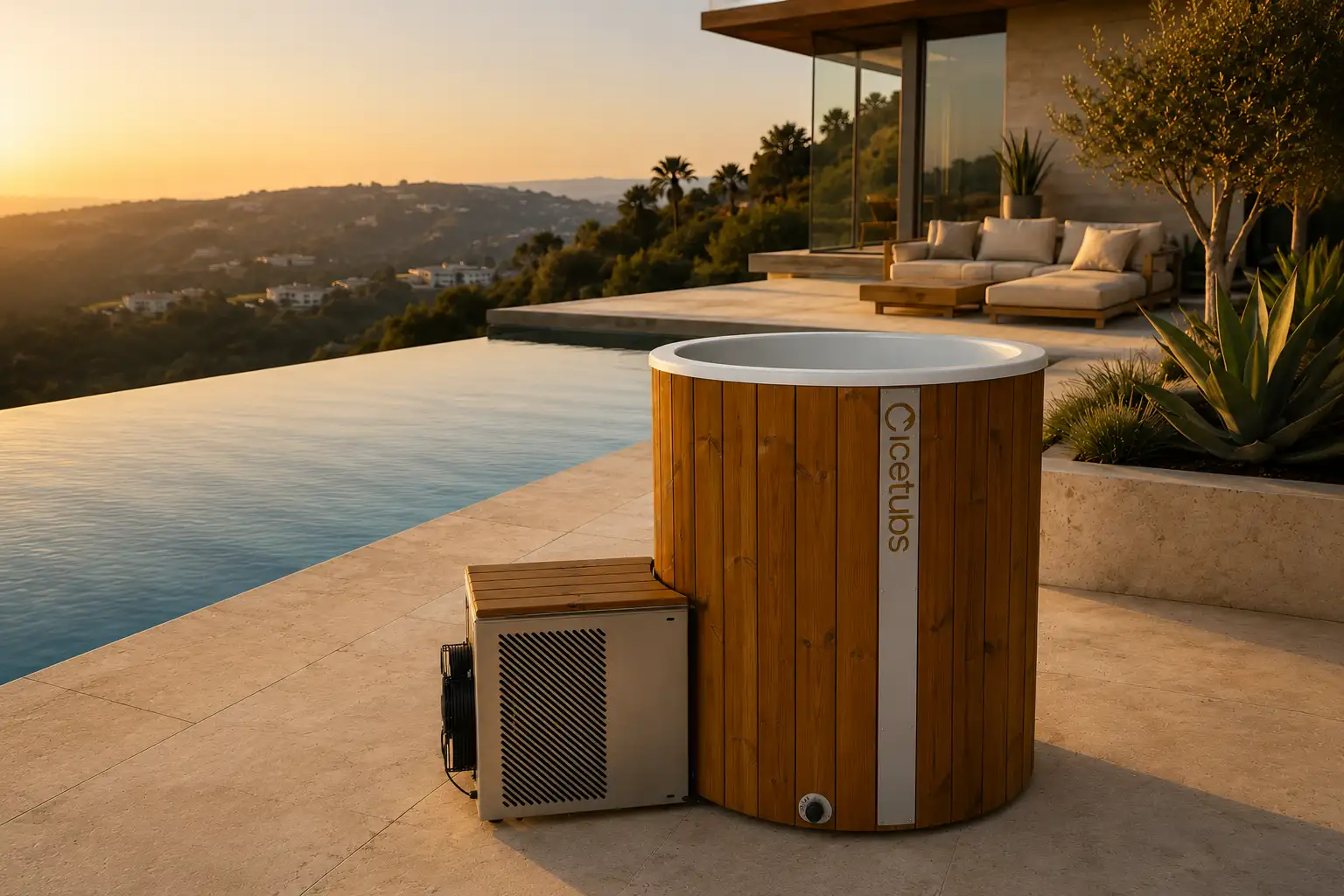
The container is the heart of a DIY ice bath.
It decides how much water you need, how easy the setup is to use, how comfortable the plunge feels, and how much maintenance you will have to manage.
There is no perfect container for everyone.
A beginner testing cold exposure may need something simple. Someone building an outdoor routine may want something more durable. Someone trying to reduce ice use may think about insulation or a chest freezer conversion.
The best choice depends on your space, budget, safety needs, and how often you plan to plunge.
Bathtub
A bathtub is the easiest place to begin.
You already have water access, drainage, and a stable place to sit. You can add cold water, ice, measure the temperature, and try a short session without buying much equipment.
The downside is temperature control.
A bathtub may warm quickly, especially in a warm home. It also may not feel deep enough for full immersion, depending on your body and tub size.
Still, for a first experience, it is hard to beat.
Heavy-Duty Plastic Tub
A plastic tub can be affordable and portable.
It may work well if you want a simple backyard, garage, or bathroom setup. Look for thick walls, strong handles, and a shape that allows you to sit without forcing your knees or hips into an uncomfortable position.
Avoid thin storage bins that flex too much when full.
Water is heavy. A container that feels sturdy when empty may not stay stable once filled.
Stock Tank
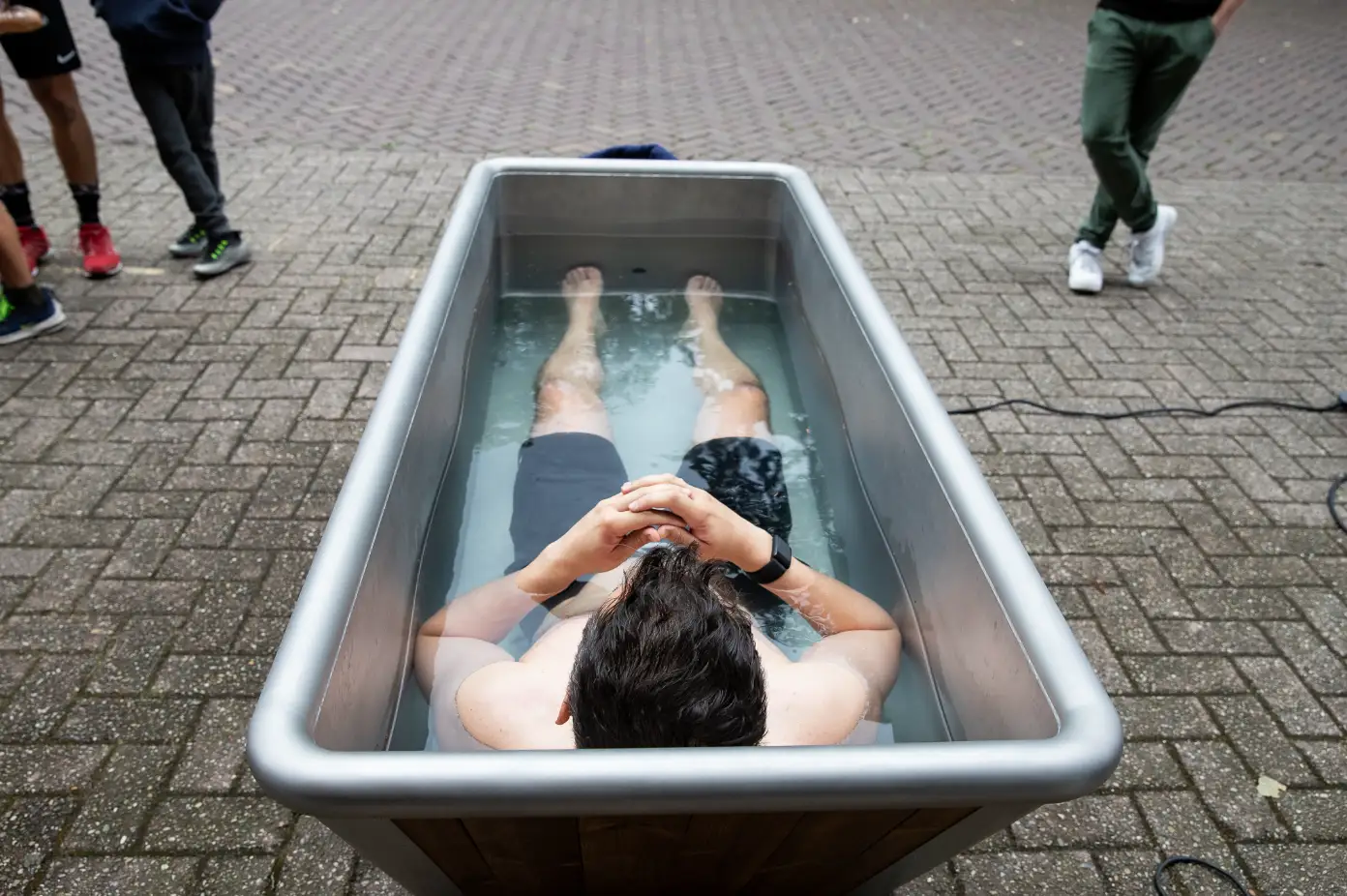
A stock tank is one of the most popular DIY choices.
It is durable, spacious, and often easier to place outdoors. It can create a more permanent feeling without becoming as complicated as a chest freezer conversion.
The trade-off is weight and drainage.
Once full, a stock tank is difficult to move. You need a strong surface, a clear drain plan, and a cover to keep leaves and debris out.
For regular outdoor use, it can be a practical middle-ground option.
Portable Ice Bath Tub
A portable tub is designed for easier setup and storage.
It may be useful if you do not have much space or want something you can move. Many portable tubs are also more comfortable than random containers because they are shaped for seated immersion.
But not all portable tubs are equally stable or insulated.
Check the material, structure, and drainage before buying. A cheaper portable tub may save money upfront but feel less durable over time.
Chest Freezer
A chest freezer conversion is one of the most advanced DIY options.
It can hold cold temperature well, but it also brings serious considerations: waterproofing, electrical safety, drainage, cleaning, and safe entry.
A chest freezer was not originally made as a plunge tub, so the build requires more planning than simply filling it with water.
This option is better for confident DIY builders, not casual beginners.
What Makes a Good Container?
A good DIY ice bath container should be:
• Stable when full
• Deep enough for useful immersion
• Easy to enter and exit
• Strong enough to hold water safely
• Practical to drain
• Easy to clean
• Suitable for the space around it
Comfort also matters. If the container makes your body feel awkward before the cold even begins, the routine may be harder to repeat.
Choose for the Habit
The best container is the one that helps you use the practice consistently.
A bathtub may be enough for testing. A stock tank may work for outdoor use. A portable tub may suit small spaces. A chest freezer may appeal if you want a more advanced project.
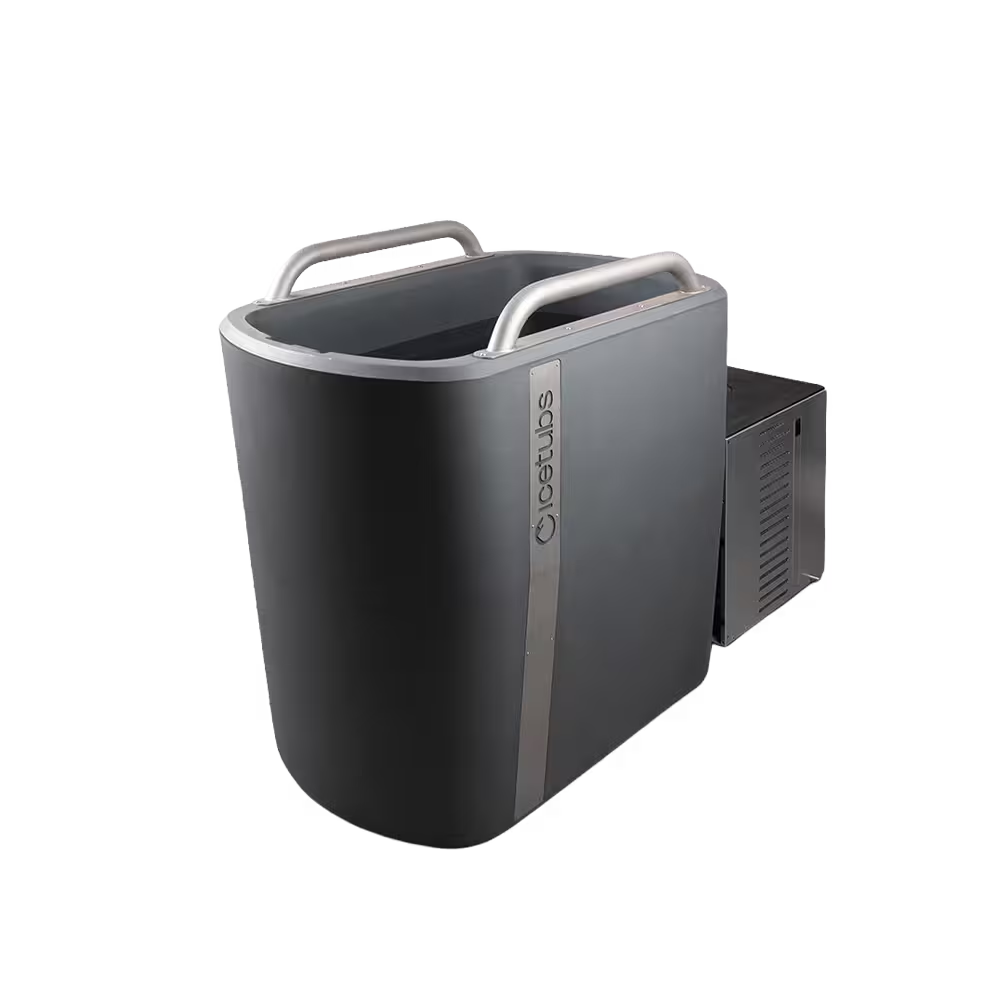
If your DIY setup starts to feel like too much effort, that is a useful signal. At that point, moving to a dedicated Icetubs system can reduce manual setup and make the routine easier to maintain.
For a full build plan beyond container choice, explore How to Build a DIY Cold Plunge: Complete Guide.