






In this blogpost:
Who Should Avoid Cold Plunging or Ask a Doctor First?
Learn who should avoid cold plunging or ask a doctor first, including people with heart, blood pressure, pregnancy, or circulation concerns.

Cold plunging can become a calm and steady ritual.
But it is not the right practice for every body.
The cold creates a strong response. Breathing changes. Blood vessels narrow. The heart may work harder. For many healthy adults, this can be manageable when the practice is gradual and controlled. For others, the same response may create unnecessary risk.
That is why safety begins before entering the water.
It begins with knowing whether cold exposure is appropriate for your health, your condition, and your current state.
People with Heart Conditions
Cold water affects the cardiovascular system quickly.
The first moments of immersion can raise heart rate and blood pressure. The body moves into a more alert state, and the heart has to respond.
People with heart disease, arrhythmia, chest pain, previous cardiac events, or other heart-related concerns should speak with a healthcare professional before trying cold plunging.
This does not mean every person with a heart history must avoid cold exposure forever. It means the decision should be personal, medical, and guided by someone who understands your health.
People with High Blood Pressure
Cold water can make blood vessels narrow. This may increase the pressure placed on the cardiovascular system, especially during sudden exposure.
Anyone with uncontrolled high blood pressure should be careful. If blood pressure is being treated or monitored, it is still worth asking a doctor before starting.
A cold plunge may look simple from the outside. But inside the body, it can create a strong response within seconds.
People with Circulation Disorders
Cold exposure can be difficult for people with circulation problems.
Conditions that affect blood flow may make the hands, feet, fingers, or toes react more strongly to cold. Numbness, pain, colour changes, or lingering discomfort should not be ignored.
Raynaud’s syndrome is one example where cold may trigger symptoms in the extremities. If you have a circulation condition, cold plunging should only be considered with medical advice.
The goal is not to push through warning signs. The goal is to understand them.
Pregnant People
Pregnancy changes circulation, temperature regulation, breathing, and cardiovascular load.
Because cold plunging can affect all of these systems, pregnant people should speak with a doctor or midwife before trying or continuing cold immersion.
This is one area where general advice is not enough. Every pregnancy is different. If there is any uncertainty, choose a gentler wellness practice until you have medical guidance.
People with Cold-Triggered Conditions
Some bodies react strongly to cold.
Cold urticaria, for example, can cause skin reactions after cold exposure. Other health concerns, including certain blood pressure, heart rhythm, or temperature-regulation issues, may also make cold plunging unsuitable.
If cold has caused severe skin reactions, faintness, breathing difficulty, or unusual symptoms before, do not treat those signs casually.
The body may already be telling you that this practice needs caution.
When You Are Unwell or Exhausted
Even healthy people should skip cold plunging on certain days.
Avoid cold exposure if you are feverish, dizzy, dehydrated, unusually fatigued, or recovering from illness. Also avoid cold plunging after alcohol or when you feel physically unstable.
Cold is a stressor. It can be useful when the body is ready, but it may be too much when the body is already under strain.
Controlled Does Not Mean Risk-Free
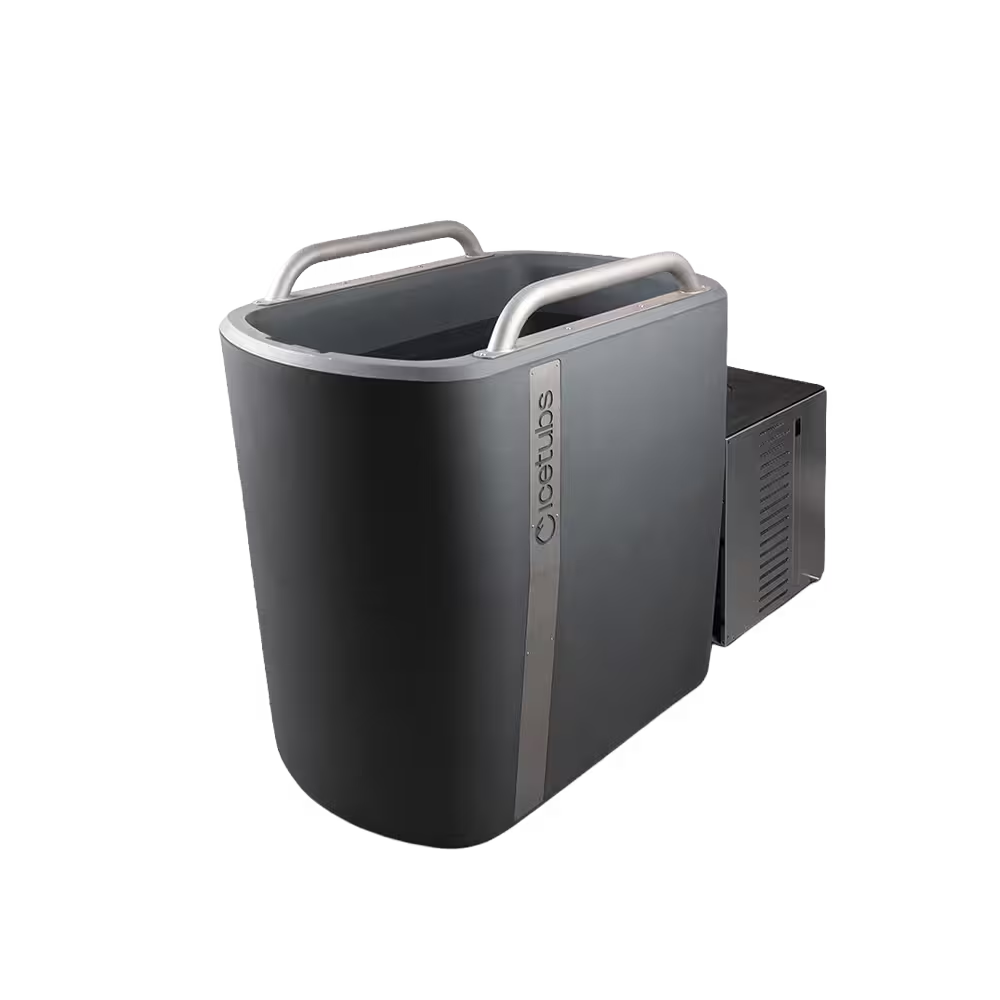
A controlled setup can make cold plunging easier to manage. For example, Icetubs systems allow users to choose and maintain a set temperature instead of relying on unpredictable ice-based cooling.
But control does not remove the need for personal judgement.
If your health history makes cold exposure risky, the safest step is medical guidance first.
Choose Safety Before Routine
Cold plunging should never feel like something you must do at any cost.
If you have a heart condition, high blood pressure, circulation issues, pregnancy concerns, cold-triggered reactions, or a history of fainting, ask a healthcare professional before starting.
The safest cold plunge routine begins before the water.
It begins with knowing whether the practice is right for you.
For the full safety framework, continue with Cold Plunge Safety: Complete Guide to Risks & Best Practices.