





In this blogpost:
Cold Plunge & Meditation: Mind-Body Routine
Learn how to combine cold plunging and meditation with breathwork, presence, body awareness, and a simple mind-body routine for calmer recovery.
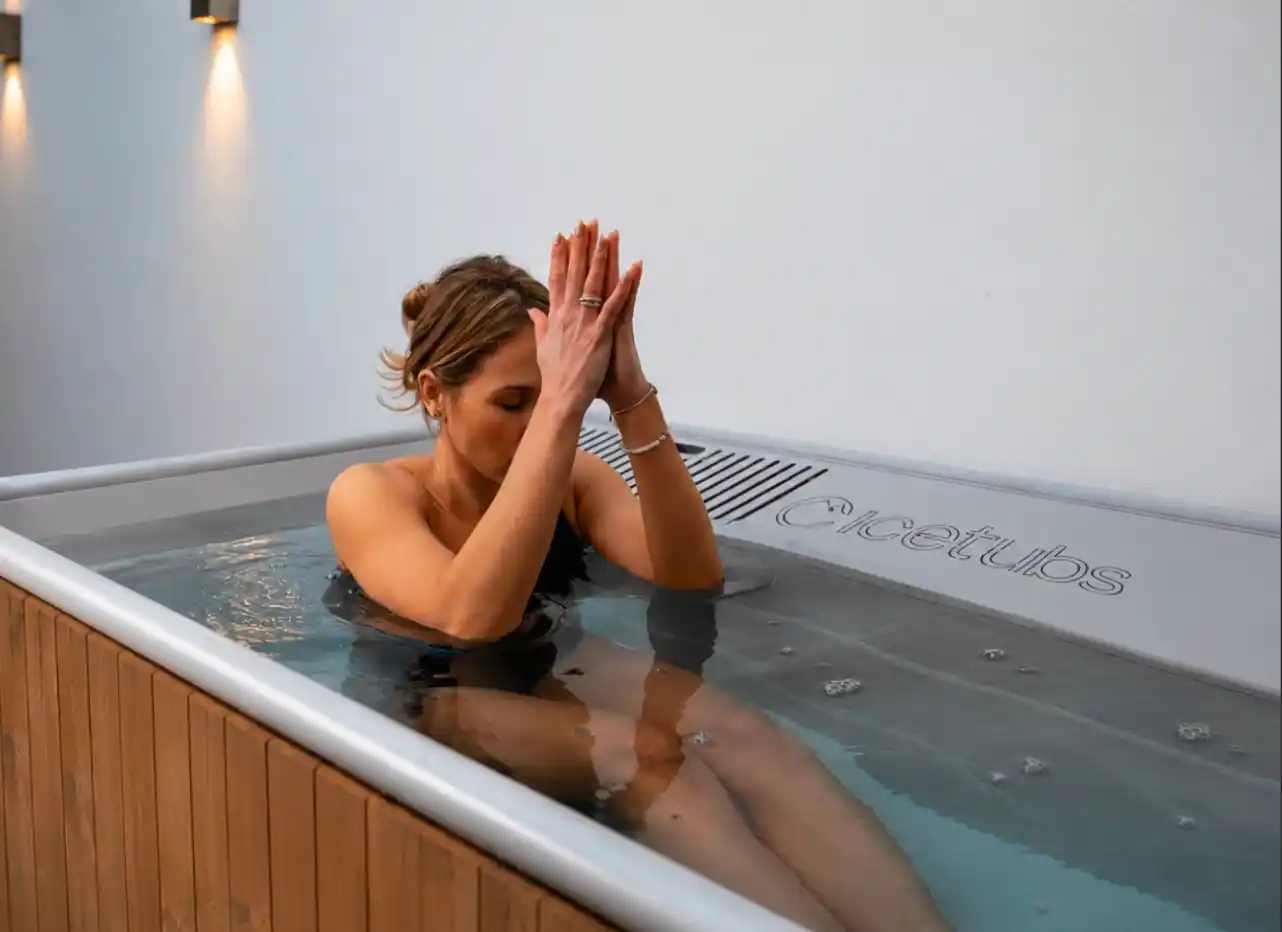
Cold water brings you into the present quickly.
There is very little room for distraction when the body meets the cold. The breath changes. The mind reacts. The senses become sharp.
This is why cold plunging and meditation can work well together.
Meditation brings attention inward. Cold water makes that attention immediate. Together, they create a simple mind-body routine built around presence, breath, and awareness.
Begin Before the Water
The meditation does not have to begin inside the tub.
Start before you enter.
Stand or sit quietly. Feel your feet on the floor. Notice the breath. Let the shoulders soften. Allow the body to arrive before the cold begins.
This short pause changes the tone of the session. Instead of rushing into the water, you enter with intention.
Even thirty seconds of stillness can make the plunge feel more grounded.
Use the Breath as the Anchor
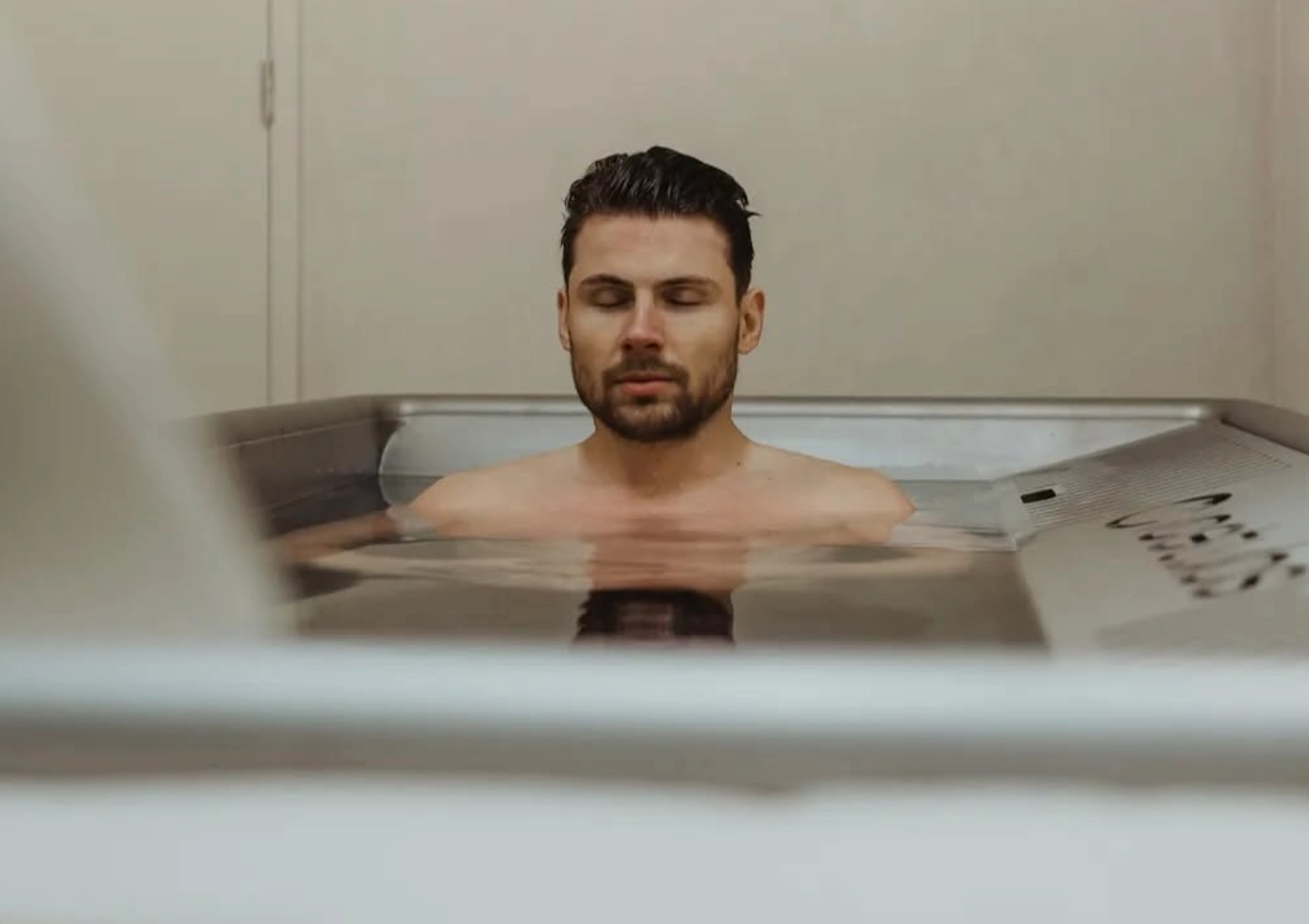
Inside the cold, the breath becomes the main point of focus.
At first, the body may want to gasp or tense. Rather than fighting the reaction, notice it. Then return to the exhale.
Inhale gently.
Exhale slowly.
Relax the face.
Relax the hands.
This is meditation in motion. The cold creates sensation. The breath gives you somewhere steady to return.
Notice Without Judging
Meditation is not about making the cold feel easy.
It is about observing what happens.
You may notice resistance. You may notice thoughts like “I want to get out.” You may notice tightness in the chest or shoulders. You may also notice moments of calm.
Try not to judge any of it.
The practice is to watch the reaction without immediately following it. This can make the cold plunge feel less like a battle and more like a conversation with the body.
Keep the Routine Short
A cold plunge meditation does not need to be long.
For many people, a short session with full attention is more useful than a longer session done with tension. Start with a time that feels safe and manageable.
The aim is not to disappear into stillness. The aim is to stay aware while the cold is present.
A calm one-minute plunge can be more meaningful than a forced session that leaves you overwhelmed.
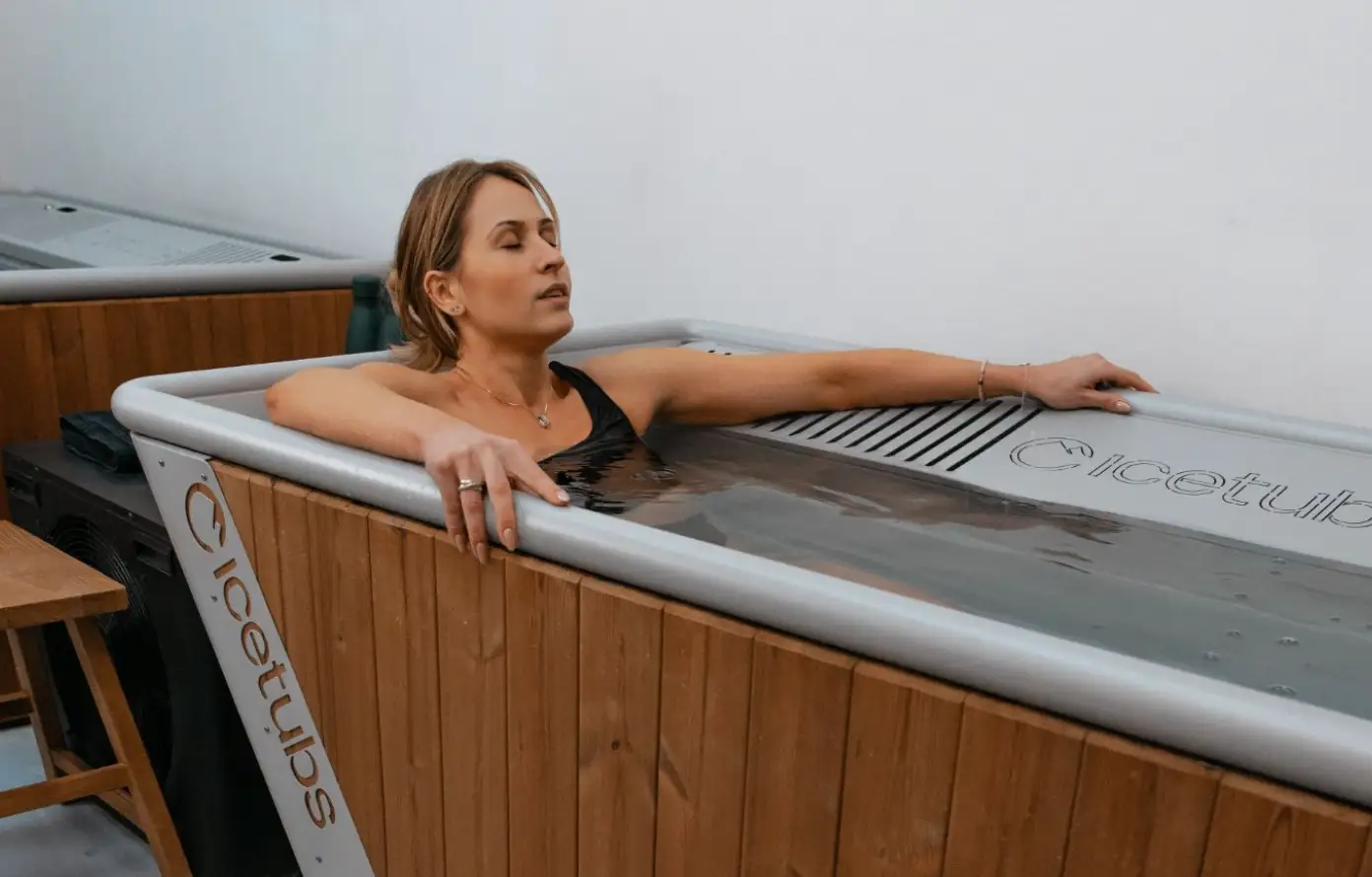
Choose a Position That Supports Calm
The body position matters.
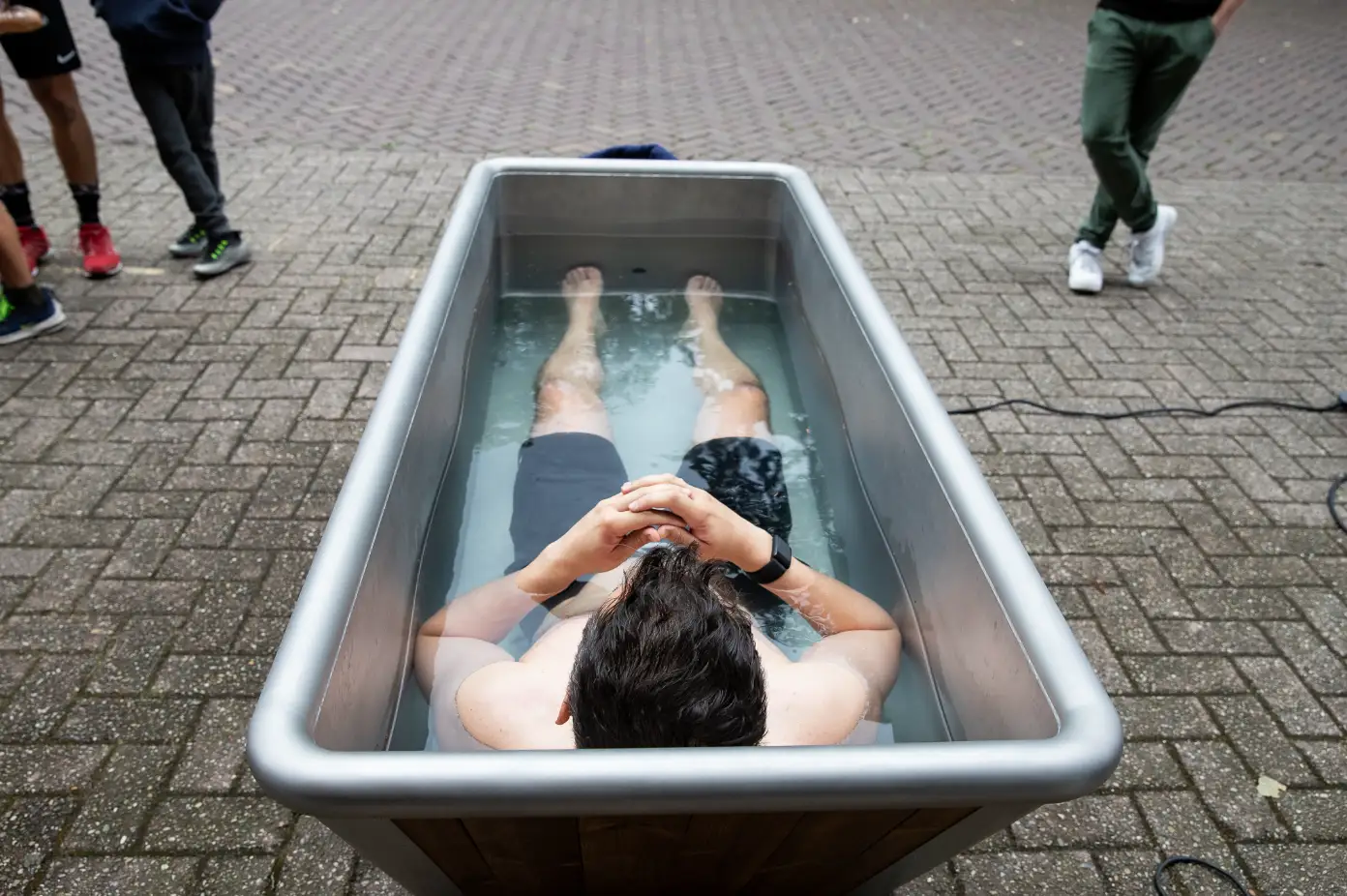
If you are cramped, unstable, or uncomfortable, it becomes harder to stay present. Choose a tub setup that allows you to sit or recline safely and breathe without strain.
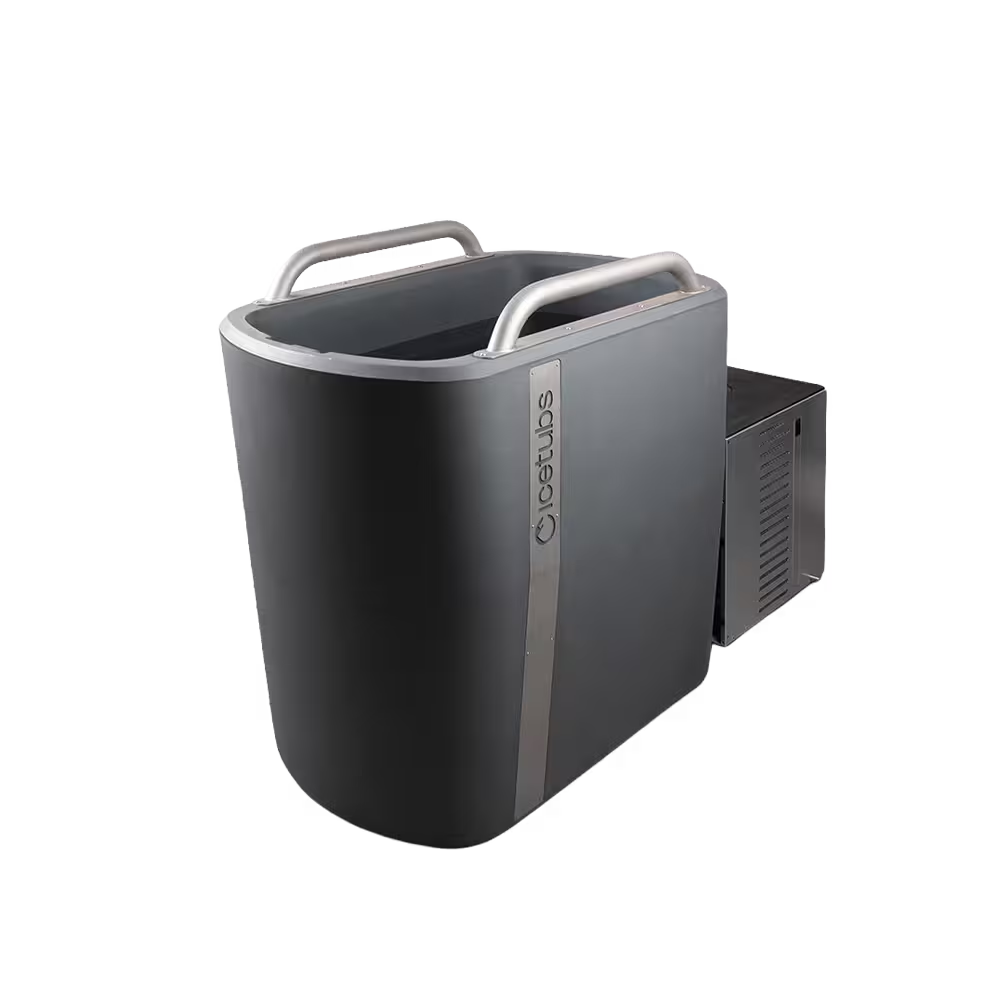
The IceKube is designed with an upright seating position for full neck-to-shoulder immersion, which can support users who prefer a compact, seated cold plunge experience.
Whatever setup you use, the body should feel supported enough for the mind to focus.
Close the Practice Slowly
The moment after the plunge matters too.
Step out calmly. Dry off. Put on warm clothes. Stand or sit quietly for a moment before reaching for your phone or moving into the next task.
Notice the body warming. Notice the breath returning. Notice the mental space after the cold.
This closing moment helps the practice feel complete.
Let Cold Become a Meditation Tool
Cold plunging and meditation work together because both ask for presence.
You do not need a complex method. You need a pause, a breath, a short plunge, and a calm return.
Over time, the water becomes more than cold. It becomes a place to practise attention.
For more ways to combine cold exposure with daily routines, continue with Cold Plunge Methods & Routines: Complete Practice Guide.